EMA charts path to 3GWp solar by 2030
The new solar sites will include canopies, and overhangs.
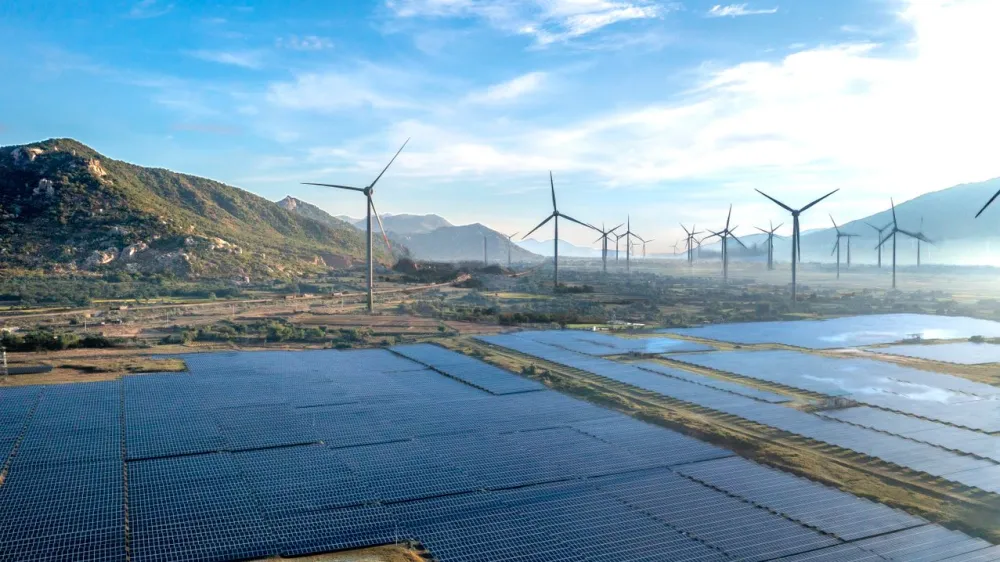
The Energy Market Authority (EMA) identified new areas for solar deployment, including overhang structures for shelters and canopies in open-air car parks, alongside continued expansion on rooftops, land, and water surfaces.
The strategy aims to increase domestic renewable energy production to meet 10% of projected 2050 energy demand, following the 3 gigawatt-peak (GWp) solar deployment target for 2030.
Government-led initiatives remain key, with the SolarNova programme—managed by the Housing & Development Board (HDB)—installing panels on 5,300 blocks, covering half of the HDB estate.
JTC has deployed 875 MWp across industrial estates, including a 118 MWp ground-mounted system on Jurong Island as of early 2025.
Economic factors are encouraging private sector participation, as falling solar panel costs have shortened residential payback periods to five to seven years, EMA said.
Rooftop installations account for more than 80% of current capacity, with installation costs ranging from $1,000 per kWp for 1,000 kWp industrial systems to $1,600 per kWp for 10 kWp residential systems. Annual maintenance costs represent 1% to 2% of total system cost.
Five deployment models are in use: direct ownership, solar leasing, rooftop leasing, rent-to-own, and offsite Power Purchase Agreements.
Project owners can generate revenue through Renewable Energy Certificates, which represent the environmental benefits of solar generation and are sold to organisations to offset carbon footprints.
Registration occurs through installers or third-party platforms, EMA said.


















 Read Here
 Advertise
 Sign Up