India
Indian nuclear law seen to deter progress
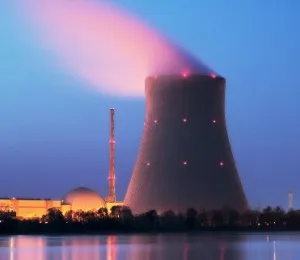
Indian nuclear law seen to deter progress
India’s nuclear liability law threatens India's plans to add 40,000 MW nuclear power plants by 2032.
Greenko readies wind projects in India

Greenko will start of its implementing its wind energy development in India.
Tata chalks out energy efficiency program
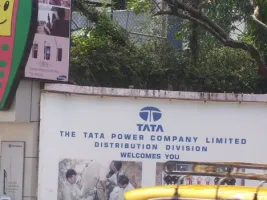
Tata Power has initiated “5 POINT” program under “Demand Side Management” for energy conservation. It is also in the process of recommending two additional programs for MERC approval in the coming days. Tata Power strongly believes that each category of consumers have a unique power consumption pattern and if these patterns are studied in detail and interventions initiated accordingly, they will throw up several opportunities to save energy. The Tata Power DSM programs have been planned with the objective of helping consumers save energy without compromising on their comfort. These DSM programs have been based on extensive load research, understanding the consumer load curve, time of use, ownership of electrical goods, load profile and affordability of energy efficient products.
ADB extends $100M for India-Bangladesh interconnection
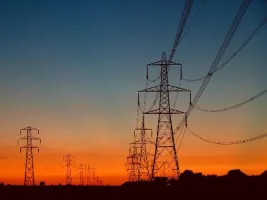
The funds will be used to build a 40-kilometer 400-kilovolt transmission line, along with a high voltage direct current substation and connecting loop, linking the western electrical grid of Bangladesh with India’s eastern grid. Around 500 megawatts of power are expected to flow into Bangladesh by 2012 as a result of the project, with the possibility of more in the future.
Bangladesh boosts rural electrification
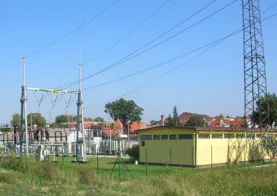
PGCB boosted its rural power supply with its Niamatpur 132/33 KV Grid Substation and Nawgoan-Niamatpur 132 KV Transmission line.
CLP now India’s largest wind developer
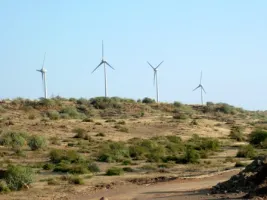
CLP India will develop a 39.6 MW wind farm at Harapanahalli in the Davanagere district of Karnataka.
ABB inaugurates wind generator factory in India
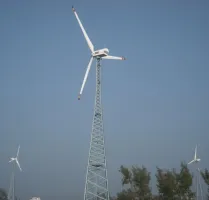
ABB inaugurated its fourth global wind power generator factory in Vadodara, India. The factory will supply wind power generators, a crucial component in wind turbines, for the growing Indian and global markets.
Incentives proposed for Indian wind sector
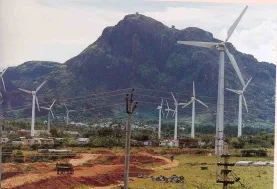
India’s wind farm power could account for 24 per cent of India's total power generation capacity by 2030.
GE Hitachi prepares for Indian nuclear projects
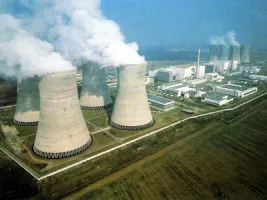
GE Hitachi signed a preliminary agreement with Tata Consulting Engineers in support of its future nuclear projects in India.
Powergrid operators to train at Jamia Millia

Powergrid’s System Operators at its Supervisory Control and Data Acquisition technology will undergo training and certification at Jamia Millia.
India interconnects with Bangladesh

A 400kV D/C line would connect Bahrampur in eastern India to Bheramara in Bangladesh. An HVDC switching station will also be established at Bheramara.
Azure to utilise Suntech solar panels

Suntech will supply Azure Power with several megawatts of solar panels for utility-scale projects across several states in India.
Suzlon gets 37.8 MW Poonawalla deal
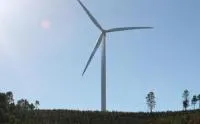
Suzlon will set up, operate and maintain a 37.8 megawatt project at Jaibhim in Dhule-Nandurbar wind park in Maharashtra.
Suzlon wins 19.8 MW Malpani deal

Suzlon won a repeat order from the Malpani Group for two new wind power projects totaling 19.8 MW capacity.
India eyes power from Myanmar
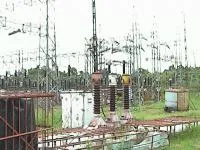
Power Grid Corporation of India is negotiating a transmission project deal with Myanmar to bring about 1,000 MW to India.
Bharat bags $567M Dainik contract

Bharat Heavy Electricals Limited secured a contract for setting up a 1,200 MW thermal power plant in Chhattisgarh.
Tata utilises ABB switchgear for Mumbai substations
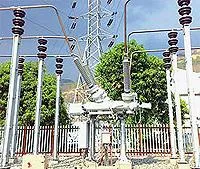
ABB’s hybrid switchgear technology enabled Tata Power to increase the capacity and reliability of 10 substations in Mumbai.
Thought Leadership Centre



Most Read
1. Annica wins Sarawak solar‑hydrogen project in regional expansion 2. About $165b ASEAN renewable assets face climate risk, Zurich Insurance says 3. Middle East energy disruption spurs Asia coal demand surge, Rystad says 4. SEA green economy to hit $430b by 2030, but grid bottlenecks threaten growth 5. Japan’s US LNG resales equal output of 17 coal plants, report saysResource Center

 Read Here
 Advertise
 Sign Up
Event News

Be amongst the industry leaders recognised for driving innovation and operational rigour across Asia.













Commentary
Malaysia’s energy workforce is upskilling, but to what standard?
Asia’s grid decade: Why transmission will decide the pace of renewable growth