AI integration could save ASEAN power sector $67b by 2035: report
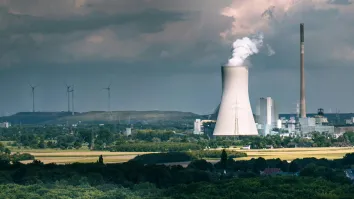
It can also reduce carbon dioxide emissions by 386 million tonnes.
Integrating artificial intelligence (AI) into ASEAN’s power sector could generate up to $67b in cumulative cost savings and reduce carbon dioxide emissions by 386 million tonnes between 2026 and 2035, according to a new report by Ember.
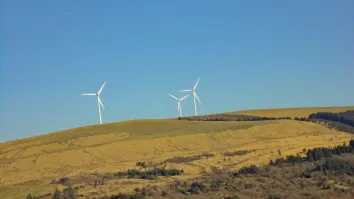
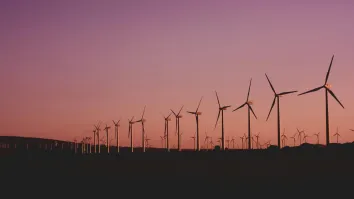
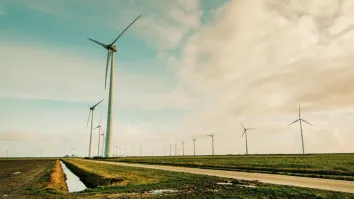
Variable renewable energy (VRE) rose from 2.3% of the region's supply in 2020 to 5% in 2025, and is projected to reach up to 60% by 2045. AI applications—including renewable forecasting, predictive maintenance, and real-time grid control—are cited as essential for managing the resulting grid volatility and congestion.
The highest economic returns are expected in "high-renewable" pathways where optimised dispatch and asset management yield greater efficiency.
Whilst Indonesia, Vietnam, Thailand, Malaysia, and the Philippines currently perform above the global average in AI readiness, the report notes that adoption remains fragmented.
The report also identifies significant technical and governance risks. Because AI models are probabilistic and power grids are deterministic, challenges exist regarding liability and safety-critical validation.
Furthermore, increased digitalisation expands the ‘attack surface’ for cyber threats, necessitating cybersecurity frameworks and human oversight to manage data manipulation risks.









 Read Here
 Advertise
 Sign Up