Aboitiz Power to develop 30 MW hybrid BESS in Cebu
This will be one of the first large-scale BESS in Central Visayas.
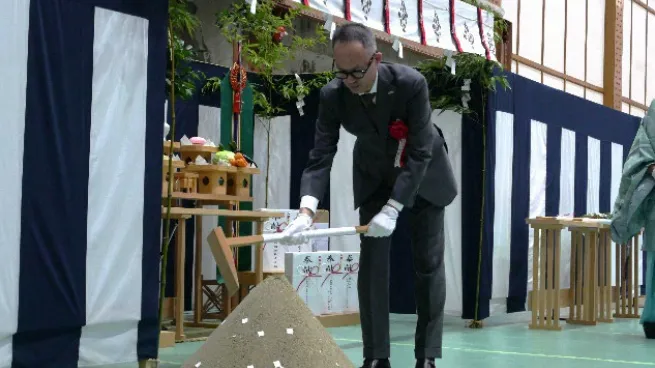
The Philippines’ Aboitiz Power Corporation is set to build a 30 megawatt hybrid battery energy storage system (BESS) project within the Mactan Economic Zone in Lapu-Lapu City, Cebu.
In a statement, Aboitiz Power said the project will be implemented through its Therma Power, Inc.’s wholly-owned subsidiary East Asia Utilities Corporation (EAUC). This is set to be one of the first large-scale energy storage systems in Central Visayas.
The company aims to commission the BESS project by the first half of 2026.
This hybrid BESS was one of the projects approved by the Philippine Economic Zone Authority (PEZA) in January 2025.
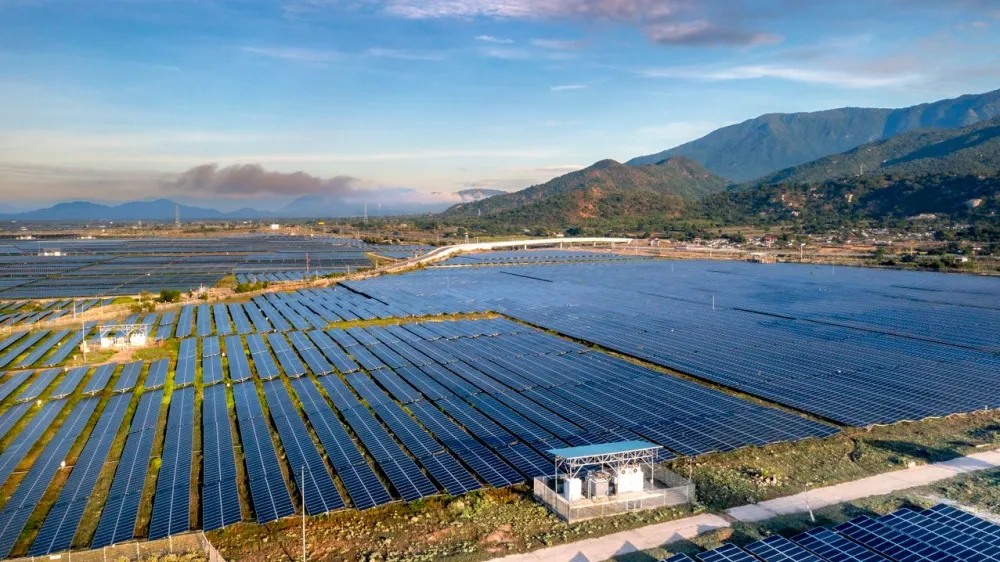
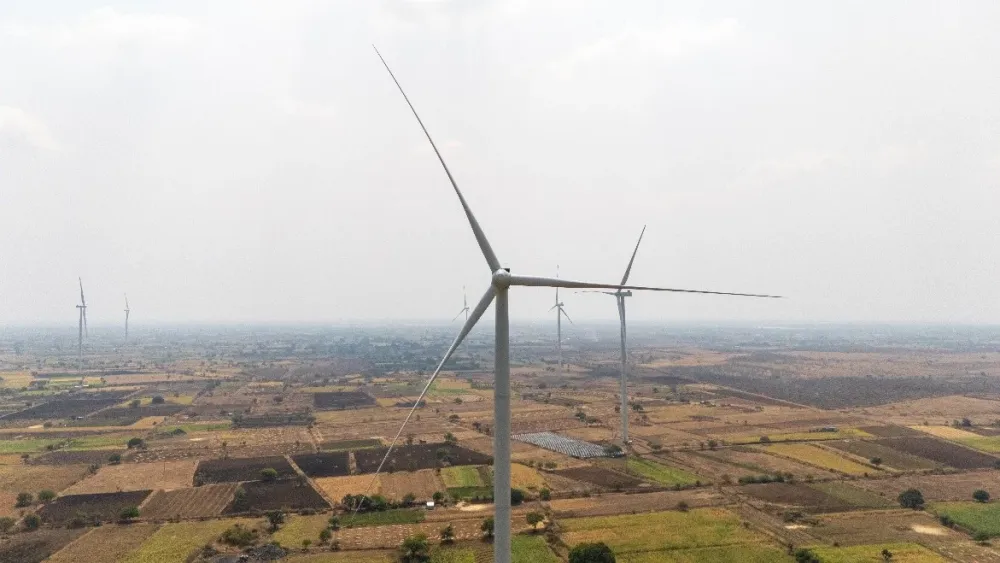
The country’s Department of Energy projects that the share of variable renewable energy, such as solar and wind capacities, will rise to as much as 28% by 2031. This means that energy storage will be critical for managing fluctuations and enabling even higher levels of variable renewable energy integration.









 Read Here
 Advertise
 Sign Up