A cool, sustainable solution to drive Southeast Asia’s sustainable energy future
SP Group aims to address the region’s rising cooling needs with the more energy-efficient district cooling system.
Southeast Asia, like the rest of the world, continues to heat up. Rising in tandem is the high demand for cooling in its major cities and beyond. According to the United Nations, global air-conditioning use is expected to triple by 2050.
Aside from exacerbating the region’s dependence on energy, air-conditioners release heat into the environment to increase temperatures further. This contributes to greater pressure on power grids to remain reliable during peak periods.
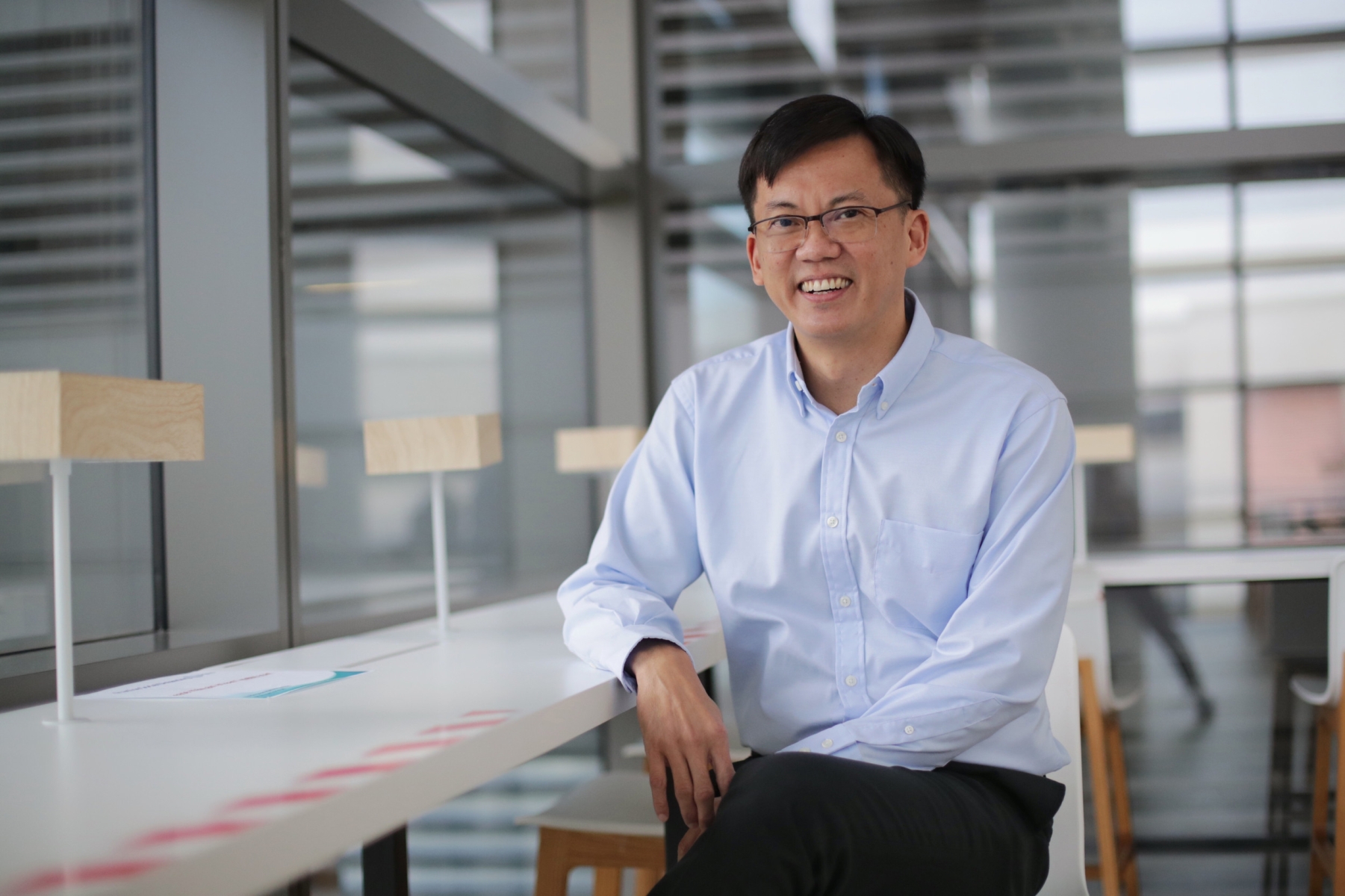
In this interview with Asian Power, Stanley Huang, Group CEO of SP Group, Singapore’s national grid operator and a leading sustainable energy solutions provider in Asia Pacific, noted the need for more efficient and sustainable forms of cooling to meet the growing demand.
When cooling demand tests grid reliability
Think of a giant air-conditioner that can cool an entire district, rather than just individual buildings, in a more energy-efficient way. This is district cooling, a system that centralises chilled water production for cooling before piping the water to multiple buildings for air-conditioning. It can provide a respite, and more.
District cooling is more efficient than conventional chiller systems, which are unlikely to be operating at optimal efficiency at all times as cooling demand of a building fluctuates. Instead, a district cooling system is expected to operate closer to its optimal efficiency level most of the time as it will accurately select the most suitable mix of chillers to meet the aggregated cooling demand of multiple buildings. One example is the world’s largest underground district cooling network at Singapore’s Marina Bay operated by SP Group.
“The network has scaled smoothly over the years to serve more buildings and larger cooling loads without compromising performance. It has become a reliable backbone for Singapore’s downtown core, with zero disruptions since operations began in 2006,” said Huang.
District cooling systems can also incorporate technologies like an ice thermal energy storage system to reduce pressure on power grids during high cooling demand. For instance, during peak periods, the Marina Bay district cooling system melts stored ice to provide cooling. This approach relieves grid stress without compromising cooling comfort.
“The system has more than proven its engineering and operational robustness,” added Huang. “Today, it remains a testbed for innovations in energy-efficient cooling and grid integration in Singapore and across the region.”
This solution comes at a time when national grids are increasingly working overtime to keep us comfortable. The International Energy Agency recorded that about a third of Southeast Asia’s electricity demand growth is attributed to cooling. Space cooling is also the fastest-growing source of energy demand in buildings, increasing by nearly 4% annually to 2035.
A greener way to cool cities, industries
District cooling has the potential to be a mainstay in decarbonising the Asia Pacific’s built environment and meeting organisational or even national net-zero targets.
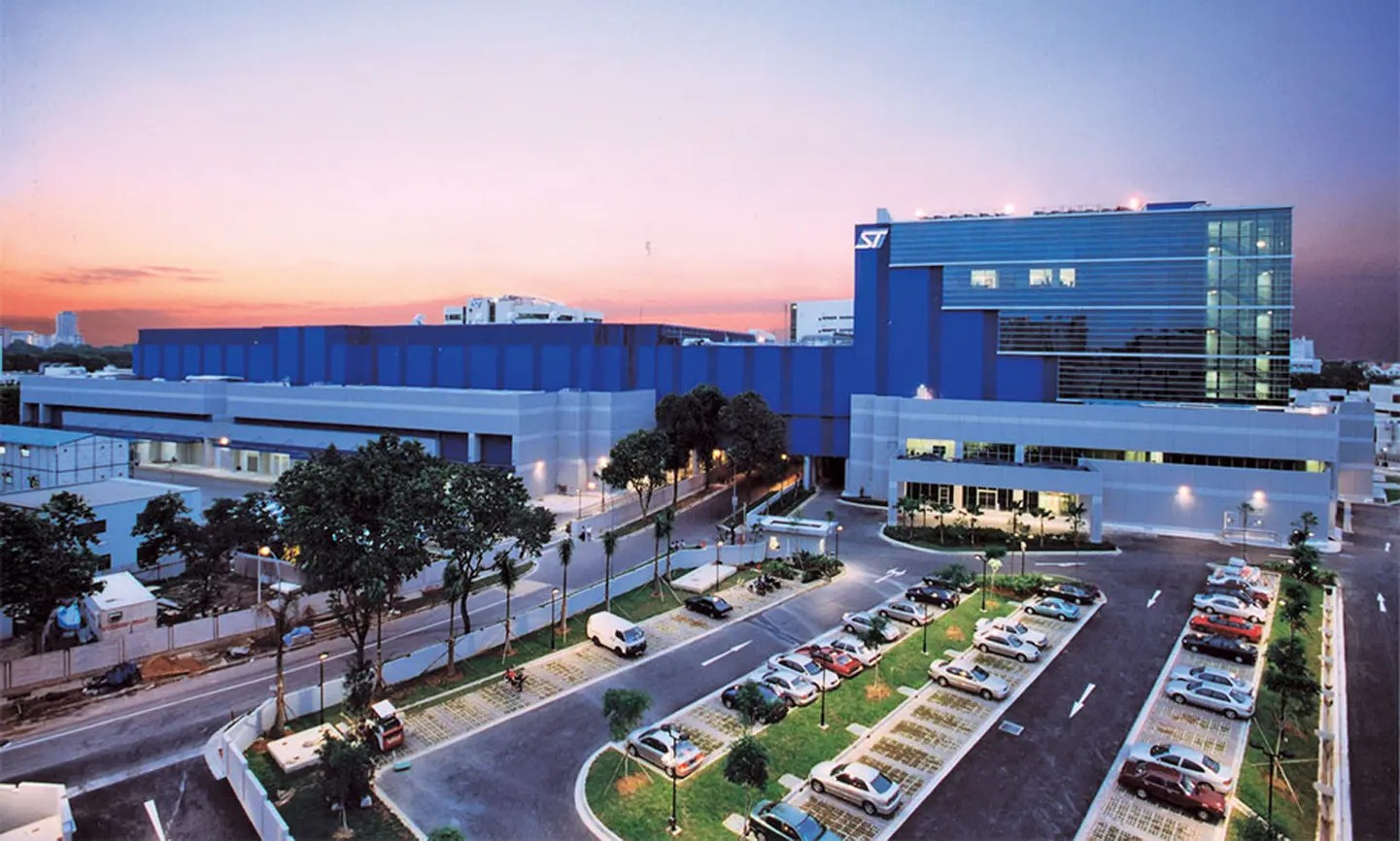
Take the example of Singapore’s largest industrial district cooling plant at global semiconductor firm STMicroelectronics’ (ST) Ang Mo Kio TechnoPark. It is expected to reduce 120,000 tonnes of carbon emissions a year at ST’s single largest wafer-fabrication site by volume – a boost for the company’s commitment to be carbon neutral by 2027.
But for district cooling to enjoy uptake across the region, governments and industries must work together on clear national sustainability strategies to reduce regulatory complexities and encourage investment through green financing models. Moreover, the implementation of urban planning policies that take district cooling into consideration can lead the way for greater adoption.
An example of this is Singapore, which introduced incentives for buildings that join a district cooling network. These buildings can either exclude spaces used by their chiller plants connected to a district cooling system from the development’s gross floor area use or remove their old chillers to repurpose that space for commercial use. Several buildings in Tampines Central, Singapore’s first town centre to be retrofitted with a distributed district cooling network, are already on board.
SP Group’s vision
District cooling was once unheard of in Singapore, and an uncharted territory for SP Group. But 20 years on, it stands as a prime example of Singapore’s ability to innovate and scale sustainable infrastructure.
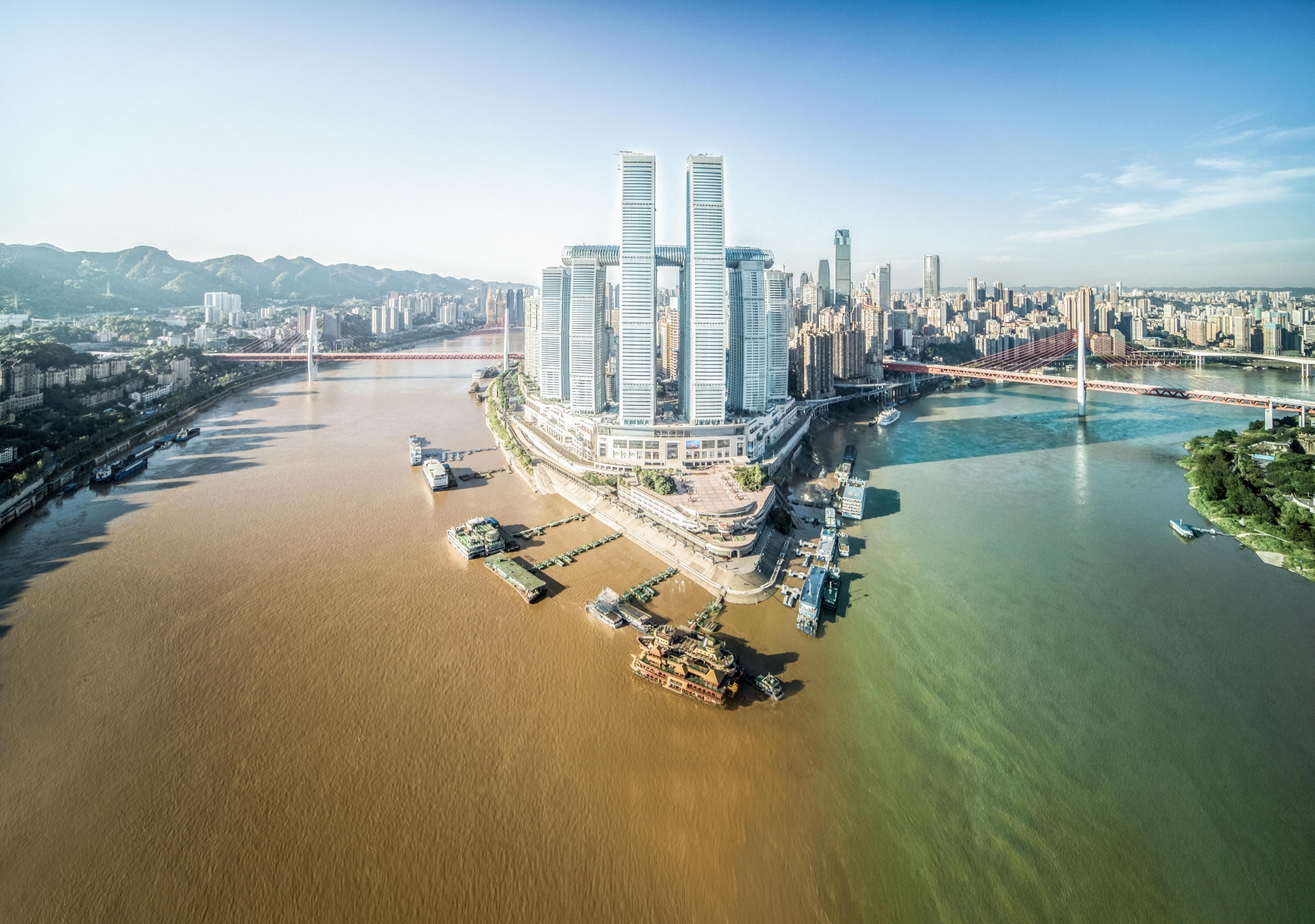
SP Group has taken these learnings beyond Singapore to deploy sustainable cooling solutions in China, Thailand, and Vietnam.
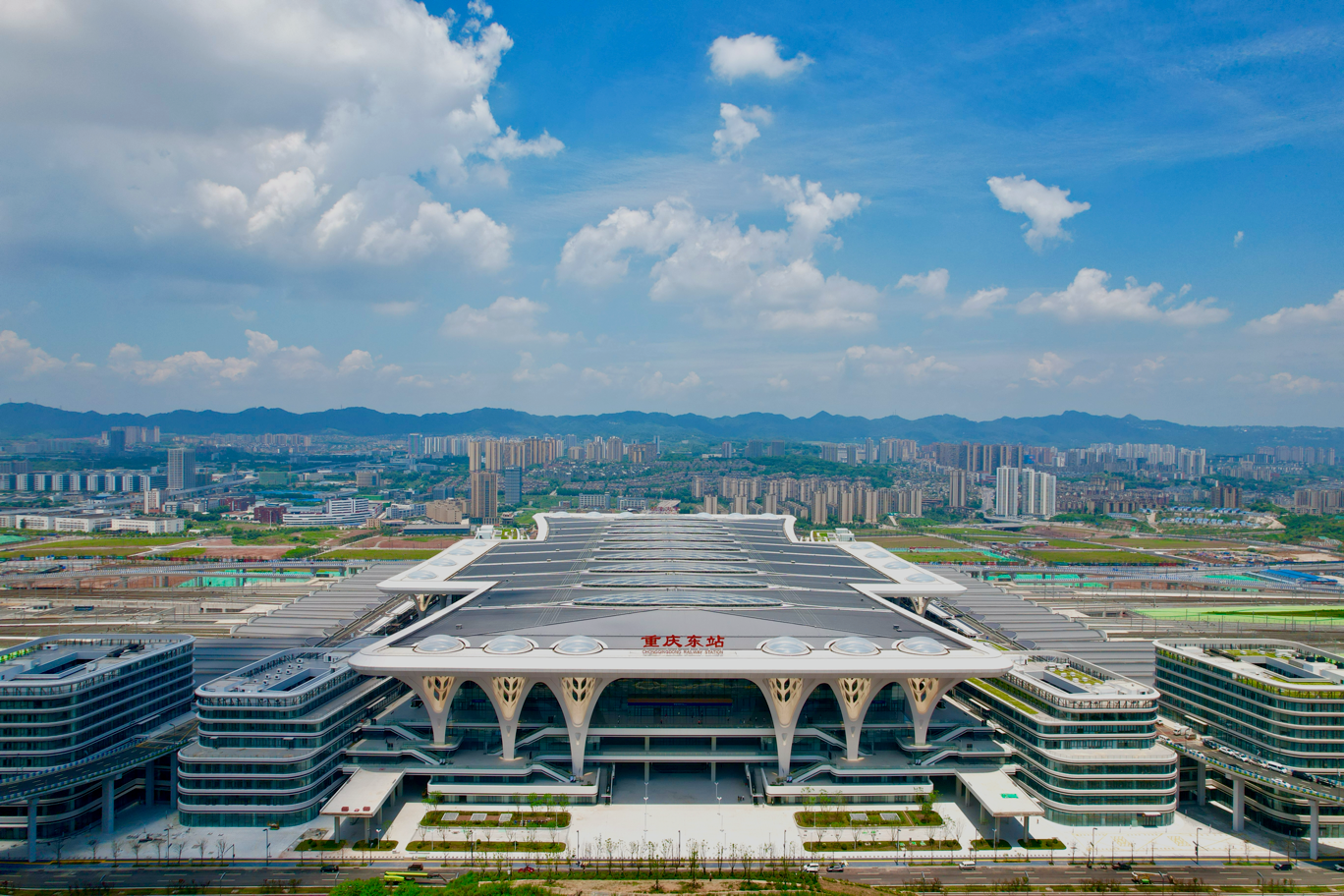
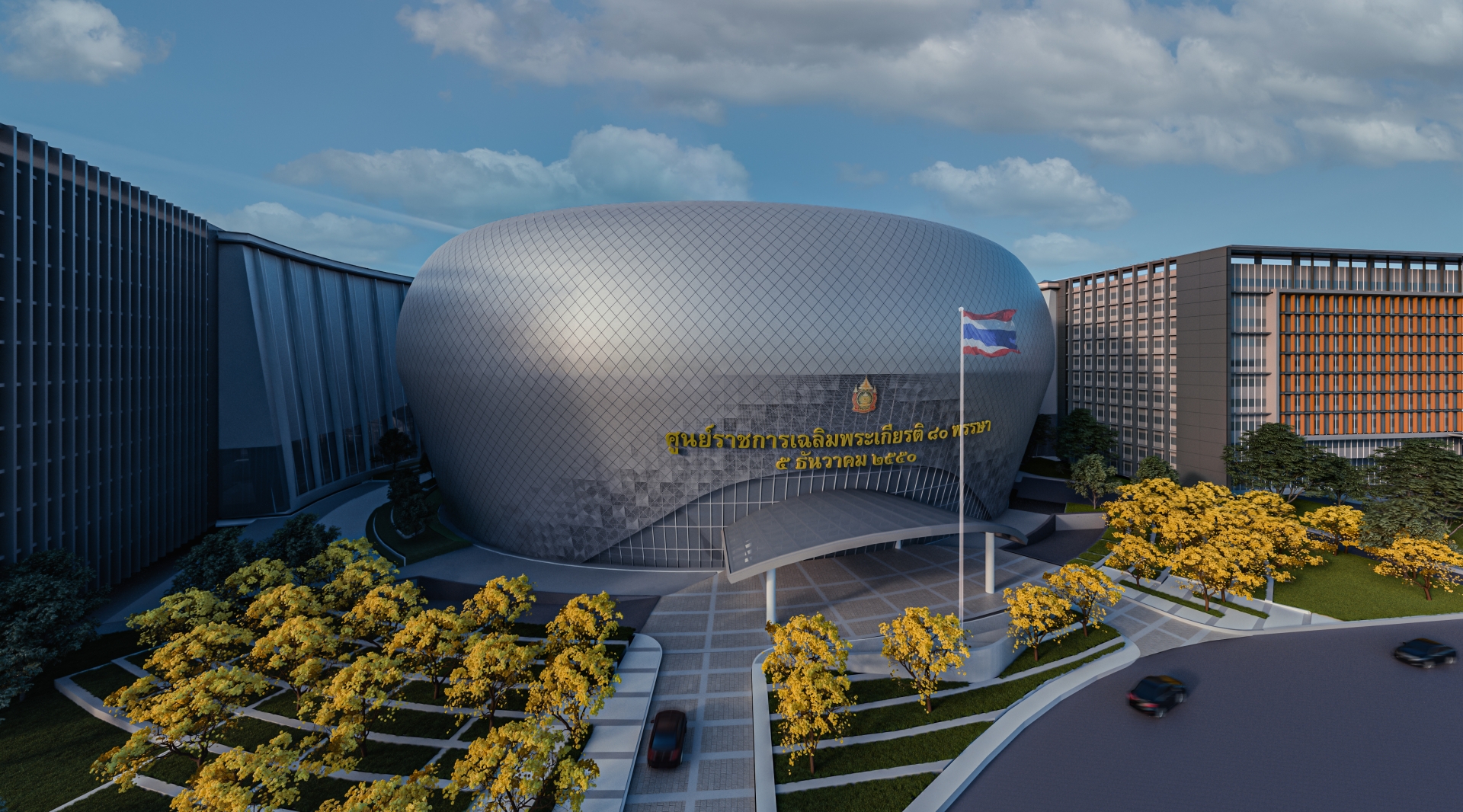
Today, SP Group is using its extensive experience to help cities and industries in the Asia Pacific transition to energy-efficient cooling – from a government complex in Bangkok, Thailand, to commercial mixed-use developments in Western China.
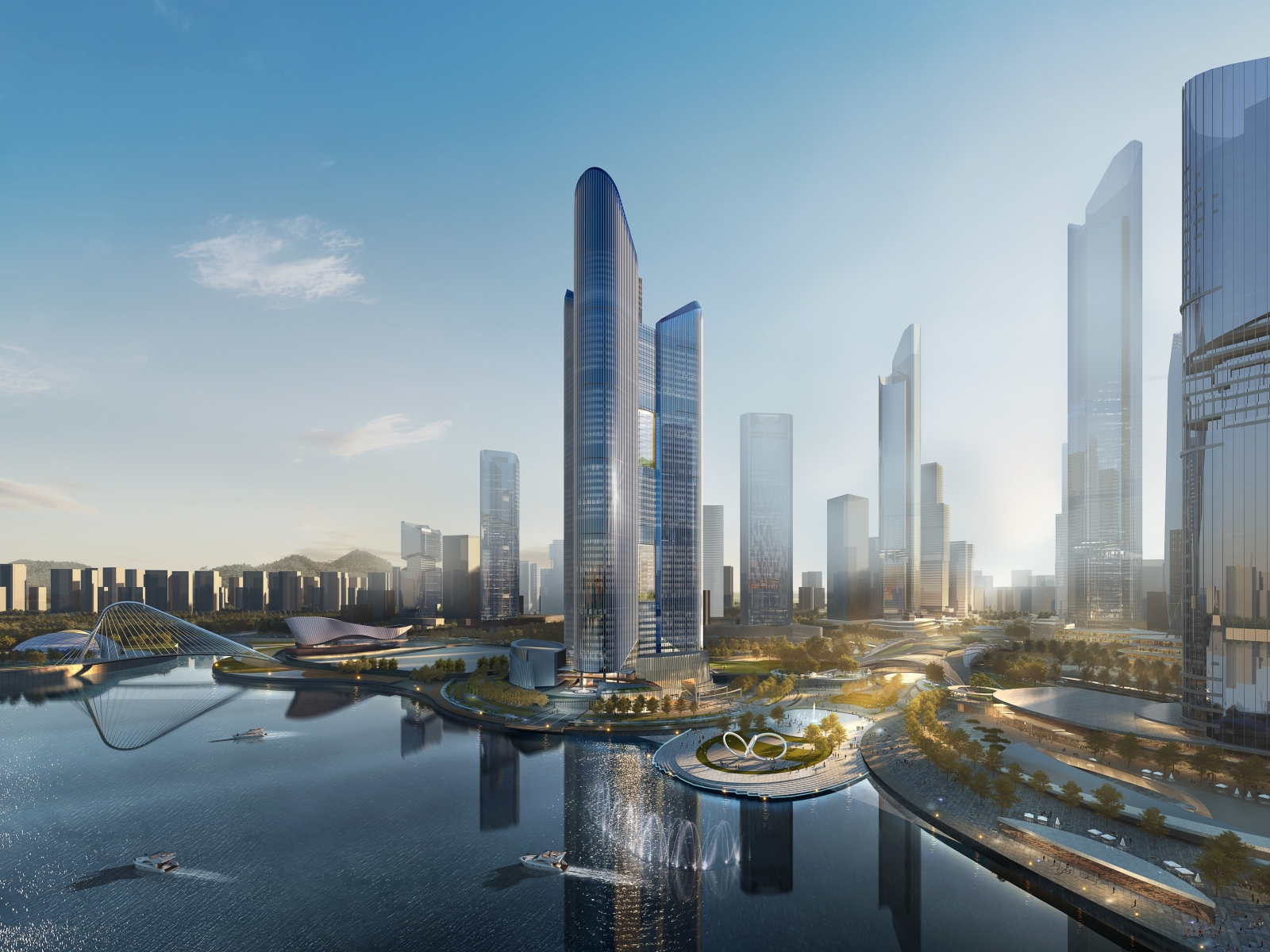
“For Southeast Asia’s tropical climate, air-conditioning is a necessity for business and lifestyle operations to provide thermal comfort,” Huang noted. “With district cooling, we can decarbonise the built environment by supporting greener buildings and align with the region’s low-carbon goals to deliver a climate-resilient future.”
To know more about SP Group’s district cooling system, visit https://www.spgroup.com.sg/about-us/corporate-profile.



















 Read Here
 Advertise
 Sign Up