In Focus
Renewable energy mix target for ASEAN countries to rocket to 23% by 2025

Renewable energy mix target for ASEAN countries to rocket to 23% by 2025
Find out which are the growth hotspots.
Find out who are the winners and losers in Asia's power supply quality
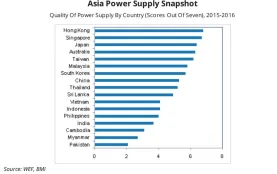
Philippines, Indonesia race to the bottom of the list.
10 charts that tell the story behind China's August power generation data

What's with power consumption inching up by 1.9%?
Thailand’s commitment to power mix diversification attracts Chinese firms
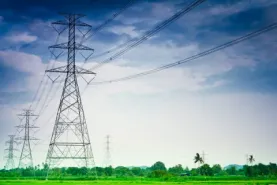
But could there be another reason, too?
India approves proposed master plan to develop 50 solar cities

3 are from the national capital region.
Asia’s renewables capacity set to double by 2024
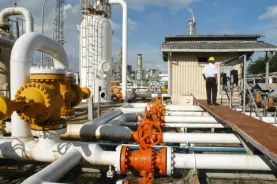
Accounting for around 47% of global capacity.
China Power International's generation declined 9% to 15.1b kWh in 2Q15

Hydro power also declined 13% y/y.
China's wind power capacity expected to treble to 347.2 GW

This is projected to happen by 2025.
Asia's carbon reduction policies moving along

But there's more to do.
China's hydropower usage dropped to just 276 hours in May
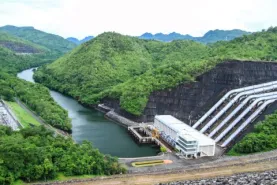
It's 11% the below seven-year average.
Philippines to go ahead with 200MW Mindanao plant bidding
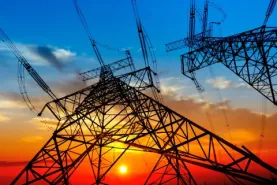
Current rate will be energy generation cost peg.
Hydropower generation jumped 16% from January to April in China
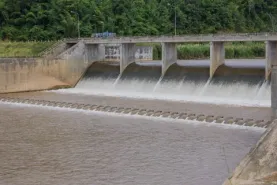
While thermal power generation was mostly flat.
China's hydropower capacity picked up by 30% between 2012-2014
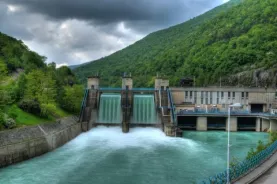
Water levels in key dams are getting better.
Policy focus in China's power sector shifting to consumption efficiency
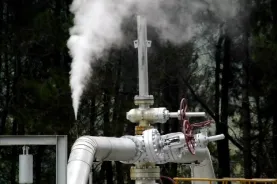
As well as environmental friendliness.
China IPPs' cash flow story unfolding unexpectedly stronger
But will this development last?
China's wind, nuke power sectors predicted to grow robust in 2015
Wind power is likely to be a stellar performer.
Power demand in China edges up by 2.5% y/y in 2M15

But generation remained unimpressive.
Thought Leadership Centre



Most Read
1. Why bigger digesters alone won't solve Asia's renewable energy challenge 2. New MOUs power Singapore-Indonesia 3.4GW electricity trade goal 3. China drives Asia's $177b fossil fuel savings as renewables displace imports 4. Seatrium starts exporting power from floating LNG-battery lab 5. Philippines pays more for power than most Southeast Asian peersResource Center

 Read Here
 Advertise
 Sign Up
Event News

Be amongst the industry leaders recognised for driving innovation and operational rigour across Asia.









Commentary
Why bigger digesters alone won't solve Asia's renewable energy challenge
Scaling for resilience: What Asia Pacific’s bioenergy markets can learn from each other