India’s grid lags renewables, threatening 2030 target
Grid build cycle lags project completion across power expansion pipeline.
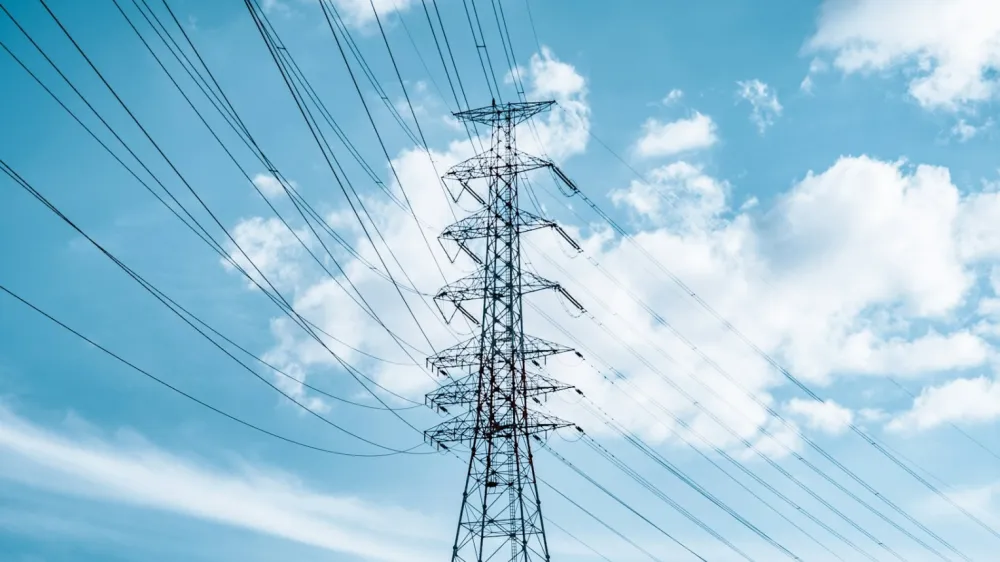
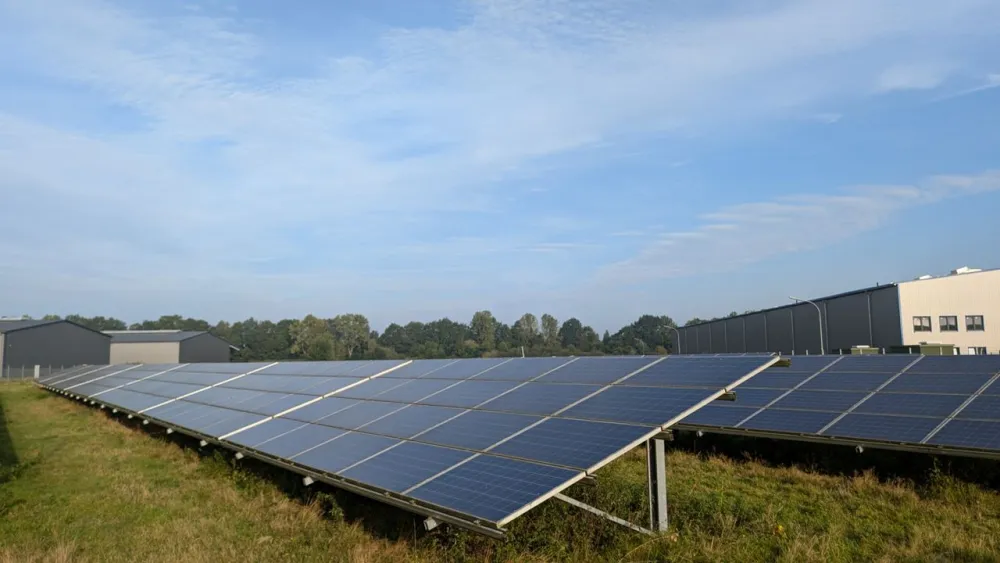
India’s transmission network expansion is failing to keep pace with renewable energy (RE) deployment, constraining the country’s target of reaching 500 gigawatts (GW) of non-fossil electricity capacity by 2030.
Ember said in a report that RE projects typically take 12 to 18 months to complete, whilst transmission infrastructure requires 36 to 60 months.
The mismatch has left grid development trailing generation capacity as transmission systems attempt to catch up with new renewable projects.
India delivered about 80% of its annual transmission targets on average over the past five years, but roughly one in four major Inter-State Transmission System schemes nationwide is running at least one year behind schedule.
The report projected that about 20 GW of renewable capacity in financial year 2026–2027 could face grid connectivity delays exceeding four months, representing nearly half of the 45-GW planned during the period.
Most transmission delays across regions range between four and 12 months, though some projects face delays exceeding three years.
Ember attributed the delays to land acquisition disputes, right-of-way litigation, fragmented land ownership, and forest and biodiversity clearances.
The report cited restrictions linked to the Great Indian Bustard in Rajasthan, which required some transmission lines to be undergrounded.
It also identified supply chain constraints for High Voltage Direct Current components due to a limited global supplier base.
Transmission constraints led to the curtailment of 300 gigawatt-hours (GWh) of RE in the first quarter of 2026, Ember said.
On 30 March 2026, curtailment reached 34 GWh, equivalent to the daily electricity consumption of five million urban households.
A six- to 12-month transmission delay could also reduce a solar project’s internal rate of return by 100 to 200 basis points.
Projects connected under Temporary General Network Access arrangements receive no compensation when power is curtailed because of grid limitations.
The report called for “co-optimised” planning between generation and transmission infrastructure instead of the current generation-led model.
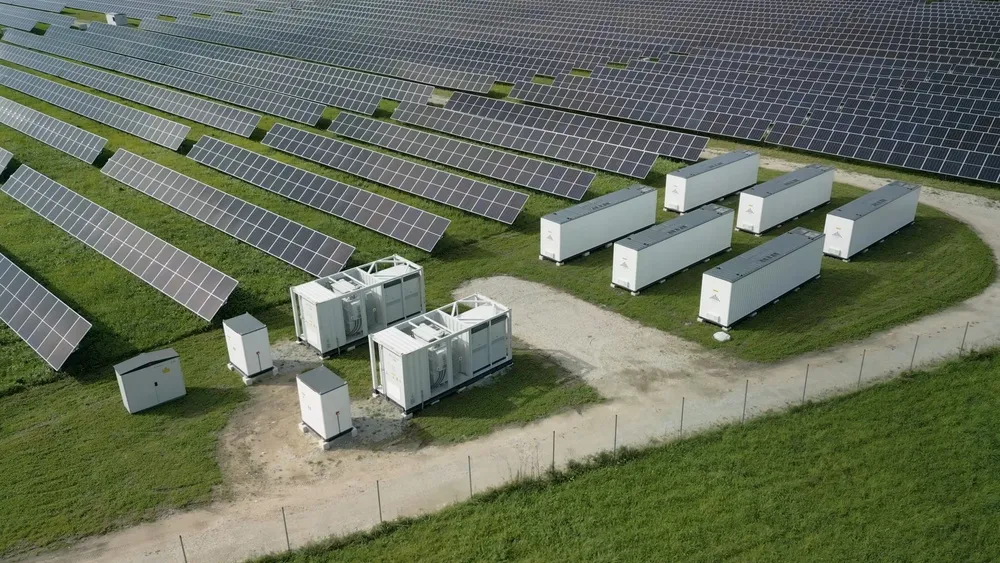
Ember also proposed the use of 3 GW to 4 GW of battery energy storage systems at pooling stations to absorb curtailed renewable power.
It also said grid-enhancing technologies, including Dynamic Line Rating and reconductoring, could increase the capacity of existing transmission lines by 25% to 50% within one to three years without requiring new land acquisition.


















 Read Here
 Advertise
 Sign Up