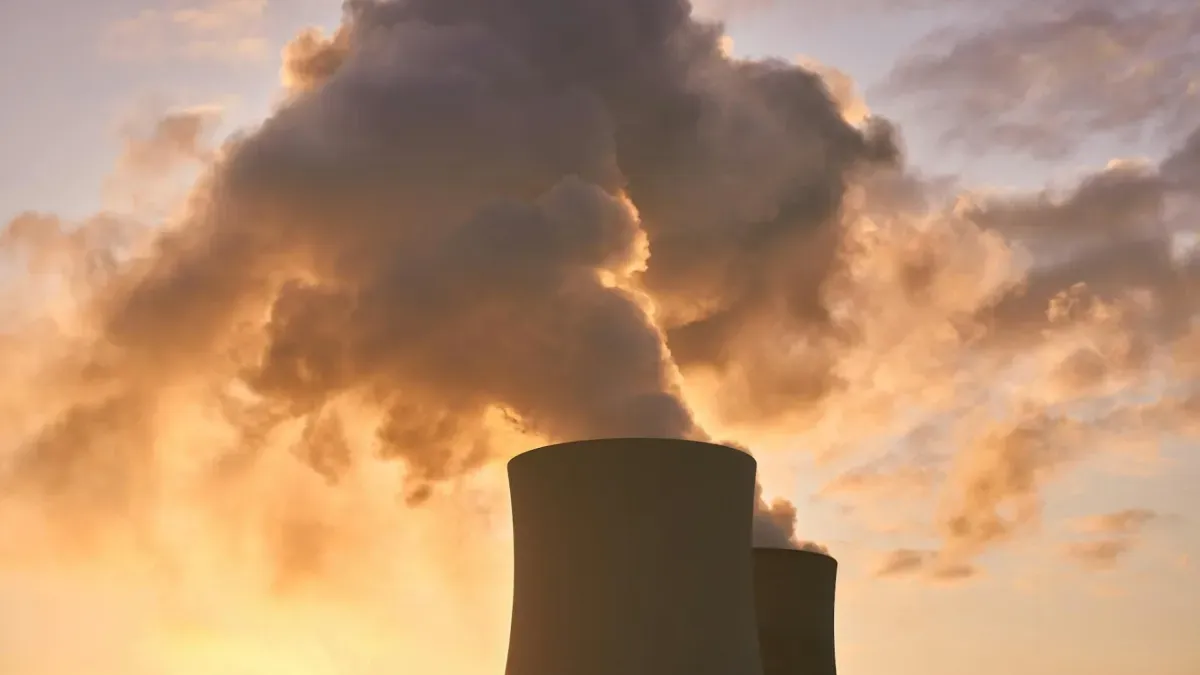
China’s coal use flatlines as solar, wind expand in 2025
Solar generation rose 40%, whilst wind power increased 13%.
China’s coal consumption remained flat in 2025, marking the first year in a decade without growth, as rapid expansion in renewable energy and structural shifts in industry reshaped the country’s power system.
According to Energy Institute's Statistical Review of World Energy, solar generation rose sharply by 40% year-on-year, adding 336.5 terawatt-hours (TWh), whilst wind power increased 13% (+133.6 TWh).
The combined growth in renewables contributed to a decline in coal-fired electricity generation, alongside reduced coal demand from the steel sector.
China installed 315 gigawatts (GW) of solar capacity in 2025, roughly three times Germany’s total installed base. Electric vehicles also surpassed 50% of new car sales for the first time, reinforcing the country’s shift toward electrification.
The expansion is part of China’s broader “new three” industries—solar, batteries, and electric vehicles—which have become key drivers of industrial growth and exports, particularly into emerging markets amidst domestic oversupply.
Power system reforms also accelerated in 2025, with new market-based mechanisms introduced for wind and solar projects.
Coal plants are increasingly being repurposed from baseload generation to flexible backup capacity.
By mid-2024, 360 GW of coal capacity had already been retrofitted for flexibility services, with a full fleet upgrade targeted by 2027. Energy storage capacity rose 81% between 2024 and 2025.
Oil consumption increased 2.8% in 2025, though growth is increasingly driven by the chemicals sector as electric vehicles reduce demand for gasoline and diesel. Across the Asia-Pacific region, transport fuel demand has largely stagnated, with regional oil consumption growth slowing to 1.7% annually.
China’s oil consumption rose by 2.8% in 2025, but its structure is changing. While electric vehicles have significantly reduced gasoline and diesel demand, growth in oil use is increasingly driven by non-transport sectors, particularly chemicals.
In the decade prior to 2023, transport fuels accounted for roughly one-fifth of China’s oil demand growth, during a period when overall oil consumption expanded at an average rate of 4.7% per year.
More recently, across the wider Asia-Pacific region, gasoline and diesel demand has flattened, with regional oil consumption growth slowing to 1.7% annually.
Despite record domestic gas output, China still relied on imports for 37% of its natural gas supply, even as it remained the world’s fourth-largest gas producer. It also remained the world’s largest refining center.


















 Read Here
 Advertise
 Sign Up