Global BESS capacity set for sixfold growth by 2030
China and the US held 74.6% of global BESS capacity in 2025.
Global battery energy storage system (BESS) installed capacity is projected to increase sixfold between 2025 and 2030, growing at a compound annual growth rate (CAGR) of 42%, according to GlobalData.
In its latest report, Strategic Intelligence: Batteries in Power (2026), the market intelligence firm said the growth will be driven by rising electricity demand from electrification, industry, and AI-powered data centers, alongside the increasing share of wind and solar generation, declining lithium-ion battery costs, stronger supply chains, and supportive government policies.
China and the US are expected to remain the dominant markets, accounting for a combined 74.6% of global BESS capacity at the end of 2025, supported by regulatory frameworks, large-scale utility procurement, and clean energy mandates.
“The global power sector is increasingly standardizing on four-hour battery energy storage systems rather than two-hour designs,” said Rehaan Shiledar, power analyst at GlobalData. “Higher shares of solar and wind create longer daily mismatches between generation and demand.”
He said utilities and regulators are increasingly treating four-hour storage as the minimum requirement for capacity credit and resource adequacy, citing procurement programmes in California, Australia, the UK, and the Middle East that favour multi-hour battery storage.
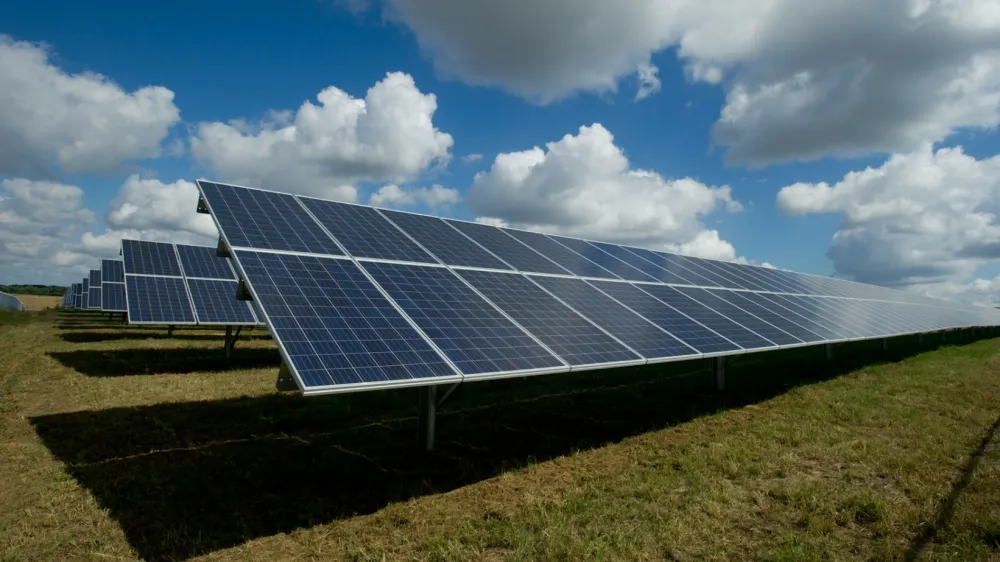
The report also highlighted the growing adoption of co-located hybrid projects, particularly solar-plus-storage facilities, as developers seek to reduce costs and improve project timelines by sharing sites and grid connections. Such projects also enable excess solar generation to be stored and delivered during higher-demand periods without exceeding grid interconnection limits.
GlobalData added that battery energy storage is expected to play a larger role in supporting data centres, extending beyond traditional uninterruptible power supply (UPS) functions.
Batteries can help manage power between the grid and IT equipment, respond to voltage and frequency fluctuations within milliseconds, reduce peak demand charges, and support expansion in areas with limited grid capacity.
According to Shiledar, energy shifting has become the primary value proposition for battery storage, allowing excess renewable energy to be stored and supplied during periods of higher demand, whilst improving grid reliability, reducing renewable energy curtailment, easing network congestion, and lowering reliance on peaking generation.
“As costs continue to decline and projects more effectively monetize stacked revenue streams, supported by government mandates, energy shifting will remain the principal catalyst for battery storage deployment and a cornerstone of high-renewables power systems,” he said.

















 Read Here
 Advertise
 Sign Up