SEA green economy to hit $430b by 2030, but grid bottlenecks threaten growth
Bain and Standard Chartered said capital is available, but execution gaps are slowing investment conversion.
Southeast Asia’s green economy is expected to grow from US$290b in 2025 to US$430b by 2030, but the region must address grid constraints and execution bottlenecks to fully capture the opportunity, according to a report by Bain & Company and Standard Chartered.
The report said the wider Asia-Pacific green economy is projected to expand from US$3.2t in 2025 to US$4.9t by 2030, with Southeast Asia also growing at around 8% to 9% annually.
However, the investment calculus has shifted. Green investments are no longer being funded on climate ambition alone, with capital increasingly flowing only to projects where commercial demand, policy support, infrastructure readiness, and returns are aligned.
Bain and Standard Chartered said around 35% of announced green capital expenditure in Southeast Asia remains unrealised, showing that the issue is not a lack of capital but the region’s ability to convert commitments into deployed investment.
Fixing system constraints could unlock an additional US$80b in investment by 2030, the report said.
About 80% of green capex deployed in Southeast Asia from 2021 to 2025 went into power and grid, and the electric vehicle (EV) value chain, where commercial demand is clearer and less dependent on policy mandates.
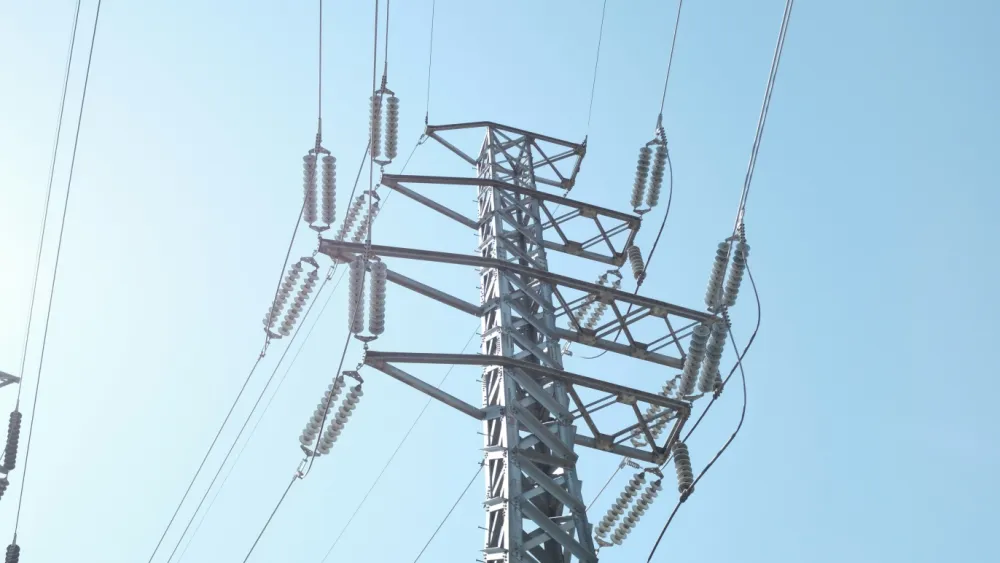
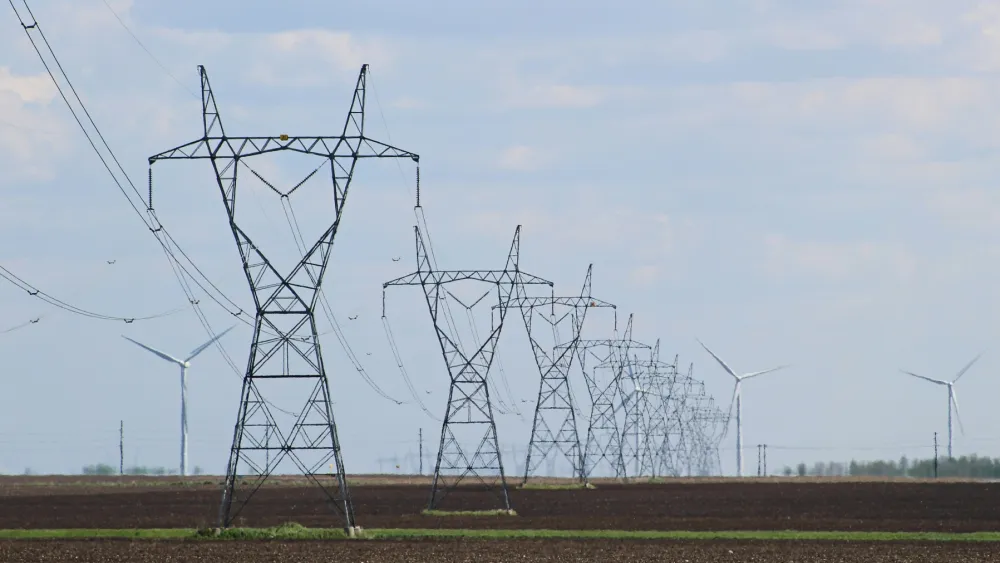
The report identified the power grid as the single binding constraint for the region’s green economy. Data centres, EVs, and green industrial parks are expected to add more than 100 terawatt-hours of new electricity demand between 2025 and 2030.
If the grid cannot support this demand, data centre investment could shift to other markets, EV factories may be built elsewhere, and green industrial clusters could stall, the report warned.
Data centres are expected to become a major new source of electricity load, with Southeast Asia’s data centre capacity projected to grow about three times from 2024 to 2030. Demand is concentrated in hubs such as Singapore and Johor, placing pressure on transmission networks that were not designed for such rapid, localised growth.
The report estimated an annual grid investment gap of about US$18b to 2035, with around US$29b required compared with US$11b invested in 2024.
Southeast Asia’s EV market has also accelerated, with four of the world’s top 15 EV markets now in the region. However, value capture remains limited, as around 70% of EV value still flows outside Southeast Asia.
The region accounts for less than 2% of global EV production and less than 2% of global EV battery production, despite rising demand and early investments in manufacturing.
Bain and Standard Chartered said the next 24 to 36 months will be critical, as data centre operators and global EV manufacturers are already deciding where to locate future investments and production platforms.
Up to US$50b in value could be lost to more advanced EV markets by 2030 if Southeast Asia fails to scale its EV manufacturing capabilities. Stronger regional integration across the EV value chain could unlock a further US$130b to US$160b by 2035.
The report said Southeast Asia must focus on execution, including reducing time-to-power for strategic demand, improving bankability through direct power purchase agreements, virtual power purchase agreements, wheeling, and selective private-grid participation.
Governments should also coordinate infrastructure around high-demand clusters and advance regional integration through bilateral corridors and harmonised systems.
Investors and financial institutions, meanwhile, should fund enabling systems such as grids, storage, charging infrastructure, and interconnections, whilst private companies should signal long-term demand and commit early to regional value chains.
The report said Southeast Asia has the demand, capital, and momentum to scale its green economy, but success will depend on whether the region can fix conversion gaps and build the infrastructure needed to support growth.
















 Read Here
 Advertise
 Sign Up