
Connecting ASEAN through a shared energy future
By Lavan ThiruFuture-proofing Southeast Asia's power grid could contribute to $25b in GDP annually.
Southeast Asia is one of the world’s fastest-growing regions, with the potential to create $120b in new economic value through decarbonisation and long-term strategy in energy security.
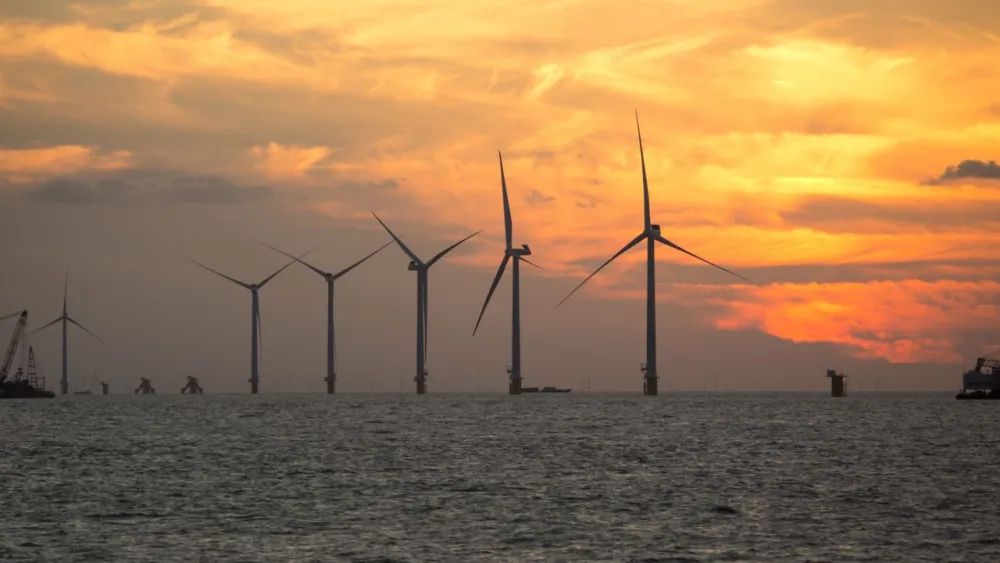
A unified ASEAN (Association of Southeast Asian Nations) Power Grid can support this by enabling countries to tap into one another’s resources in real time, balancing supply and demand across borders. Power from solar, wind, or hydro can be produced in areas where natural conditions are most favourable, with surplus capacity shared across the region.
With the region’s electricity demand forecast to grow by 4% annually, twice the global average, this integration will encourage healthy competition and drive down costs, creating a more dynamic and responsive energy market.
By allowing power to be sold where demand is highest, this flexibility increases the viability of clean energy projects, expands their market reach, and enables investors to pool risks across geographies. In doing so, it paves the way for the development of more bankable, large-scale clean energy projects throughout the region.
A Bain & Co. report indicated that future-proofing the region’s power grid could contribute to $25b in GDP annually. The Lao PDR–Thailand–Malaysia–Singapore Power Integration Project (LTMS-PIP) has already shown that cross-border electricity trade is technically and commercially feasible, with the second phase underway.
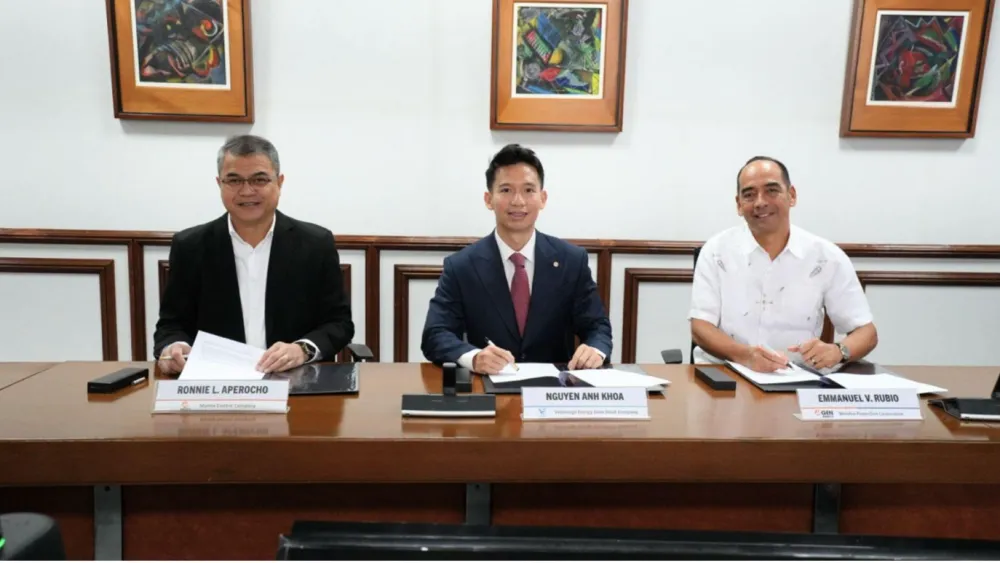
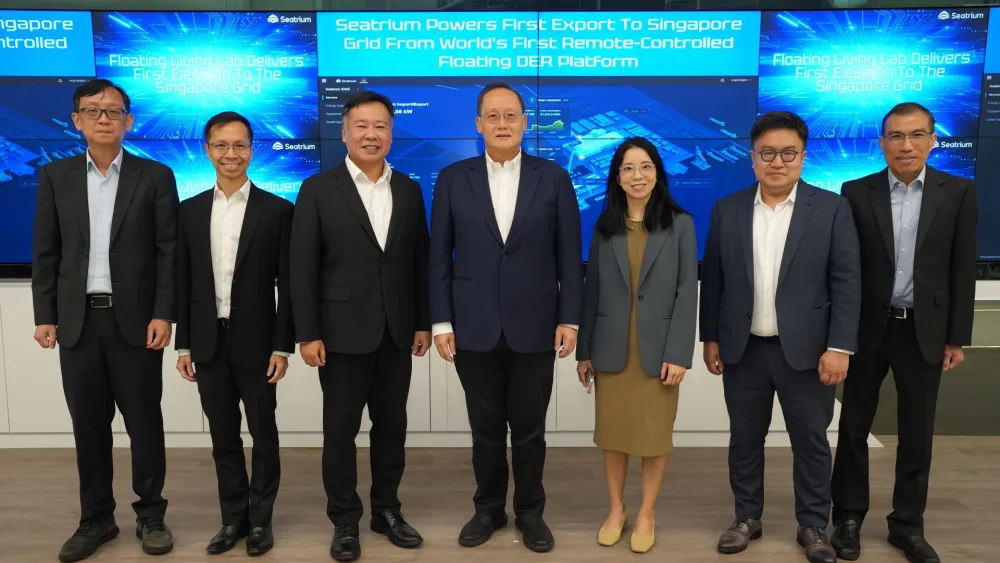
The recent 46th ASEAN Summit also demonstrated the power of collective action, as Singapore, Vietnam, and Malaysia formed a consortium to unlock renewable energy and enable cross-border clean electricity trade. The collaboration marks a significant step towards realising an integrated ASEAN Power Grid.
We view this development as part of a broader shift in how ASEAN approaches energy transition, where the energy systems of tomorrow will be built around infrastructure, connectivity, and integration.
The ASEAN Power Grid extends beyond upgrading technical infrastructure, but it also shapes how the region plans, finances, and collaborates on energy infrastructure. Regional planning efforts are becoming increasingly collaborative, with ASEAN countries aligning national energy strategies through shared roadmaps, regional dialogues, and coordinated regulatory frameworks.
Initiatives like the ASEAN Interconnection Master Plan Study (AIMS) and the ASEAN Plan of Action for Energy Cooperation (APAEC) serve as frameworks that harmonise infrastructure planning, prioritise interconnection projects, and ensure alignment with broader energy transition goals.
For the ASEAN Power Grid to materialise, its financing framework must be strengthened alongside the technical plan - ensuring that capital flows are aligned to support cross-border connectivity. According to the Asian Development Bank (ADB), a minimum of $100b would be required to build transmission lines to integrate the power grids of Southeast Asian nations by 2045.
One way to close the investment gap across energy infrastructure projects is through innovative financing mechanisms like blended finance. Concessional or philanthropic funding, when layered with commercial capital, helps reduce project risks and enhances project bankability.
To-date, blended finance has mobilised approximately $231b in capital in developing countries. However, less than one-third has been deployed in Asia, where opportunities are abundant.
Blended finance needs to be strategically deployed throughout the project life cycle, particularly at the onset to make the greatest impact. We have observed a gap in early-stage development capital in the region, especially amongst local developers who may lack the funds to carry out feasibility studies and environmental assessments.
These early assessments are critical to de-risking by improving project design, demonstrating viability and reducing uncertainty.
Catalytic grants and other forms of development capital can also play a transformative role in bridging this gap, crowd in private investment and unlock more financing. One example is first-loss capital, where a catalytic partner – such as a development finance institution or a multilateral agency – provides a tranche designed to absorb initial risks, thereby encouraging private sector participation.
The Southeast Asia Clean Energy Fund II (SEACEF II), for instance, leverages a $10m catalytic equity investment from philanthropic partners to de-risk investments in solar and energy efficiency ventures across Southeast Asia.
In addition, collaboration amongst governments, multilateral institutions, and private sectors through well-structured public-private partnership (PPP) models can help mobilise long-term private capital for renewable energy and grid infrastructure projects by mitigating risks. Each stakeholder plays a critical role in this de-risking process, ranging from providing guarantees and concessional capital to standardising procurement frameworks.
Realising an integrated power grid to its fullest potential will require continued trust, coordination, and commitment. From mobilising capital through blended finance models to scaling up regional partnerships and harmonising regulatory approaches, the time has come for ASEAN to take the leap forward.
Aligning grid investments with the evolving energy landscape could accelerate the clean energy transition and deliver long-term value for both communities and investors.












 Read Here
 Advertise
 Sign Up