, Uzbekistan
175 views
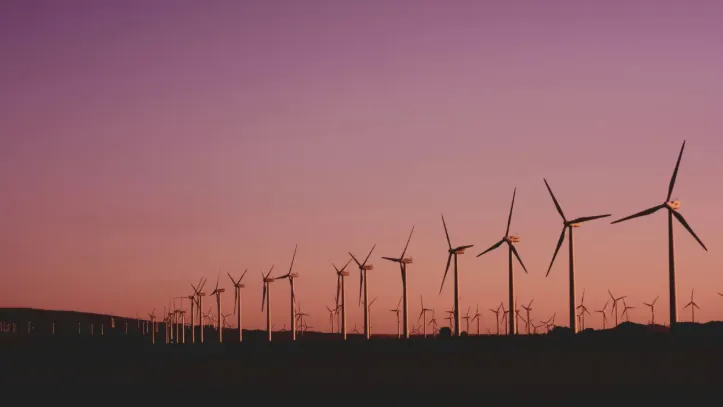
Photo by Yajun Dong: https://www.pexels.com/photo/sea-city-landscape-sunset-14367409/

Uzbekistan issues tender for 5 hydropower projects

The projects have a 46.6 MW total capacity.

Joint-stock company Uzbekhydroenergo issued a tender for the development of five new hydropower plant projects with a total capacity of 46.6 megawatts, responding to the country’s growing demand for electricity.

In a statement, the Ministry of Energy said four separate tenders for a request for qualification were issued based on public-private partnerships.

ALSO READ: Japan, Uzbekistan to collaborate for energy transition

These projects include the Dukentsoi Hydro Power Plant (HPP) in the Tashkent region which has a 5 MW capacity, “Kamchik 2 and 3 HPP in Namangan region with 19 MW, “Kizildarya and Suvlisoi HPP in Kashkadarya region with 13.67 MW, and Kuyi Koksuv HPP in Tashkent region with 8.9 MW. 

The deadline for submission is on 1 April at noon, Tashkent time.
Join Asian Power community
Since you're here...

...there are many ways you can work with us to advertise your company and connect to your customers. Our team can help you design and create an advertising campaign, in print and digital, on this website and in print magazine.

We can also organize a real life or digital event for you and find thought leader speakers as well as industry leaders, who could be your potential partners, to join the event. We also run some awards programmes which give you an opportunity to be recognized for your achievements during the year and you can join this as a participant or a sponsor.

Let us help you drive your business forward with a good partnership!

Top News

Asia battery storage investment held back by execution risks: DLA Piper
China ranks amongst the world's top three markets as investors seek greater certainty.
India renewables face $55b climate loss risk
The study assessed 871 planned clean energy locations across 10 states and territories.
ADB backs $63.44m Cambodia grid upgrade
It aims to cut instability, support renewables, and ease peak demand.