, India

Indonesia eyes higher power consumption rate

It aims to boost the electricity per capita consumption rate to 1,200 kWh in 2019.

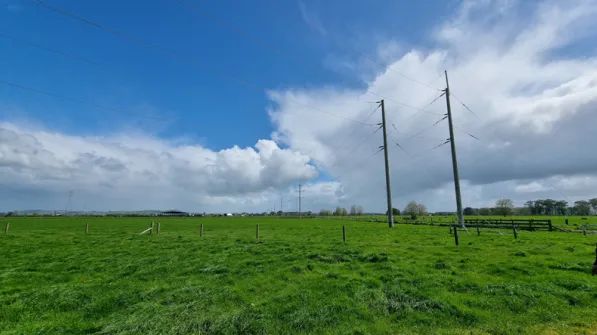
The Indonesian Energy and Mineral Resources Ministry plans to boost the domestic electricity per capita consumption rate to 1,200 kWh in 2019, from 1,050 kWh at the end of the first half of 2018, through the increased use of environmentally friendlier electric vehicles and stoves. A new regulation concerning electric cars is expected to be issued shortly. The development of electric stoves is meant to reduce the volume of Indonesia’s liquefied petroleum gas (LPG) imports and mainstream affordable and sustainable power supply sources.

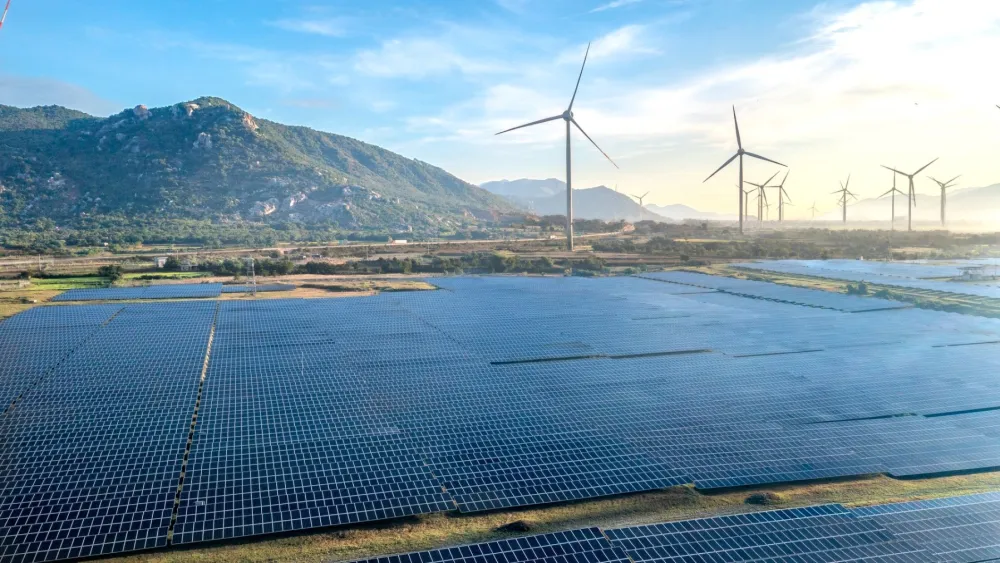
The Indonesian government is also calling for investors and industry players to develop "more affordable" renewable energy sources, as part of its target to reach 23% of renewable energy in the country’s energy mix by 2025.

This article was originally published by Enerdata.
Join Asian Power community
Since you're here...

...there are many ways you can work with us to advertise your company and connect to your customers. Our team can help you design and create an advertising campaign, in print and digital, on this website and in print magazine.

We can also organize a real life or digital event for you and find thought leader speakers as well as industry leaders, who could be your potential partners, to join the event. We also run some awards programmes which give you an opportunity to be recognized for your achievements during the year and you can join this as a participant or a sponsor.

Let us help you drive your business forward with a good partnership!

Exclusives

Grid-forming inverters seize control to stabilise Asia’s power
Electricity demand is rising faster than the physical networks that deliver it.
Asia fusion market enters decisive phase with $5b China lead
The China Fusion Energy Corporation serves as a $2.1b national hub for artificial sun projects.
Grid links open fresh energy path for Singapore
Momentum builds around cross-border imports of solar, wind, and hydropower.