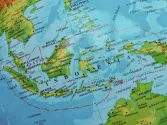
Japan to launch offshore wind tenders for five zones in early 2019
Its two houses approved a bill that will enable territorial waters for offshore wind generation facilities.
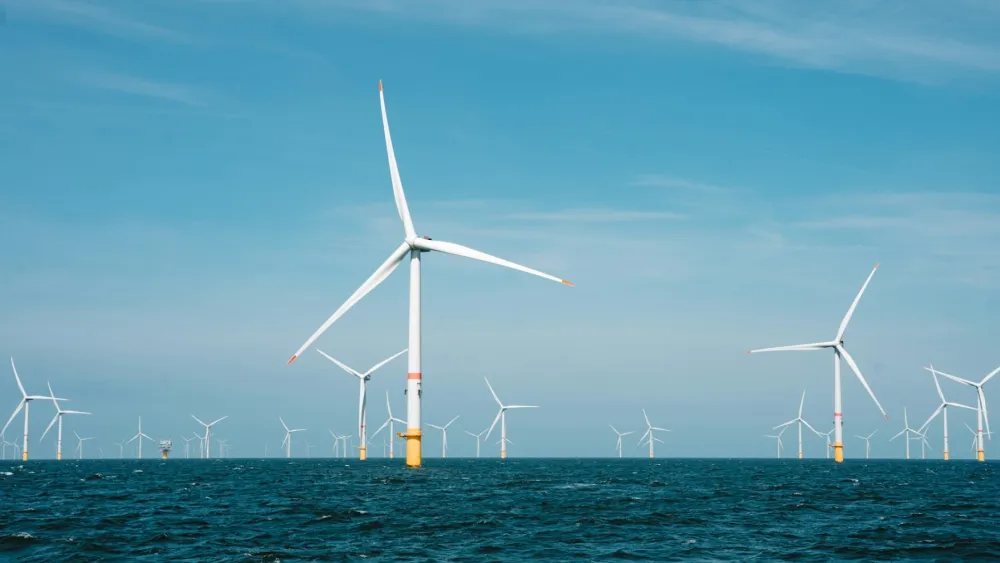
The two houses of the National Diet (Parliament) of Japan have passed a bill meant to promote the use of the country's territorial waters for the development offshore renewable power generation facilities, which will be enforced next spring.
According to the new offshore wind law, the Japanese government will identify approximately five offshore wind development areas and will launch the country's first offshore wind tenders in spring or summer 2019. Successful bidders will be given the right to use the zones for a 30-year period.
This represents a major change for the Japanese wind industry, which used to rely on feed-in-tariffs (FiTs) for the development of offshore projects. The Ministry of Economy, Trade and Industry (METI) introduced a specific FIT for offshore wind in 2014. The development of a tender-based system sends a strong signal that the Japanese government is committed to long-term investment in the sector.
This article was originally published by Enerdata.


















 Read Here
 Advertise
 Sign Up