Staff Reporter
GE inks151MW wind turbine order with Huaneng Corporation

GE inks151MW wind turbine order with Huaneng Corporation
55 units of wind turbines to be supplied.
Datang Renewable warns of possible loss for 2014

This is despite a hefty 76% power gen recovery.
Datang Power on the cusp of removing a big drag on its profitability
The sale could rack up around RMB79b.
Why another tariff cut for Chinese IPPs is highly unlikely now
Will coal miners give way to IPPs?
Oriental OWL Energy seals deal with GE Energy Financial Services for Japan solar projects
It's the largest solar project in Asia.
Kunlun Energy's shared nosedived 38% since August 2013
Are investors convinced of its emerging value?
Is Kunlun poised for brighter days ahead?

Shares have fallen 38% since August 2013.
Veolia Water Technologies launches new generation Orion system
The new system is packed with sustainability features.
T&D tariff for Shenzhen grid reform trail dips 8% to RMB 0.1435/kWh

This could benefit IPPs long-term.
Indian power sector loses $16.2b to theft every year

And now, a $21.6b solution has come.
ABB wins $28 million order for power and water plant project in the UAE
The project costs a whopping $28m.
Asia Pacific's nuke capacity predicted to hit 50GW
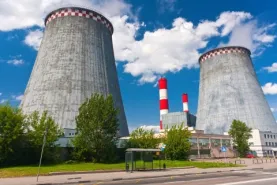
It could grab the lion's share in global demand.
CR Power threatened by underperformance on utilization hours
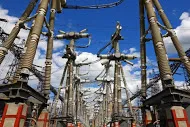
In the next 2-3 years.
SunEdison seals deal with Karnataka, India to generate 5GW of renewable energy

This will be over the next 5 years.
China sets up $32b energy company to cut Beijing pollution
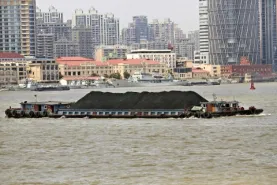
And boost efficiency in the energy industry.
Gamesa inks 92MW wind turbines deal with China
The deal involved 2 contracts.
China Sunergy unveils 30MW solar module contract win in India
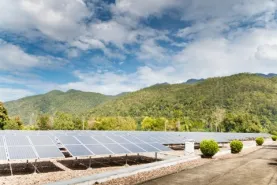
The project is for India's new Telangana State.
Thought Leadership Centre



Most Read
1. SEA green economy to hit $430b by 2030, but grid bottlenecks threaten growth 2. India loses 2.1TWh of renewables as coal hits flexibility limit 3. Japan’s US LNG resales equal output of 17 coal plants, report says 4. Pakistan’s LNG supply hit as Middle East conflict halts Qatar cargoes 5. Philippine renewable projects draw $5.72b in investmentsResource Center
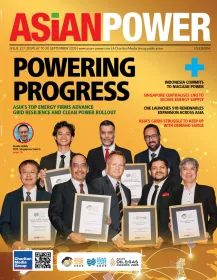
 Read Here
 Advertise
 Sign Up
Event News

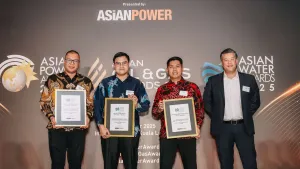
Be amongst the industry leaders recognised for driving innovation and operational rigour across Asia.









Commentary
Malaysia’s energy workforce is upskilling, but to what standard?
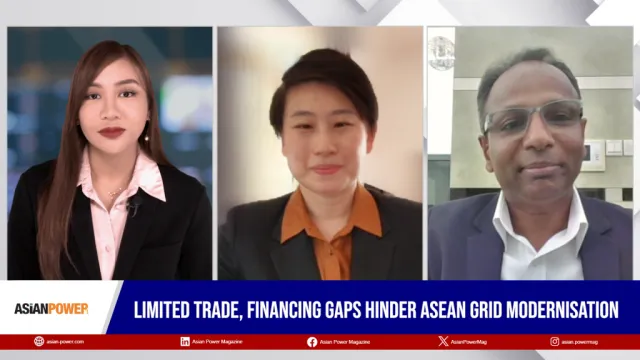
Asia’s grid decade: Why transmission will decide the pace of renewable growth