Staff Reporter
India's Power Grid 3QFY15 profit surged 21% y/y at INR12.6bn
India's Power Grid 3QFY15 profit surged 21% y/y at INR12.6bn
EBITDA was also in line with forecasts.
Malaysia unveils cuts to electricity tariffs until 30 June
Mentioning lower electricity generation costs from coal.
APR Energy's Australia power plant starts operations

In time to address the summer heat.
Malaysia's Tenaga Nasional unfazed by lack of tariff adjustment in 2015
Even earnings remain unscathed.
100MW wind power project in Madhya Pradesh soon to rise

50 new turbines will be installed.
India's wind industry players confident of reaching 60 GW goal
Achievement is pegged by 2022.
Shenhua warns of a massive 36% y/y decline in 2015 earnings
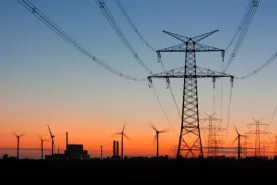
Coal seems to be a significant factor.
China pushes through with nuke dreams amid buoyant market views
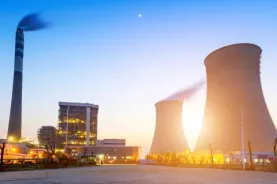
3rd largest nuke power operator is up and coming.
APR Energy signs extension on power generation contracts in Indonesia

Deal on 115MW of extension has been sealed.
CGN Power eyes doubling installed nuke power capacity by 2020
It's grabbing 60% of market share.
Adani, Government of Rajasthan to set up India’s largest solar park of 10,000 MW

India is dead serious about its power ambition.
Gamesa inks 2 wind power supply contracts in India

An aggregate 260MW will be provided.
China Longyuan Power's blended power generation surged 14.6% in January
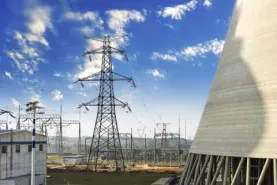
Thanks to strong wind power generation growth.
Indonesia-based MAXpower predicted to hit quarterly cash earnings of US$15m
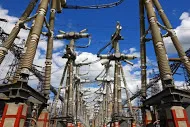
This is likely to happen by 3Q15.
Korea-based POSCO's overall profitability jumps in 2014

Thanks partly to favorable steel fundamentals.
China investigates former head of firm assigned to clean Beijing air

"Severe violations" are being probed.
Chinese manufacturer Trina Solar predicted to be 2014's largest PV supplier
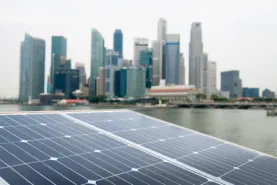
Yingli Green Energy has been elbowed out.
Thought Leadership Centre



Most Read
1. SEA green economy to hit $430b by 2030, but grid bottlenecks threaten growth 2. India loses 2.1TWh of renewables as coal hits flexibility limit 3. Japan’s US LNG resales equal output of 17 coal plants, report says 4. Pakistan’s LNG supply hit as Middle East conflict halts Qatar cargoes 5. Philippine renewable projects draw $5.72b in investmentsResource Center

 Read Here
 Advertise
 Sign Up
Event News

Be amongst the industry leaders recognised for driving innovation and operational rigour across Asia.











Commentary
Malaysia’s energy workforce is upskilling, but to what standard?
Asia’s grid decade: Why transmission will decide the pace of renewable growth