Grid modernisation: ASEAN’s hidden growth engine for a green future
By Kitty BuRealising the ASEAN grid vision will require more than just infrastructure and finance.
Extreme weather is intensifying across the globe. The year 2024 marked the hottest year on record, and according to NASA, floods and droughts are becoming more frequent, prolonged, and severe.
In Southeast Asia, the situation isn’t just a climate crisis; it’s an energy crisis. The region needs modern, more resilient grids to power a low-carbon, inclusive future.
A key part of that future is the ASEAN Power Grid, which featured prominently at the recent 46th ASEAN Summit. Leading energy firms from Singapore, Vietnam, and Malaysia have launched a new renewable energy consortium to promote tripartite collaboration and cross-border clean energy trade.
This marks a promising step towards realising the long-envisioned regional grid. But for this vision to materialise, countries must prioritise investments in transmission and distribution infrastructure whilst continuing to scale up renewable energy generation.
The missing backbone of Southeast Asia’s clean energy transition
According to the Southeast Asia's Green Economy 2025 report, modernising the region’s power grid could unlock $25b in economic value by 2030. Yet across countries like Indonesia and the Philippines, the existing grids are under growing strain.
Rapid renewable energy deployment, whilst essential, is outpacing the ability of transmission and distribution systems to meet new capacity demands. Developers are building solar and wind projects, but many remain underutilised due to the infrastructure ecosystem.
This growing mismatch poses real risks. Without timely upgrades, clean energy investments could stall, regional decarbonisation targets may slip out of reach, and already energy-poor communities risk falling even further behind.
Many Southeast Asian electricity networks were designed for a centralised, fossil fuel-driven model, stretched across archipelagos, mountains, and remote provinces. These systems supported development for decades, but they were never built for today’s more dynamic energy landscape.
Now, renewable energy solutions like rooftop solar, distributed generation, battery energy storage systems (BESS), and interconnectors are rapidly becoming the norm. These innovations require agility, real-time control, and more intelligent systems - demands that traditional grids cannot deliver without significant upgrades.
Grid modernisation goes far beyond cables and substations. It’s about creating smart systems through digital technologies, regulatory reform, and new business models that enable more inclusive and responsive energy systems.
Technologies like artificial intelligence, smart meters, grid-edge devices, and predictive analytics, for example, are already transforming electricity networks globally. They enable real-time load balancing, improved forecasting, and faster fault detection, all of which enhance grid reliability and facilitate the integration of renewables.
From promise to action: Investing in innovation and inclusion
Key initiatives in accelerating the transformation include the Enhancing Access to BESS for Low Carbon Economies (ENABLE) platform, developed in partnership with the Asian Development Bank (ADB) and other like-minded alliance partners. It aims to accelerate battery storage deployment across the region by providing technical expertise, project development support, and innovative financing solutions to fast-track BESS projects.
Battery storage is crucial for managing the intermittency of renewables, stabilising the grid, and extending electricity access to remote areas. Yet in emerging markets, high upfront costs and policy uncertainty often stall adoption.
ENABLE is designed to overcome these hurdles, starting in Vietnam and gradually expanding to Indonesia, the Philippines, and other Southeast Asian countries.
We’ve also seen the power of demonstration projects to unlock change. In India, the country launched its first utility-scale BESS pilot in New Delhi. About 70% of the project’s capital came from concessional financing and technical assistance.
Today, the system provides stable electricity to over 100,000 consumers offering a real-world model for inclusive, tech-enabled grid solutions.
In Vietnam, GEAPP has partnered with ADB, Rocky Mountain Institute (RMI) and the Vietnam Energy Institute to develop its first pilot BESS project with a capacity of 50 MW/50MWh. The project not only aims to enhance the reliability of the grid and reduce electricity costs but is also expected to create job opportunities in the manufacturing, supply, installation, and other related sectors.
Partnerships make progress possible
Technology alone won’t deliver modern grids. System-wide collaboration amongst governments, utilities, regulators, investors, technology providers, and communities is what’s needed and necessary.
Realising the ASEAN grid vision will require more than just infrastructure and finance. It demands a people-centred approach, one that ensures energy systems also drive inclusive development.
This means enabling productive use of energy (PUE), supporting small businesses, creating jobs, and strengthening local economies alongside decarbonisation. One such example is through GEAPP’s work to change energy access to renewable energy in the remote island of Maluku, Indonesia. The island’s diesel generators are being replaced with cold-chain facilities and solar ice markers, enabling fishers to increase their income whilst maintaining fish quality, with a production capacity of 1 ton per day.
Philanthropy’s catalytic role in grid transitions
Financing remains a significant challenge for grid modernisation. In many emerging economies, traditional commercial capital is often too risk-averse to support large-scale grid upgrades, especially in rural or lower-income areas. Philanthropic capital can play a crucial catalytic role, de-risking early-stage projects, supporting blended finance structures, and fund technical assistance to crowd-in private investment.
This model accelerates national grid modernisation efforts whilst ensuring that no one is left behind, particularly those in remote and underserved communities.
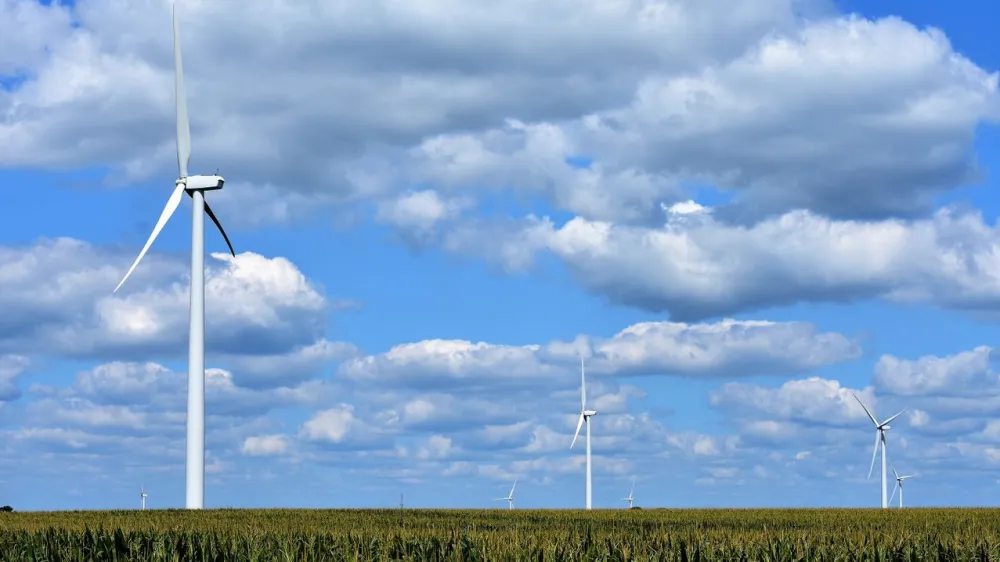
The grid is the backbone of Southeast Asia’s clean energy future; linking wind turbines to homes, solar farms to schools, and storage batteries to hospitals. It’s what turns electrification into real economic, social, and environmental transformation.
When done right, modern grids can unlock renewable energy, attract long-term investment, and deliver clean, reliable power to millions more people. But this transformation demands collective action – governments, businesses, investors, and communities working together to make it happen.
The time to act is now. A resilient, low-carbon, people-first future is within reach, but only if we build the modern grid needed to power it.












 Read Here
 Advertise
 Sign Up