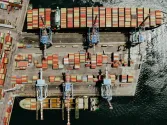
Transmission system operators under pressure as renewable energy expands
Balancing supply and demand is harder with offshore wind and distributed solar.
Transmission system operators are facing growing challenges as the rapid expansion of offshore wind and solar makes it harder to balance electricity supply and demand, according to a report by ERM.
TSOs, which manage high-voltage power networks, are responsible for ensuring electricity producers and consumers can connect to the grid, the report said.
However, the shift toward renewable energy, especially offshore wind and solar, has made balancing supply and demand more difficult.
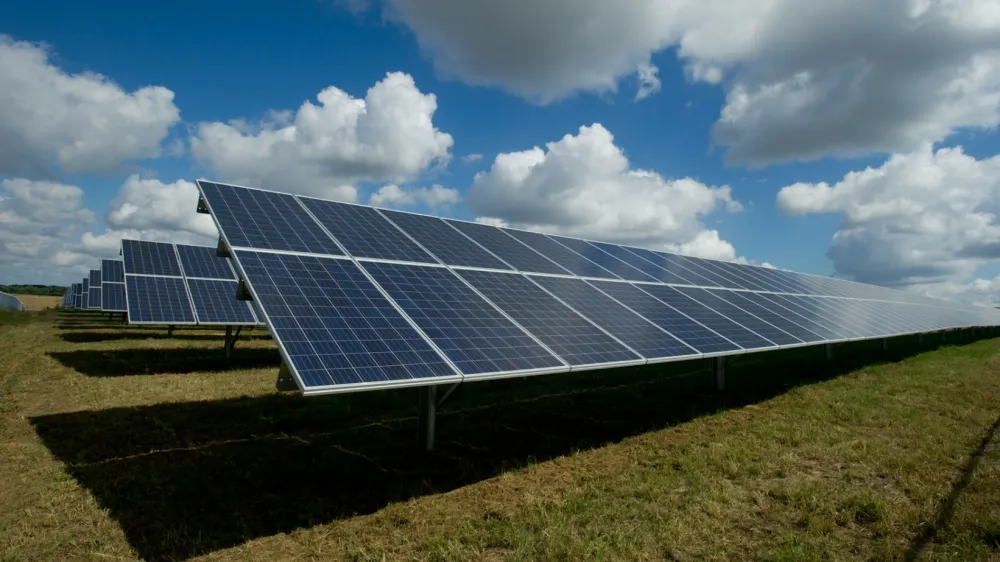
Many renewable energy sources are located far from major demand centers. Offshore wind farms are often built far at sea, while solar projects are widely distributed in rural areas.
At the same time, electricity demand is expected to increase by 60% by the end of the decade, putting further pressure on existing transmission infrastructure.
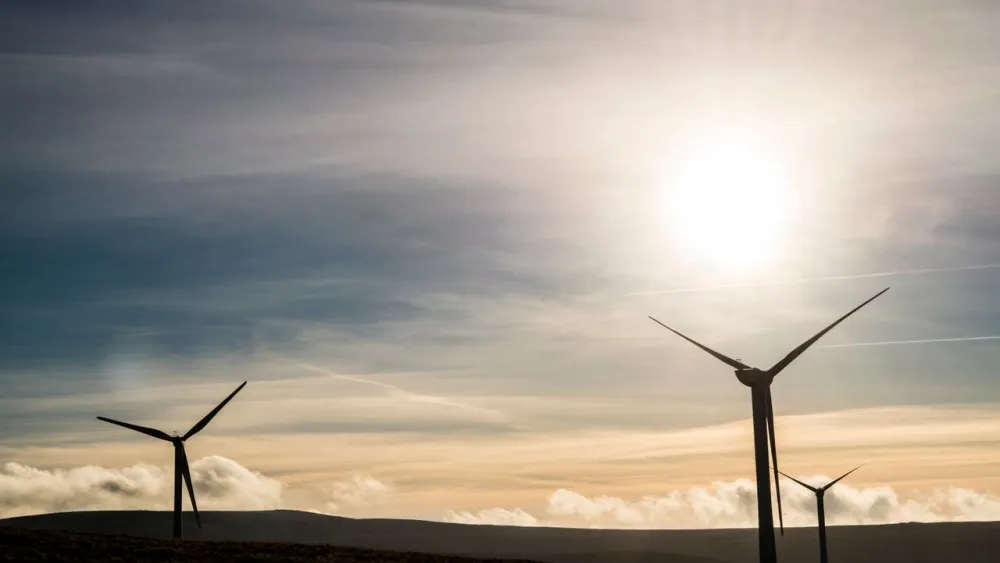
Globally, more than 1,360 gigawatts of offshore wind capacity are currently under development as countries aim to decarbonize power and industry.
But the expansion has faced challenges, including policy uncertainty, permitting delays, and rising costs.
Despite their role in managing grid access, system operators have limited influence over where large new electricity users such as data centers and hydrogen facilities are built. This disconnect makes it harder to match electricity supply with demand.
The report said overcoming this challenge will require stronger coordination between governments, TSOs, and industry stakeholders.
Key measures include expanding transmission networks, improving cross-border electricity connections, increasing energy storage, and encouraging flexible electricity demand.
Clear long-term policy direction, proactive infrastructure investment, and integrated planning will be essential to ensure that renewable power can be delivered reliably and efficiently.













 Read Here
 Advertise
 Sign Up