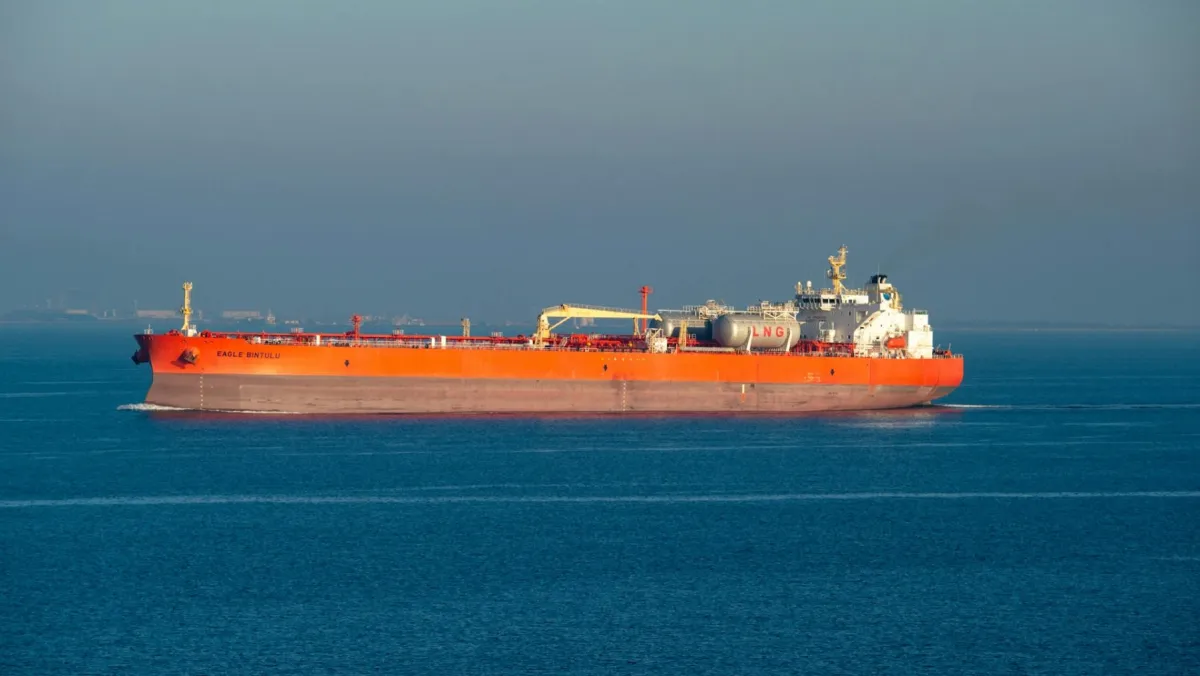
Asian LNG prices to rise amidst Middle East tensions
It is set incresse to $14 per MMBtu in 2026.
Asian spot liquefied natural gas (LNG) prices will rise from $10 per MMBtu pre-conflict to about $14 per MMBtu in 2026, citing disruptions to Qatari and UAE supply, according to Rystad Energy.
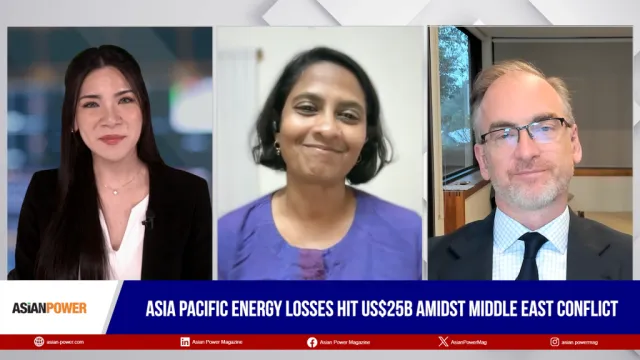
Kaushal Ramesh, vice president of Gas & LNG Research, said Asia has become the key price-setting market, with more than 85% of Qatar and UAE LNG delivered there in 2025
Europe will need an additional 18 million tonnes of LNG next year, but TTF prices are expected to follow a no-arbitrage pattern rather than spike.
Meanwhile, South Asia faces the highest price exposure, but increases are expected to be lower than during Europe’s 2022 energy crisis.
Prices could rise further if the Strait of Hormuz remains closed and oil prices climb.
Pre-conflict LNG supply growth was expected to exceed 30 million tonnes, led by the US, Canada, and Australia.
Losses from Qatar and the UAE are estimated at 11 million tonnes, leaving net supply growth of over 25 million tonnes. Omani LNG is assumed unaffected, though risk remains after attacks on Sohar.
Emerging Asia is projected to bear the brunt of demand reduction, but the base case scenario anticipates only a slowdown in LNG demand growth rather than an outright reduction from 2025 levels.
About 900,000 tonnes of Gulf LNG shipments are blocked due to the Strait of Hormuz closure, forcing some flexible demand reductions elsewhere.
A six-month closure of the Strait could remove 40 million tonnes of LNG from the market.
This could push Asian and European LNG prices toward $30 per MMBtu for the year, with daily peaks potentially higher, the report noted.
Ramesh warned that prolonged disruption could weaken long-term LNG demand in emerging markets and shift procurement strategies away from Middle East supply.
Suppliers may accelerate alternative routes and APAC-facing projects to secure reliability.













 Read Here
 Advertise
 Sign Up