APAC data centre demand to exceed 1000 TWh
Power shortages force a shift towards energy-led site selection and investment.
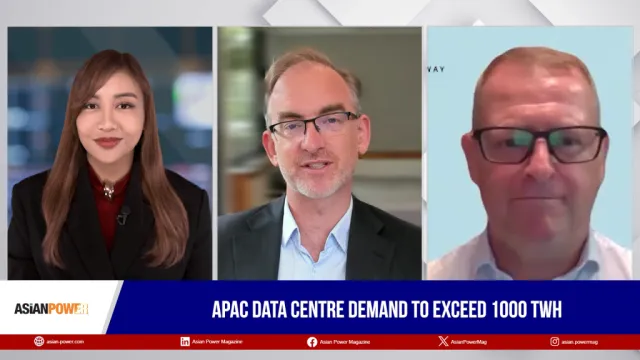
Asia-Pacific’s data centre boom is increasingly constrained by power availability, forcing a shift in how projects are financed and located, according to Will Symons, Asia Pacific Sustainability Leader of Deloitte and Chris Howard, Head of Account Management in Data Centres and PMO for APAC at JLL.
Electricity demand from data centres is set to surge sharply, rising from under 200 terawatt hours today to more than 1000 terawatt hours by the mid-2030s. Symons said this growth is colliding with broader electrification trends, with regional power demand projected to rise nearly 50% over the next decade.
At the same time, AI is accelerating demand. Howard noted that “AI is going to represent 50% of all data capacity by 2030,” up from 25%, driving rapid expansion in computer infrastructure. Global data centre capacity is expected to nearly double to around 200 gigawatts by 2030, intensifying pressure on already strained grids.
However, grid development is lagging behind demand. In Tokyo, the pipeline of data centre projects is already more than double the planned expansion of electricity supply to 2030. Symons said connection delays are becoming widespread as “projections for data center power needs are outpacing plans to augment local grids.”
Across Southeast Asia and India, structural issues including limited interconnectivity, grid congestion, and underdeveloped energy storage are further constraining supply. These gaps are limiting the region’s ability to fully capitalise on data centre investment despite strong demand.
Energy costs are also emerging as a critical risk. Symons noted that energy accounts for around 60% of data centre operating expenses, with “high and volatile energy prices” threatening supply stability and long-term profitability.
In response, the industry is shifting towards a “power-first” investment model. Symons said “energy becomes the primary constraint that shapes where… projects are developed,” fundamentally changing site selection strategies.
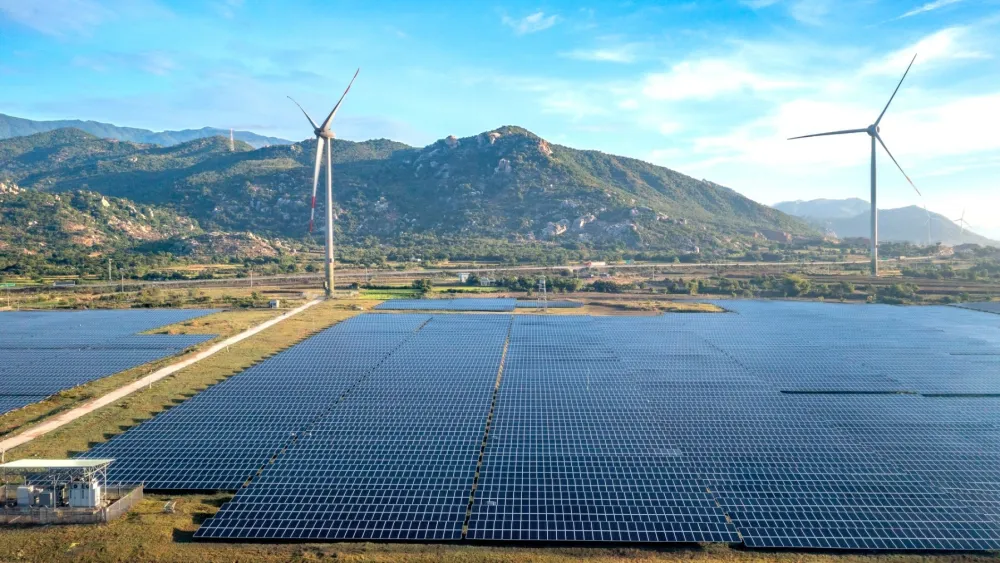
Under this model, developers are prioritising access to reliable, low-cost power over proximity to end users. This marks a shift “from near demand to near power,” with emerging locations offering strong renewable resources becoming increasingly attractive.
Howard added that secured electrical capacity is now defining development timelines, with projects increasingly requiring early-stage commitments to power infrastructure. In some markets, “bring your own power” is becoming standard practice as grid constraints intensify.
The shift is also driving integration between energy and digital infrastructure. Developers are combining renewables, storage, and data centres into unified investment portfolios to manage price volatility and improve project viability.
As AI-driven demand continues to rise, the ability to secure reliable, scalable power will determine where data centres can be built. Without significant investment in grid capacity and energy systems, Asia-Pacific risks falling short of its digital infrastructure ambitions.














 Read Here
 Advertise
 Sign Up






Commentary
Why bigger digesters alone won't solve Asia's renewable energy challenge
Scaling for resilience: What Asia Pacific’s bioenergy markets can learn from each other