MidEast conflict forces Asia to shift energy investments
An IEA report said global energy investment hits $3.4t as Asia shifts strategy.
Asia is reshaping its energy investment strategies as conflict in the Middle East disrupts supply routes and raises concerns over energy security and trade reliability, according to a report from the International Energy Agency (IEA).
The agency said the Strait of Hormuz-linked disruption is driving governments and companies to prioritise diversification of energy sources and transport routes, marking a second major supply disruption in five years following the Ukraine-Russia conflict in 2022.
Countries in Asia and the Middle East face the strongest impact from disruptions to shipping flows through the Strait of Hormuz, prompting increased investment in domestic resources and alternative supply infrastructure.
The report, World Energy Investment 2026, projects global energy investment will reach $3.4t in 2026, with $2.2t going into electricity systems, low-emissions fuels, nuclear, renewables, efficiency, and electrification, whilst $1.2t will go into oil, gas, and coal.
It forecasts oil investment will fall below $500b in 2026, marking a third consecutive annual decline.
The IEA attributes this to uncertainty over price trends, long project lead times, supply chain constraints, and tight offshore rig availability.
Natural gas investment is also projected to rise to $330b, supported by liquefied natural gas export projects in the US and Qatar.
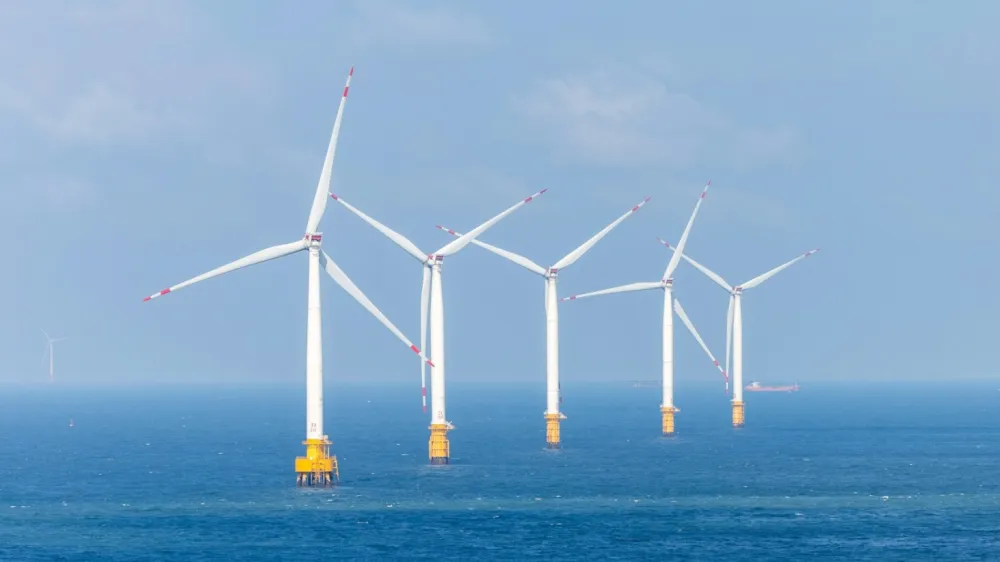
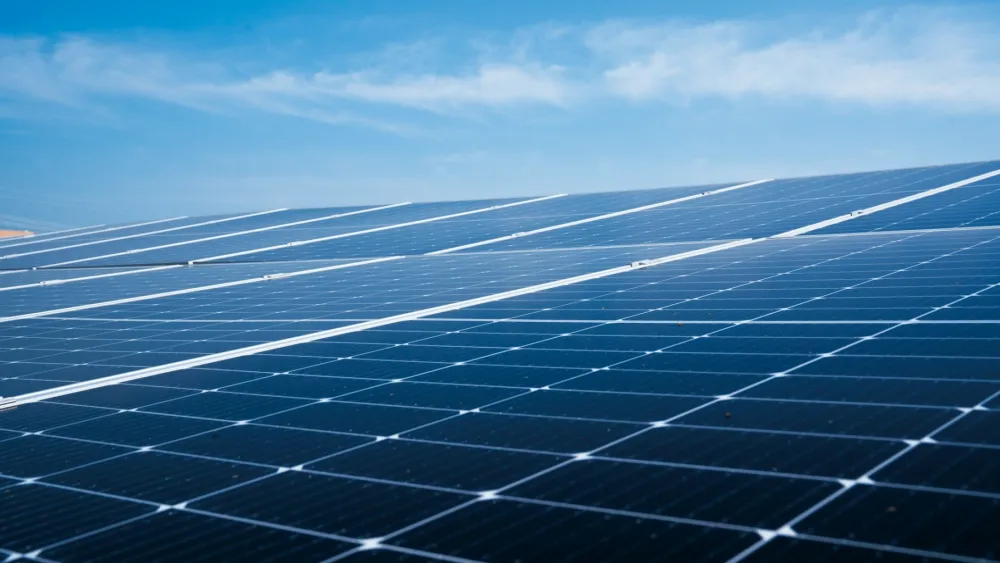
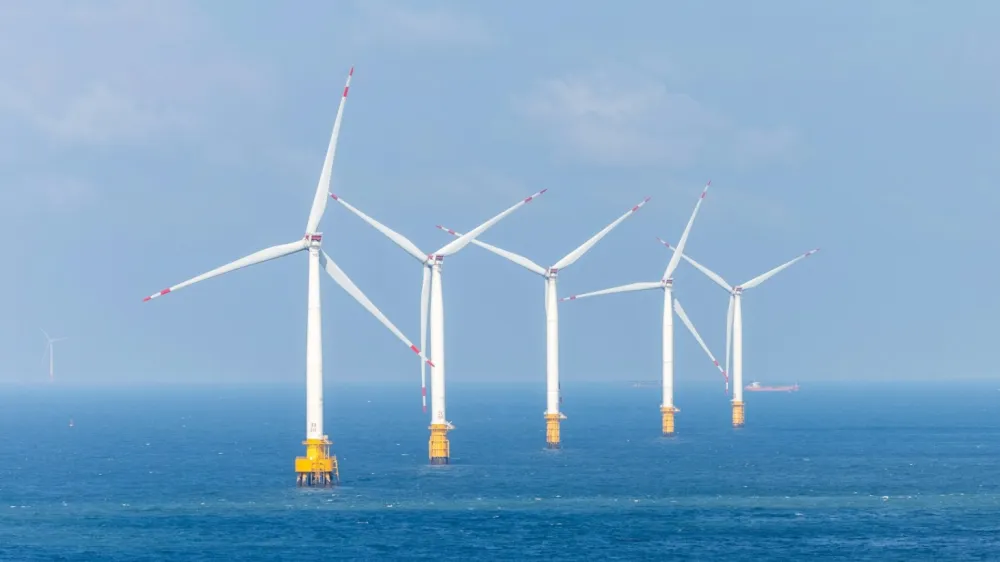
Renewable power investment is expected to reach $665b in 2026, with $365b directed towards solar.
Low-emissions sources will account for more than 70% of power generation investment, the agency noted.
Meanwhile, nuclear investment will exceed $80b annually, with around 80 gigawatts of capacity under construction across 15 countries.
The IEA also said coal investment will rise to $180b in 2026, the highest level since 2012, noting that China accounts for almost 70% of global coal supply spending.
The report states that some Asian countries may extend the life of coal-fired power plants to support energy security.
It adds that electricity investment will remain the largest component of global energy spending, with spending projected to reach nearly $1.6t in 2026, rising to $2t when end-use electrification is included.
Grid investment is also estimated to approach $550b, whilst battery storage investment will exceed $100b.
The agency said electricity demand growth from data centres and artificial intelligence is influencing investment patterns in some markets, including the US.
It reported that orders for gas-fired power plants reached a 25-year high in 2025, linked in part to data centre demand.
Turbine availability constraints in the US and the Middle East are also limiting deployment in other regions.
The IEA said the conflict has increased volatility in financial markets and raised long-term financing costs, adding that this effect may weigh on capital-intensive energy projects, particularly in emerging and developing economies.










 Read Here
 Advertise
 Sign Up