Japan's ammonia co-firing plan faces high costs, slow rollout
Achieving 20% co-firing across utility coal plants could require 20 MTPA of ammonia.
Japan’s plan to reduce coal emissions through ammonia co-firing faces cost pressures, limited supply, and slower-than-target deployment, according to the Institute for Energy Economics and Financial Analysis (IEEFA).
The Japanese government aims to achieve a 20% ammonia co-firing rate in coal-fired power plants (CFPPs) by 2030, increasing to 50% or more after 2030 and reaching 100% by 2050.
However, only one CFPP unit has achieved 20% co-firing at scale, whilst four others are expected to reach that level between fiscal years 2027 and 2030.
IEEFA estimates that 20% ammonia co-firing could cost between 145% and 220% more than onshore wind and between 240% and 464% more than commercial solar.
The analysis highlighted rising costs at the Blue Point Complex in Louisiana, US, which is expected to become a major source of low-carbon ammonia for Japan’s co-firing plans. The project’s estimated cost increased from more than $2b in 2022 to $4b in 2025.
The facility, developed by CF Industries, is expected to produce 1.4 million tonnes per annum (MTPA) of ammonia using natural gas and carbon capture and storage, with Japanese companies JERA (35%) and Mitsui & Co. (25%) holding stakes in the project.
JERA plans to import 492,144 tonnes of ammonia annually from Blue Point from 2030 for its Hekinan Thermal Power Station, Japan’s largest CFPP with 4.1 gigawatts of capacity.
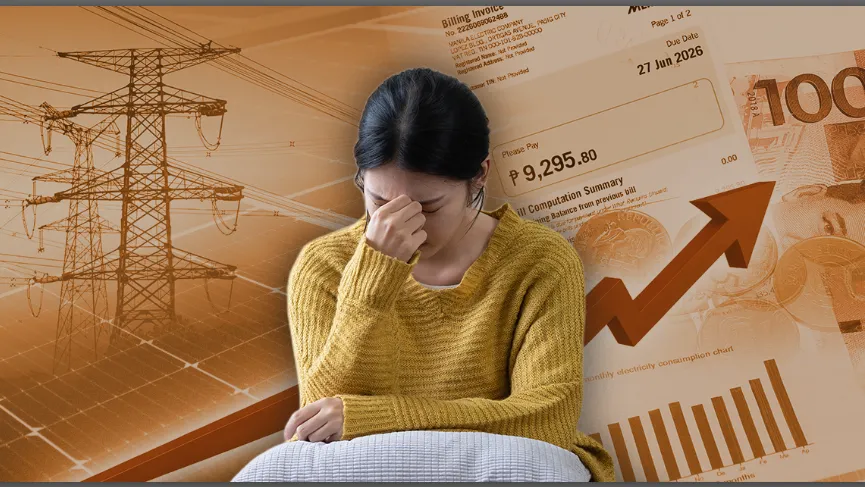
“Commercial viability of ammonia co-firing requires substantial government subsidies,” IEEFA said, adding that higher costs could increase electricity expenses for consumers.
Supply remains another challenge as Japan currently consumes about 1.08 MTPA of ammonia, but achieving 20% co-firing across regional utility CFPPs would require around 20 MTPA, equivalent to global ammonia trade volumes in 2019.
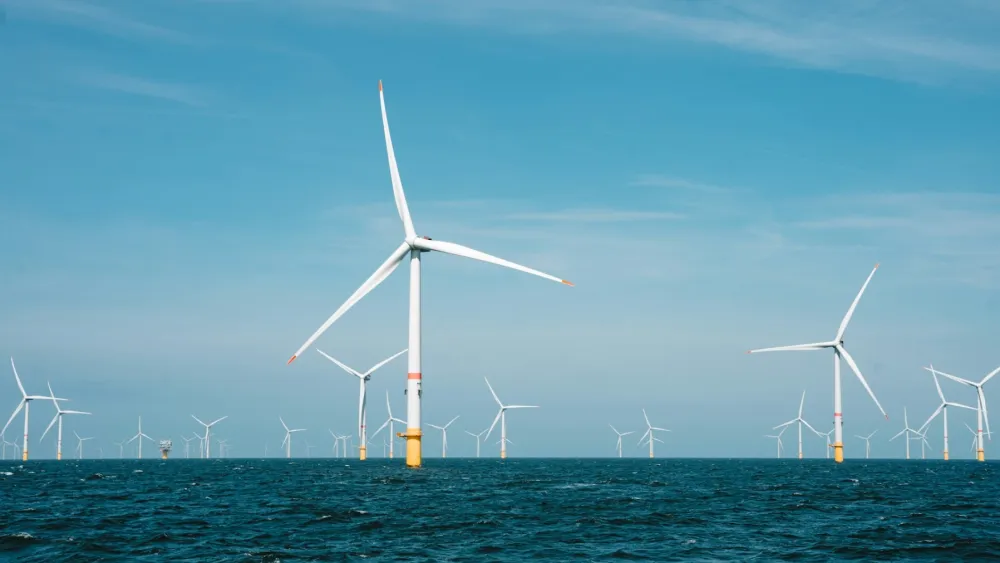
IEEFA said Japan could reassess its ammonia strategy by directing investment towards renewable energy, battery energy storage systems (BESS), and grid infrastructure.
“Expanding investment in renewable energy, BESS, and grid infrastructure could support emissions reductions, strengthen energy security, and reduce energy costs for businesses and households,” IEEFA said.











 Read Here
 Advertise
 Sign Up