The grid behind the energy transition
Digitalisation and AI are playing a leading role in transforming grids into smart, responsive systems.
Electricity demand across Asia continues to rise, fuelled by the growth of advanced manufacturing and digital industries, and the pursuit of decarbonisation goals. In Southeast Asia, electricity demand is expected to grow from over 1,300 TWh in 2024 to more than 2,000 TWh by 2035, according to the International Energy Agency (IEA).
At the same time, countries are integrating greater proportions of renewable energy and strengthening regional power interconnections to improve energy security and diversify their energy mix.
For utilities players, these developments are reshaping the role and construct of the electricity grid. Networks originally designed for one-way power flows are increasingly expected to support a more diverse, interconnected and dynamic energy system, whilst maintaining high levels of reliability.
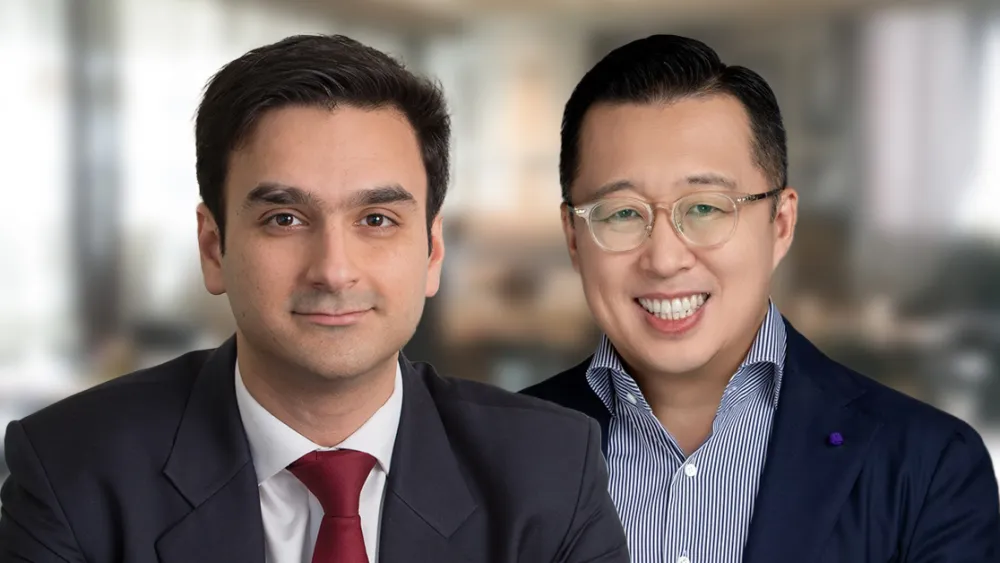
In an interview with Asian Power, Stanley Huang, Group CEO of SP Group and the Immediate Past President of the Association of the Electricity Supply Industry of East Asia and the Western Pacific (AESIEAP), points out this growing complexity is becoming one of the defining challenges for utilities.
"The grid is continuously evolving to keep pace with the economy it serves. What's different today is the rate of change. Utilities are responding to several shifts simultaneously. These range from electrification and digitalisation to renewable integration and regional interconnection. That fundamentally changes how we plan and operate the network."
In Singapore, these trends are already taking shape as the island nation pursues new engines of growth. Electricity demand is rising from energy-intensive industries such as data centres and semiconductors, in tandem with advancements in digital infrastructure and electrification. At the same time, greater deployment of rooftop solar, battery energy storage and regional electricity imports is reshaping how the grid is operated.
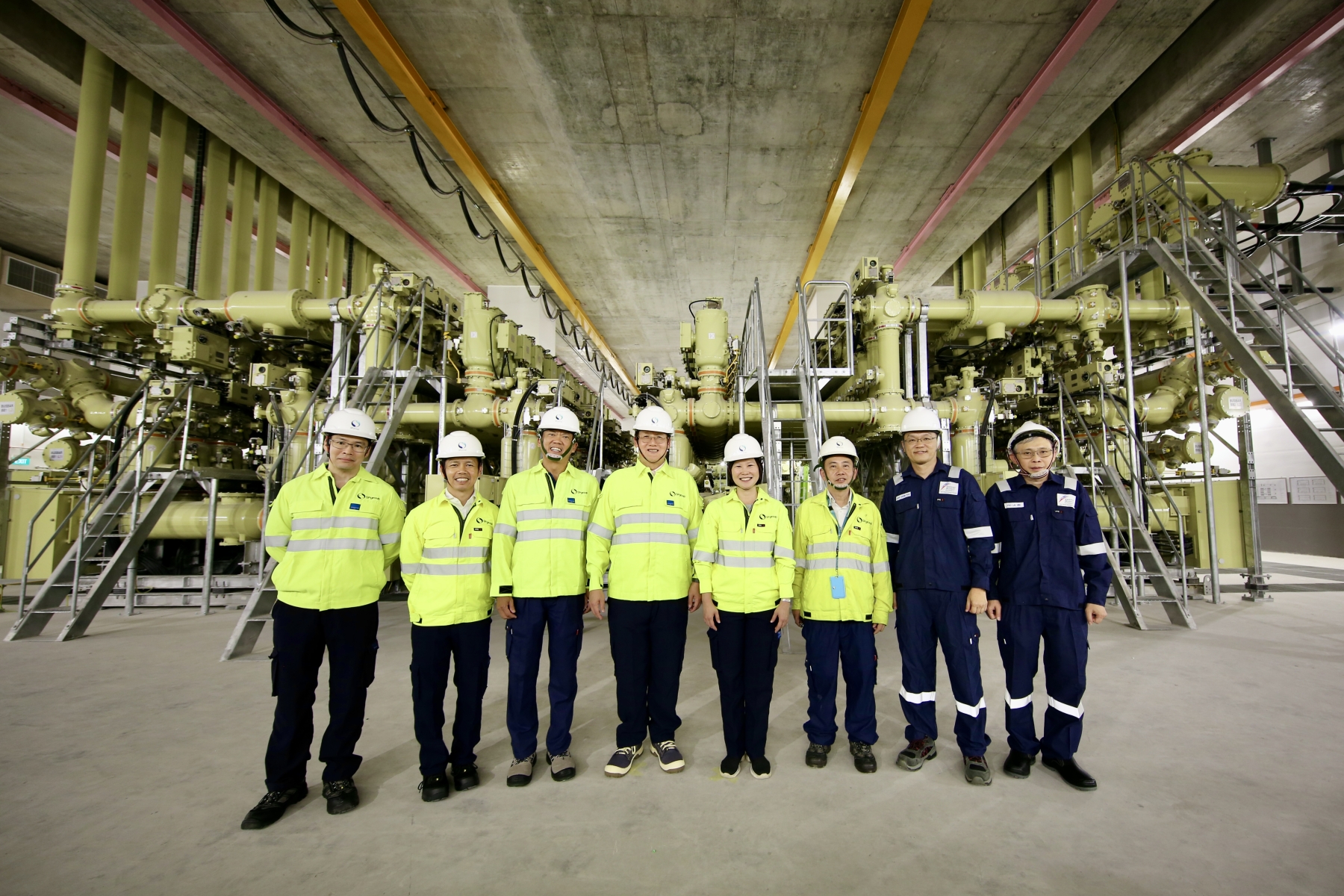
Meeting these evolving demands requires sustained investment in the physical network. SP Group’s 230 kV underground substation at Labrador, the largest in Southeast Asia, forms part of its long-term network renewal programme and will strengthen supply to key areas in southwestern Singapore where many heavy industries have been set up. Its underground design also optimises land use whilst building capacity and resilience in anticipation of future demand.
Infrastructure renewal is only one part of preparing the grid for the future. "Whilst physical investments are vital, it will be key to complement them with AI, data, and smart technologies. These will enhance predictive capabilities, improve system visibility, and enable operators to be more agile," Huang said.
Reinventing utilities through digitalisation
This approach underpins Singapore’s Future Grid Capabilities Roadmap, jointly developed by SP Group and the Energy Market Authority, to chart how one of the world's most reliable power grids will evolve with these wider trends. It also identifies the capabilities required for the next generation of grid operations.
Digitalisation plays a central role in this transformation. For SP Group, this includes leveraging Distributed Energy Resource Management Systems (DERMS) to coordinate growing numbers of distributed energy resources, alongside AI, advanced analytics, and digital twin technologies that strengthen grid monitoring, support predictive maintenance, and improve operational decision-making.
Huang added, "Digitalisation helps anticipate rather than react. Better visibility and predictive insights allow us to intervene earlier, mitigate potential risks, deploy resources more precisely, and optimise assets more effectively. Together, these capabilities provide the foundation for a more flexible grid whilst safeguarding reliability.”
Enabling Singapore's energy transition
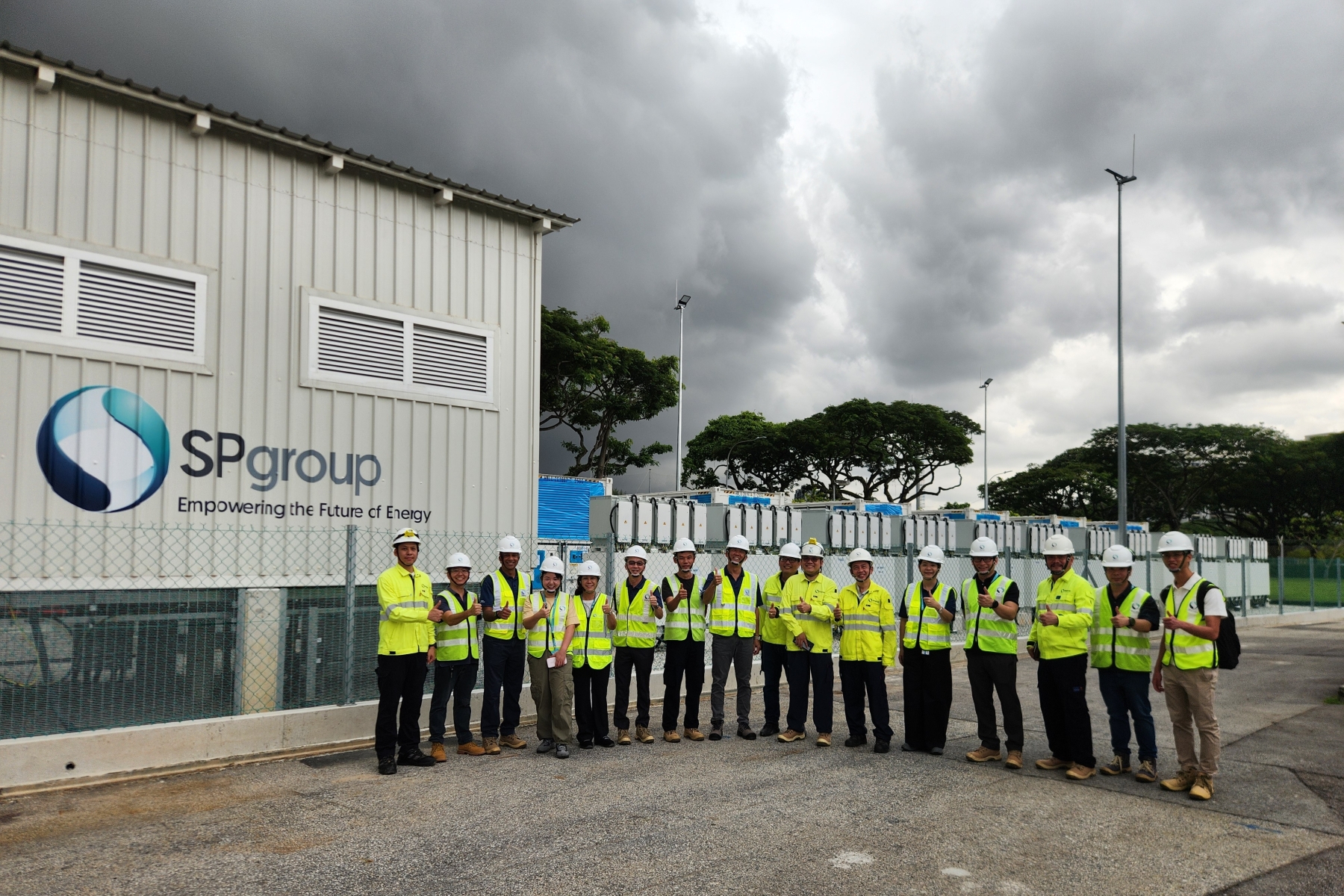
SP Group is building greater flexibility into the grid to support Singapore's energy transition by deploying a range of solutions that enhance the responsiveness of the grid and energy security. These include Virtual Power Plant (VPP) pilots to assess how distributed energy resources can be aggregated to provide system-level versatility. Battery Energy Storage Systems can also help address intermittency as renewable integration increases and aid in peak shaving.
Beyond the grid, SP Group is advancing the energy transition through sustainable energy solutions that improve efficiency and reduce demand at source. It has operated the world’s largest underground district cooling network at Marina Bay for two decades and has since extended the solution to brownfield developments. Amongst these are a distributed district cooling network in Tampines residential town and Singapore’s largest district cooling system at STMicroelectronics’ Ang Mo Kio campus. Both are the first of their kind in the nation. SP Group is also Singapore’s largest electric vehicle charging network operator, supporting the expansion of the nation’s charging infrastructure and its transition towards electromobility.
Although these initiatives span different parts of the energy ecosystem, Huang believes their value lies in how they work together.
"Success in the energy transition will depend on how effectively utilities integrate generation, networks, storage, demand-side solutions, and digital capabilities into a coherent energy ecosystem."
Extending grid integration beyond national borders
The same principle of integration will become increasingly important across national borders. As ASEAN advances regional power integration, Singapore's plans to import around 6 GW of low-carbon electricity by 2035 will require grids to align increasingly dynamic cross-border electricity flows together with domestic renewable generation.
Singapore has begun importing hydropower from Laos via Thailand and Malaysia through an electricity interconnector with Peninsular Malaysia, which accommodates bidirectional flows of around 1,000 MW. The feasibility of a second interconnector, which can support up to 2 GW of cross-border electricity trade, is being studied.
Huang believes closer operational coordination between grid operators will become increasingly important as regional electricity trade expands.
"Building transmission infrastructure is only the starting point. As electricity trade grows, closer coordination between system operators, common technical standards and trusted operational partnerships will become increasingly important to maintain stability across interconnected power systems."
Singapore's position as a major demand centre and financial hub enables it to contribute beyond electricity consumption. As regional electricity markets mature, Singapore can help facilitate investment, trading, and innovation whilst serving as a stable node within the broader ASEAN power system.
Growth underpinned by capability development
As power systems become increasingly digitalised and complex, SP Group places great importance on investing in people and capabilities. Huang emphasised the need for utilities to continuously upskill their workforce to manage new technologies and operational challenges. This includes equipping engineers with capabilities in artificial intelligence, data analytics, cybersecurity, and advanced grid operations underpinned by strong power system engineering expertise.
"The future grid will be shaped by the new generation of engineers and energy leaders. As technology evolves, developing the next generation of engineers with both digital and engineering capabilities is just as important as investing in the hardware."
For Huang, the energy transition is prompting utilities to rethink not only alternative energy sources, but how entire power systems are designed and operated.
"Technologies will continue to evolve, and so will the economic drivers. Our responsibility is to ensure the grid transforms along with them, remaining resilient enough to support growth whilst unlocking the opportunities of the energy transition."










 Read Here
 Advertise
 Sign Up