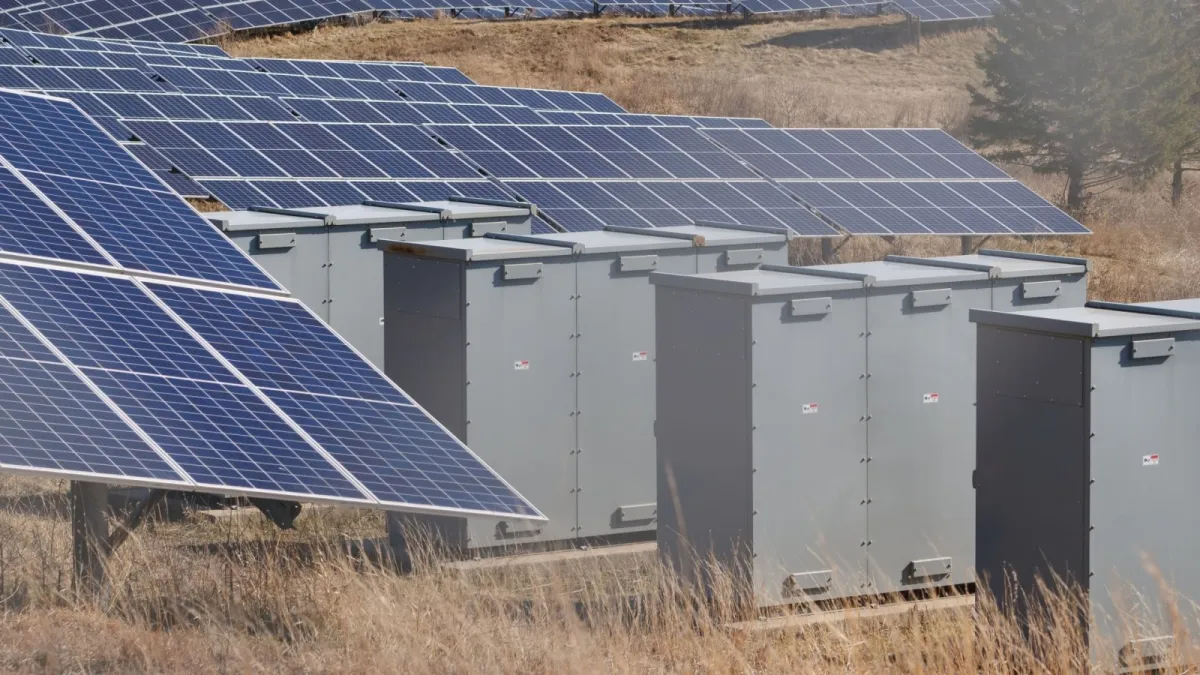
About $65b ASEAN renewable assets face climate risk, Zurich Insurance says
A $13b investment could reduce projected exposure from climate events.
Climate resilience investment is becoming a key factor in the bankability of renewable energy projects across ASEAN, with targeted spending shown to reduce potential losses and improve financing conditions, according to a report by Zurich Insurance.
The report estimated that around $65b in renewable energy assets across ASEAN could be exposed to climate risks, based on an assessment of 1,380 existing and planned generation sites (excluding Timor-Leste).
It found that 75% of total generation capacity could face severe climate risk exposure by 2030.
Zurich said an upfront investment of about $13b in resilience measures could reduce projected financial exposure from climate events by 40% to 50%, with an estimated return of 6.5 times the investment.
The report noted that ASEAN aims to raise renewable energy’s share of installed capacity to 45% by 2030, up from 33% currently, requiring about $190b in clean energy investment by 2035.
It added that physical climate risks are increasingly relevant to financing decisions, as lenders and insurers assess exposure to hazards such as wind, flooding, hail, and tornadoes.
Solar assets account for the largest share of exposure in the dataset, with around 80% of solar sites projected to fall into higher-risk categories by 2030.
Zurich said resilience measures are most effective when built into project design and construction, including site selection, engineering standards, and procurement requirements.
It added that these measures can affect both insurability and long-term performance.
The report also highlighted system-wide dependencies, noting that renewable projects rely on infrastructure such as grids, roads, and communications networks, which also require resilience planning.
It recommended climate risk screening at the planning stage, stress-testing of high-risk assets, integration of hazard-specific design standards, and clearer quantification of resilience benefits to support financing and insurance decisions.
Mark Fletcher, head of Zurich Resilience Solutions Asia Pacific at Zurich Insurance, said resilience considerations are increasingly part of project risk assessment, adding that forward-looking climate data can help investors and developers identify risks and prioritise resilience investments.
The report also modelled a scenario in which a severe hail event could cause up to 90% damage in a solar project without resilience measures, resulting in an estimated loss of about $178.5m and a recovery period of up to 21 months.
It said mitigation measures such as automated hail stow systems could reduce exposure and improve insurability and financing conditions.
Zurich said resilience planning is expected to play a growing role in determining access to capital as ASEAN expands its renewable energy capacity.

















 Read Here
 Advertise
 Sign Up