India’s power grid strains at night as cooling demand rises
Solar output falls after sunset whilst cooling remains elevated through the night.
India’s electricity system is facing rising pressure at night as cooling demand increases and solar power cannot meet after-sunset consumption, according to the International Energy Agency (IEA).
Electricity demand in India has grown at about 5% per year since 2019, driven by economic activity, population growth, and rising air conditioner use, with peak demand reaching 270 gigawatts (GW) on 21 May 2026, up from around 180 GW in 2019.
Cooling accounts for slightly more than 10% of annual electricity use. On hot summer nights, air conditioning can account for up to one-third of total power consumption.
Demand continues to rise after sunset as households switch on cooling systems in response to high temperatures.
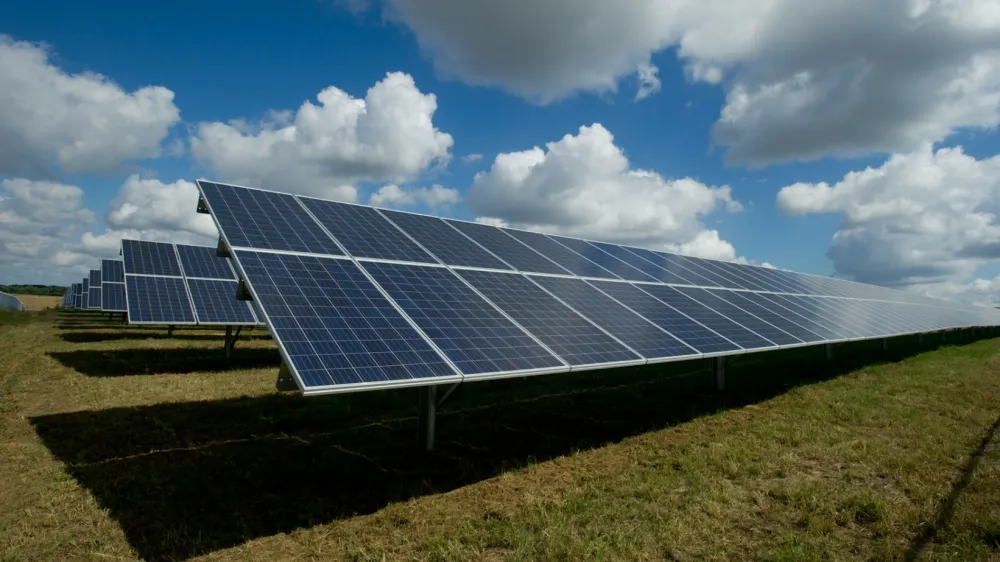
Solar photovoltaic capacity has accounted for around two-thirds of power capacity additions since 2019 and reached a record 50 GW of new capacity additions in 2025, but its generation does not contribute during night-time peak demand periods.
India’s peak net load occurs around 8 p.m. in summer and declines slowly overnight, but net load remains only around 10% lower than peak levels at 4 a.m., when solar generation is not available.
Electricity system operators rely on dispatchable generation to meet demand after sunset. On 21 May, dispatchable capacity reached around 90% of available output, leaving limited spare capacity to manage demand spikes or outages.
Coal plants provided about 40 GW of ramping flexibility on that day and reached nearly 92% of available capacity at peak output.
Coal capacity remains under expansion, with around 40 GW under construction. The fleet has shifted towards providing flexibility to balance solar output during the day and rising demand in the evening.
Battery storage provides short-duration support and can reduce peak demand and ramping requirements for thermal generation, whilst long-duration storage remains limited.
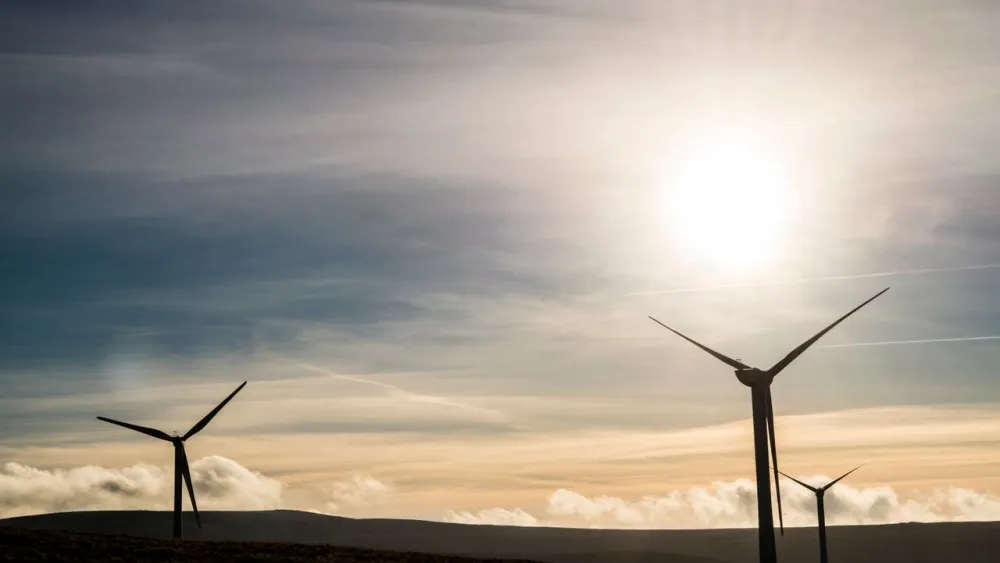
Pumped-storage hydropower faces constraints from social, environmental, and hydrological factors, whilst wind generation provides limited support during summer peak periods due to lower wind speeds.
Natural gas generation can respond to demand fluctuations, but turbine supply constraints and fuel security concerns limit deployment speed.
IEA projects cooling demand will more than double by 2035 under current policy settings as incomes and temperatures rise.
Air conditioning efficiency standards, building codes, and demand-side measures, including behavioural change initiatives, can reduce peak demand growth by up to one-quarter.
India’s electricity system faces uncertainty over temperature trends, cooling adoption rates, and the deployment of storage technologies, affecting reserve margins and system reliability during periods of high demand.









 Read Here
 Advertise
 Sign Up