ACEN develops 948MW renewable energy hub in the Philippines
Company also begins construction of 1,660MWh battery storage systems.
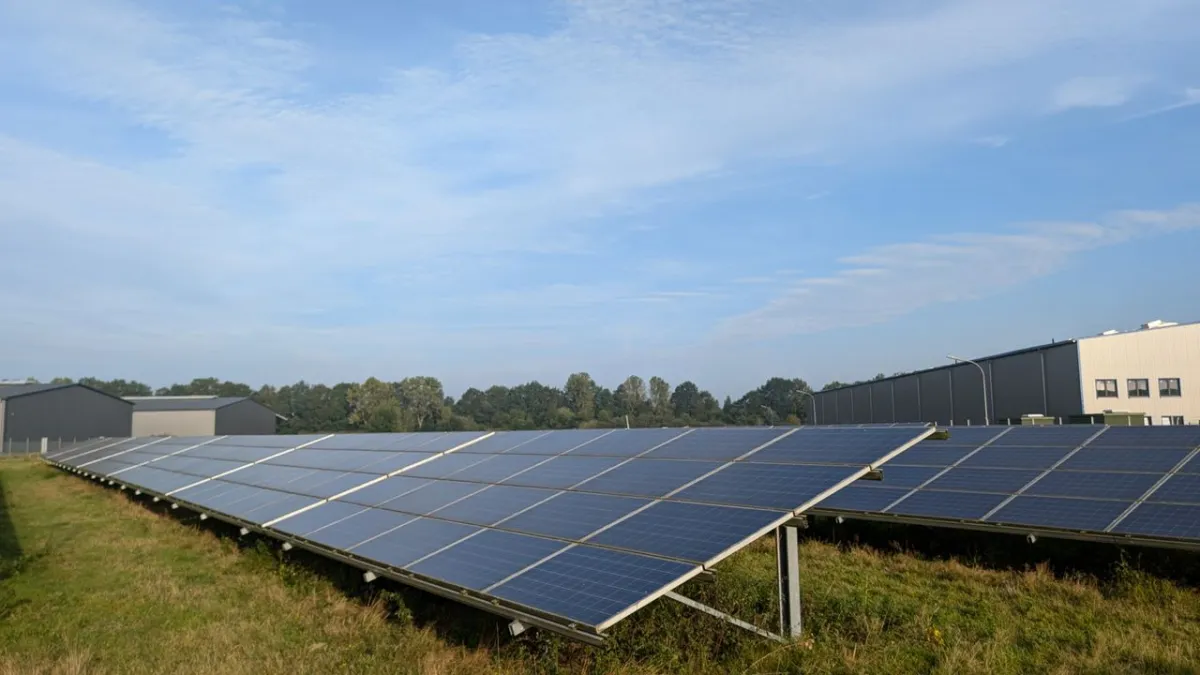
ACEN is developing a 948MW renewable energy hub in Zambales, Philippines, comprising solar and battery storage projects.
The portfolio includes the 585MW SanMar Solar project, which was built across more than 500 hectares of previously unused lahar-covered land, and the 363MW Palauig Solar project, one of the country’s largest solar developments.
Around 450MW of the combined solar capacity is already operational, whilst the remaining capacity is under construction and expected to be completed by 2027.
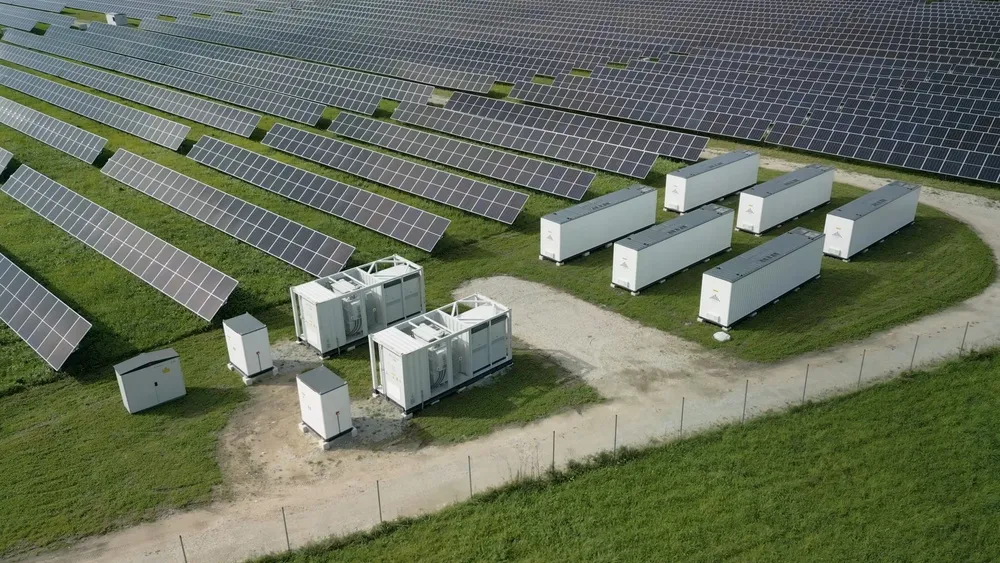
ACEN has also started construction of 1,660MWh of battery energy storage systems (BESS) across its Zambales solar facilities to store excess renewable energy and support electricity supply during peak demand periods.
Once fully operational, ACEN’s Zambales solar facilities are expected to generate around 1,400GWh of clean electricity annually, enough to power approximately 340,000 households and reduce reliance on imported fossil fuels.
The company has completed 14km of transmission infrastructure connecting its renewable energy facilities to the Luzon grid, with another 22km under construction.
ACEN said the projects have also created local employment, with around 80% of the workforce coming from nearby communities, including members of the Ayta Indigenous Peoples community.
The company has also built around 6km of roads and bridges to improve access for remote indigenous communities, helping reduce travel times and improve connectivity to schools, hospitals and markets.
“Renewable energy projects should create value far beyond the electricity they generate,” said Miguel de Jesus, managing director and COO for Philippine Development and Operations at ACEN. “In Zambales, we are not only building one of the country’s largest renewable energy hubs—we are investing in infrastructure, creating local jobs, supporting indigenous communities, and strengthening the country’s long-term energy security.”
ACEN said the Zambales renewable energy hub will also contribute to the Philippines’ energy transition by reducing dependence on imported fuels and exposure to fuel price volatility and foreign exchange fluctuations.
Once fully operational, the projects are expected to avoid around 800,000 tonnes of carbon dioxide emissions annually, equivalent to removing approximately 175,000 gasoline-powered cars from the road each year.

















 Read Here
 Advertise
 Sign Up