Victoria declares 5 onshore RE zones amidst coal exit pressure
It also announced one offshore-support shoreline zone.
Australia’s Victorian Government has declared five onshore renewable energy (RE) zones and one offshore-support shoreline zone as part of its electricity transition planning.
The government has designated the South West, Central Highlands, Gippsland, Western, and North West regions as RE zones.
It has also declared the Gippsland Shoreline Renewable Energy Zone, which will host underground cables connecting offshore wind projects to the electricity grid.
Alistair Parker, CEO of VicGrid, said the zones will improve coordination of solar, wind, and battery projects and reduce the need for additional transmission infrastructure.
“Victoria’s coal-fired power stations are due to close over the next 10 years and a significant amount of new RE development is needed to make sure we can meet increasing demand for electricity,” Parker added.
He continued that the zones would guide where RE development should take place and support project coordination, whilst setting expectations for how projects connect to the grid and engage with communities.
VicGrid will establish rules on grid access for projects within the zones, including requirements for community engagement and benefit delivery.
The government designed the zones to use existing infrastructure and limit impacts on regional communities, the environment, landholders, and industries including agriculture.
This comes as the 2025 Victorian Transmission Plan proposed six onshore RE zones and one Gippsland shoreline zone.
The government has now declared five onshore zones and the shoreline zone as consultation continues on a proposed Central North zone.
The government based the zones on a statewide land use assessment and more than two years of consultation with regional communities, landholders, Traditional Owners, and industry groups.
It adjusted boundaries after consultation and removed some areas from the original proposal, including part of the South West zone.
The zones focus on areas where agricultural activity such as dryland cropping and grazing can co-exist with RE development, excluding areas with intensive agriculture and irrigated land where possible.
Inclusion in a RE zone does not change land zoning, as planning laws and approval processes remain unchanged and landholders retain control over whether to host projects.
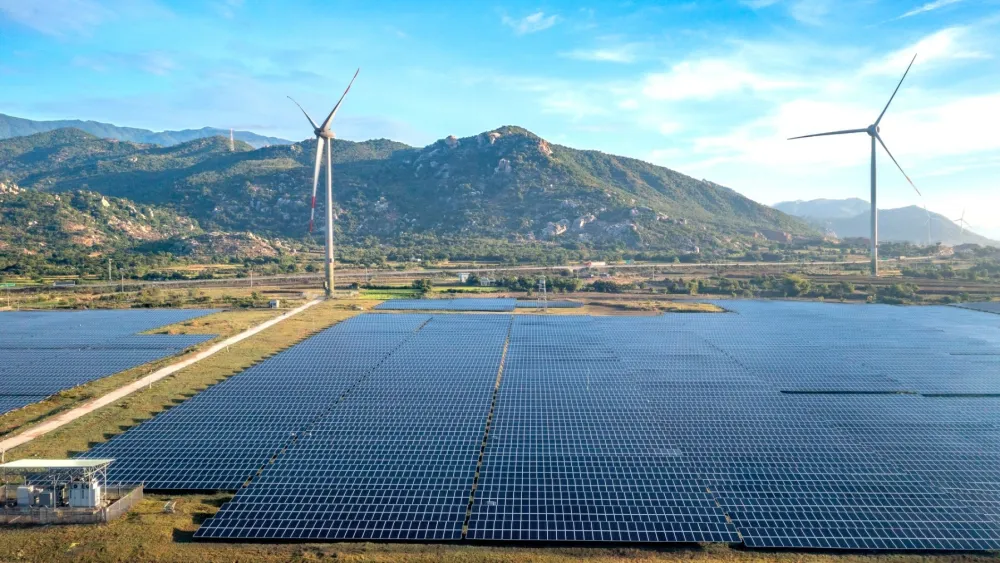
The government said only a small proportion of land within each zone will be required for infrastructure, including wind turbines, solar panels and access roads.
VicGrid has also released draft 2026 Victorian Transmission Plan guidelines for consultation, which will set out the approach to the next transmission plan covering a 25-year outlook for electricity generation and transmission needs.
















 Read Here
 Advertise
 Sign Up