
Diversification into nuclear will future-proof ASEAN's demands
By Trung GhiStriking a balance between energy security and net zero agenda is no easy feat.
Southeast Asian economies are easing their hyper-cautious stance to renew the momentum for nuclear adoption, in their search for long-term energy solutions, and rightfully so.
The region now stands at a critical nexus to strategise the best steps forward that will redefine ASEAN’s energy ecosystem for decades to follow.
Balancing energy security with net zero agenda
It should not come as a surprise that Southeast Asia’s overall demand for power is projected to triple by 2050.
Amidst ongoing geopolitical uncertainties, ASEAN nations still strive to uphold their export competitiveness. Amongst fast-growing manufacturing hubs like Vietnam, electricity demand is estimated to correspondingly rise by 1.5% for every 1% of economic growth.
Adding to the challenge, governments must also balance resilience-building agenda with their respective pledges to achieve net-zero emissions.
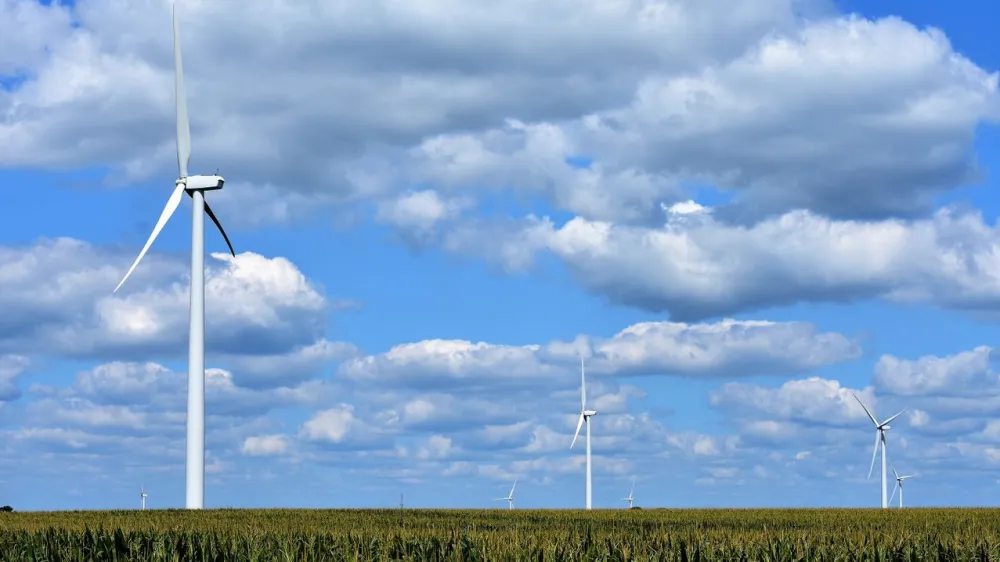
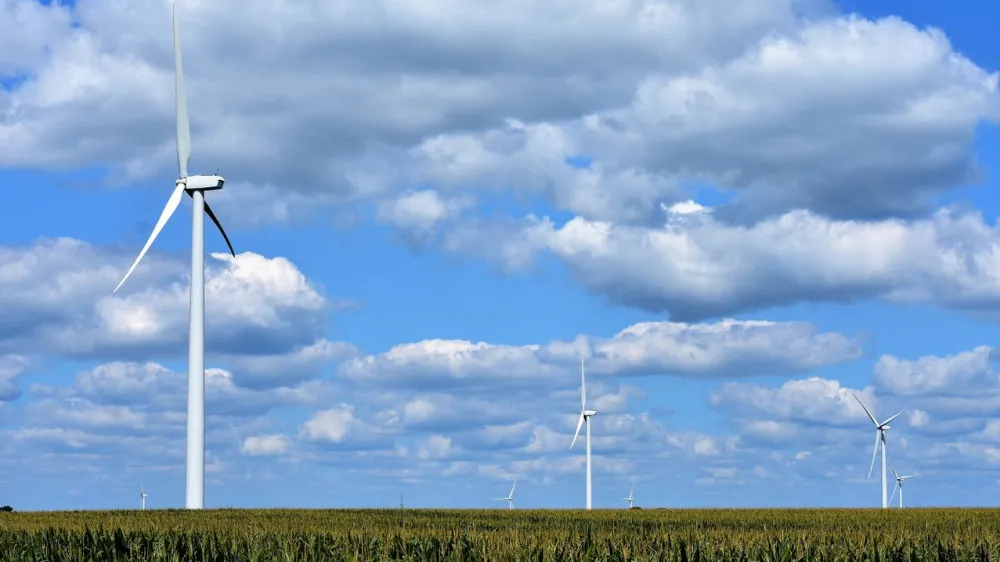
Addressing these conflicting goals at play, renewable energy appears the obvious solution. However, not all countries are blessed with resources required for solar or offshore wind. These further face geopolitical obstacles fuelling volatile pricing.
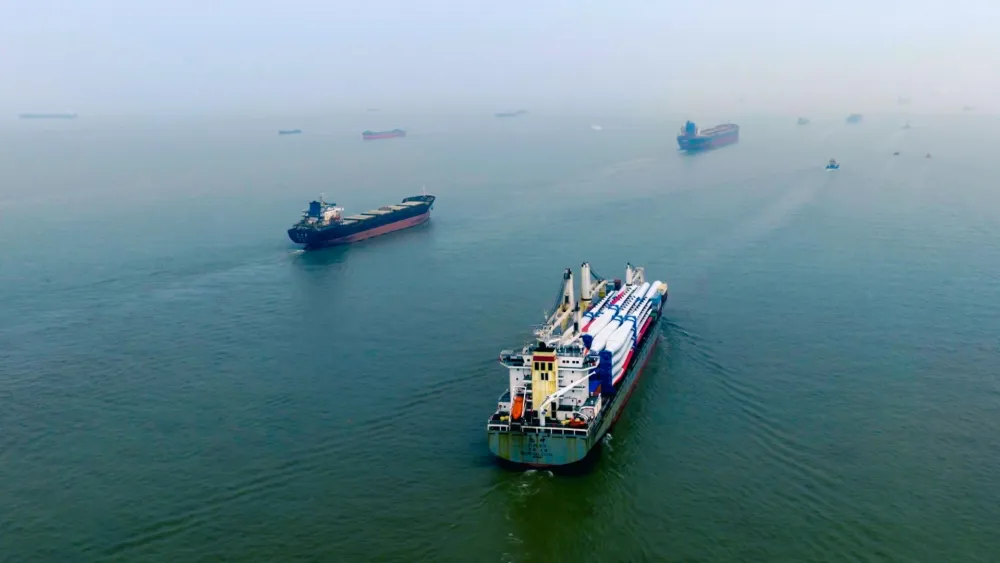
With China alone producing 95% of gallium and two-thirds of rare earth elements globally – their latest export curbs could undermine crucial productions of wind turbines and solar panels. Vietnam, whose clean energy transformation momentum is among the most pronounced in ASEAN, now faces up to 542.6% US tariffs against solar panel exports, jeopardising key production sectors vital for renewable energy infrastructure.
Even with these limitations, resource constrained countries like Singapore have been taking steps to future proof their energy mix.
For instance, the latest launch of the Singapore Nuclear Research and Safety Institute marks a strategic move to build local expertise in nuclear energy and safety, signalling the nation’s possible preparation for next-generation energy solutions.
Here is where nuclear power can make the difference.
Compared to resource-intensive solar infrastructure, nuclear energy requires 17 times less material and 46 times less land.
Its efficiency as a dispatchable source of green energy makes it a scalable solution to strengthen Southeast Asia’s path towards energy security and carbon neutrality.
That said, nuclear power brings its own set of challenges.
As such, governments must establish clear-cut roadmaps to navigate issues unique to nuclear infrastructure: waste management, supply security for uranium, and forging institutional expertise.
Framing nuclear as long-term solution
In light of ongoing energy diversification efforts, nuclear power must form an integral part to the two-pronged initiative of resilience-building and decarbonisation.
Currently helping to avoid over 1 gigatonnes of global CO2 emissions annually, nuclear power is a pivotal enabler for the renewable energy transition movement, acting as essential energy backup and base load power for the overall grid.
Consequently, major Southeast Asian economies now see nuclear power as the ultimate answer to their overarching paradox.
Projected to be the first in ASEAN to achieve full-scale operations, Indonesia’s first power plant is projected to go on-grid by 2032. Meanwhile, Vietnam’s revived nuclear energy programme reflects its grand ambition to make two-thirds of domestic sources of power capacity renewable by 2050.
Emerging nuclear players also stand to benefit from catering to rising clean energy demands. To accommodate shifts in the region’s energy supply chain, crucial expansion of cross-border electricity networks proves necessary. Notably, Vietnam has formed comprehensive partnerships with Malaysia, Indonesia, and Singapore for undersea cable development – further aligning with the ASEAN Power Grid initiative and strengthening the bloc’s position as intercontinental energy grid junctions.
Beyond electricity, nuclear applications extend to district heating, hydrogen production, desalination, and industrial heat — broadening its value proposition for ASEAN’s water-stressed and industrialising economies.
Prudent financing and capacity-building
Nuclear energy’s chief drawback lies in its capital-intensive upfront costs. Unlocking investments will require robust public-private partnerships and innovative financing structures, including blended finance and green bonds. To make projects bankable, governments must mitigate risk-return perceptions tied to long construction timelines.
A social licence to operate is just as critical as technical and financial readiness.
Long-term viability of nuclear infrastructure depends on public perception. Most recently, Vietnam and the Philippines updated their Law on Atomic Energy and passed the famously-coined ‘PhilATOM bill respectively. Learning from the Fukushima accident, these efforts will be crucial towards addressing all safety and environmental concerns, for which governments and utility stakeholders must uphold ultimate transparency.
On the technological capacity-building front, small modular reactors (SMRs) are increasingly seen as game-changers. Their scalability, shorter build times, and potential for deployment in remote or industrial sites carry the promise of a more flexible nuclear pathway for ASEAN.
Indonesia’s plan to incorporate SMR technology into the energy mix further highlights the need for regional knowledge-sharing and partnerships with more advanced nuclear economies like Japan, South Korea, and the UAE.
These strategic exchanges of know-hows will foster cross-sector and cross-border collaborations required to navigate the current shortage of nuclear specialists and technical expertise within the region.
Conclusion
ASEAN countries stand to gain from devising hybrid energy ecosystems that strategically integrate nuclear and renewable power sources within their energy portfolio.
These efforts, coupled with enhanced power grid interconnectivity and prudent financing, will future-proof the energy ecosystem against shifting supply-demand dynamics.
The path forward requires realism in timelines, innovative financing, regional cooperation – and above all, public trust. With the right policies, ASEAN can achieve a resilient, low-carbon future.
Nuclear power — complementary to renewables — constitutes a decisive step toward long-term energy security and net-zero emissions that will define the region for generations to come.

















 Read Here
 Advertise
 Sign Up