Solar Philippines unit secures over 2000-hectare landbank
This is in pursuit of its goal to be the ‘world’s largest solar farm.’
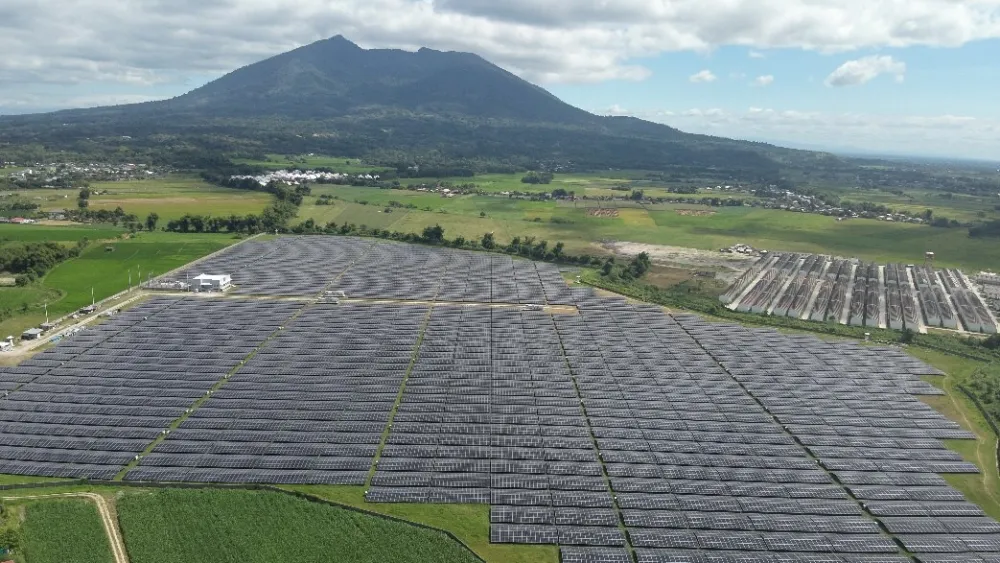
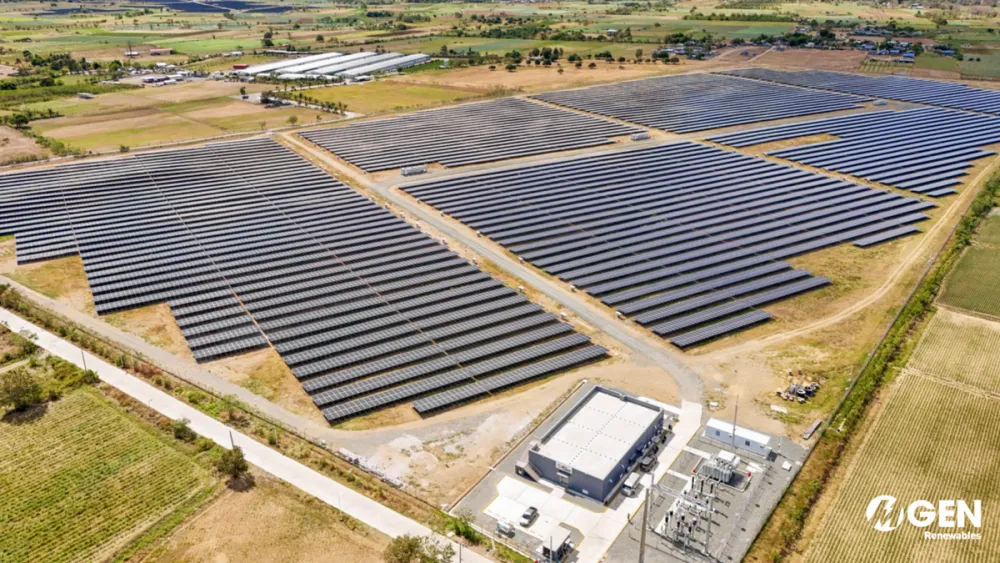
Solar Philippines unit SP New Energy Corporation (SPNEC) reported it has exceeded 2,000 hectares of landbank for its plan to be the “world’s largest solar farm.”
“We expect the updated tally to be reflected in our next quarterly report, from which our public shareholders should have a better appreciation of the assets in SPNEC,” Solar Philippines founder Leandro Leviste said.
“Since our Stocks Rights Offering, we have prioritized the execution of the project that we see has the highest value. After we perfect the documentation for these hundreds of parcels and then conversion, this land would be ready for a solar project. Our focus now is to realize the value from this, and we will provide further updates at the appropriate time.”
Read more: SPNEC to complete share swap with Solar Philippines by end-2022
SPNEC noted that the planned 2,000-hectare solar farm could exceed the 2.2GW capacity of India’s Bhadla Solar Farm.
It could also go over the capacity of the Philippines’ grid-connected solar, as of August 2022.


















 Read Here
 Advertise
 Sign Up