Market pricing squeezes renewable margins and slows capacity expansion in China
Solar and wind expansion cools as profitability replaces scale driven investment model.
China’s renewable energy system reached a structural turning point in 2025, with renewables accounting for about 47% of total installed capacity and generation exceeding 4,000 terawatt-hours (TWh), according to S&P Global Ratings.
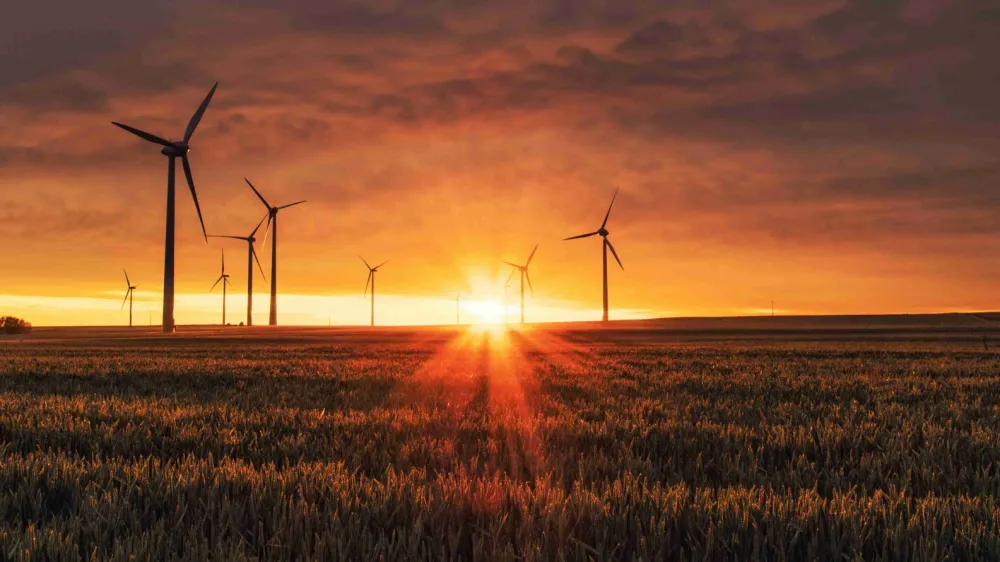
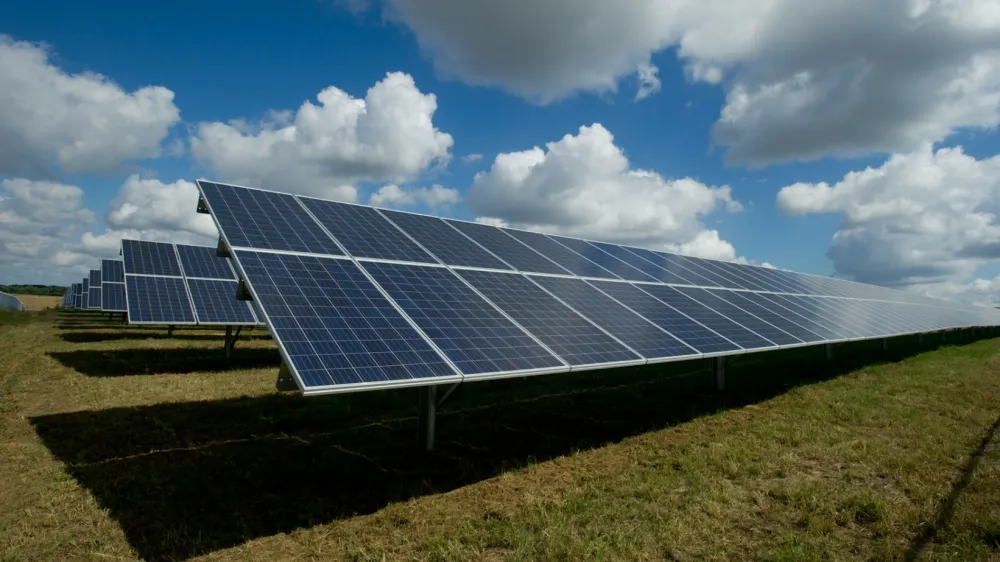
Electricity traded through market mechanisms rose to 6,639 TWh, as pricing reforms and oversupply reshaped sector economics. Solar and wind now drive more than 80% of incremental electricity demand growth, even as margins come under pressure.
The sector is shifting from rapid capacity expansion to a more profit-focused phase, with generators increasingly selling power through annual contracts and spot markets, raising exposure to price volatility.
Earlier subsidy-driven expansion has led to excess capacity in both solar and wind, weighing on prices and slowing expected new additions in 2026.
China’s electricity demand is projected to reach around 13,000 TWh by 2030, up about 25% from 2025, driven by electrification from electric vehicles, data centres, and advanced manufacturing.
Coal’s share of the energy mix continues to decline as non-fossil sources expand.
Grid constraints remain a key bottleneck, with renewable generation in some regions exceeding local demand and increasing curtailment risk.
To address this, state grid operators plan nearly $730b (RMB5t) in capital expenditure between 2026 and 2030 for ultra-high-voltage transmission, interconnections, and storage systems.
Storage capacity has nearly doubled year on year and now represents more than 40% of global capacity, with authorities aiming to triple it over the next five-year period to improve system flexibility.
Despite strong scale advantages from China’s integrated supply chain—keeping solar, wind, battery, and grid equipment costs below global peers—the sector is under financial strain.
The four largest solar panel producers recorded combined net losses of about $3.5b in 2025 due to oversupply and price competition.
S&P Global said consolidation is continuing across upstream segments such as polysilicon, wafers, and cells.
Independent power producers are facing tighter margins as market exposure increases, whilst state-owned utilities retain support through regulated mechanisms and access to lower-cost financing.
(US$1 = RMB6.85)












 Read Here
 Advertise
 Sign Up