India's power sector emissions drop for second time in 50 years
Over half of its carbon emissions come from coal for electricity generation.
Carbon dioxide emissions from India’s power sector slightly fell by 1% in the first half (H1) of 2025, only the second drop in almost half a century.
According to the Centre for Research on Energy and Clean Air (CREA), more than half of India’s carbon dioxide output comes from coal used for electricity and heat generation, making this sector the most important by far for the country’s emissions.
The second-largest sector is fossil fuel use in industry, which accounts for another quarter of the total, whilst oil use for transport makes up a further eighth of India’s emissions.
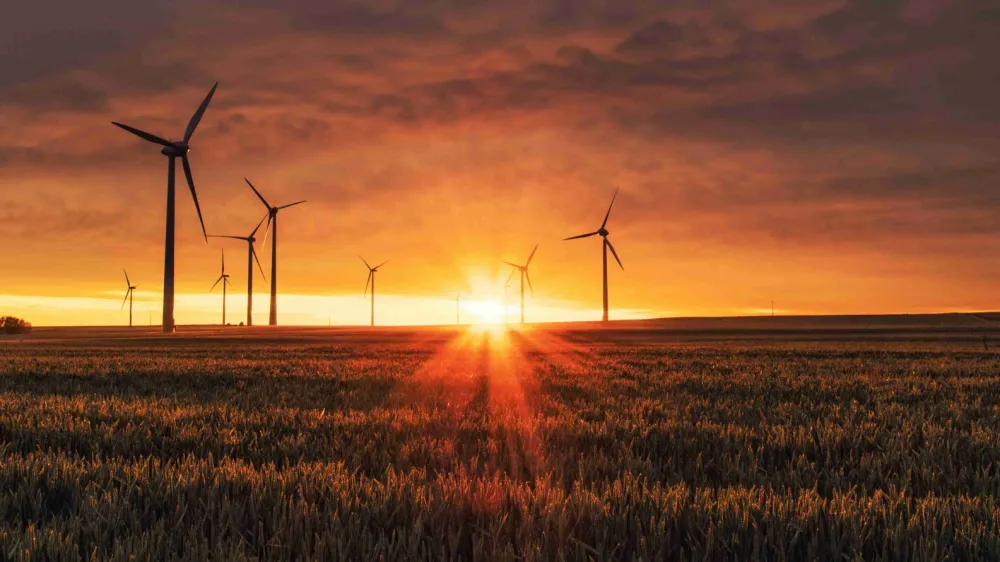
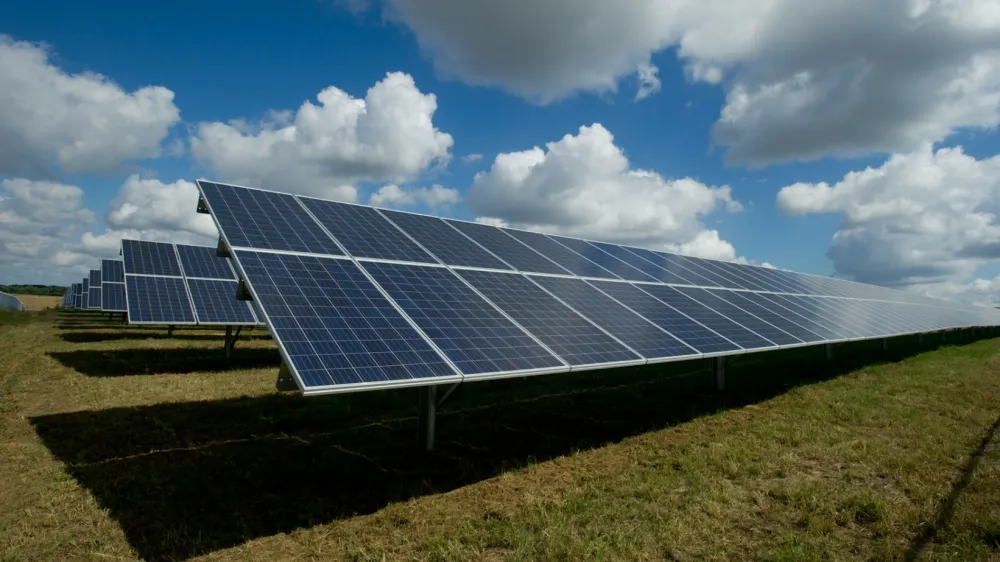
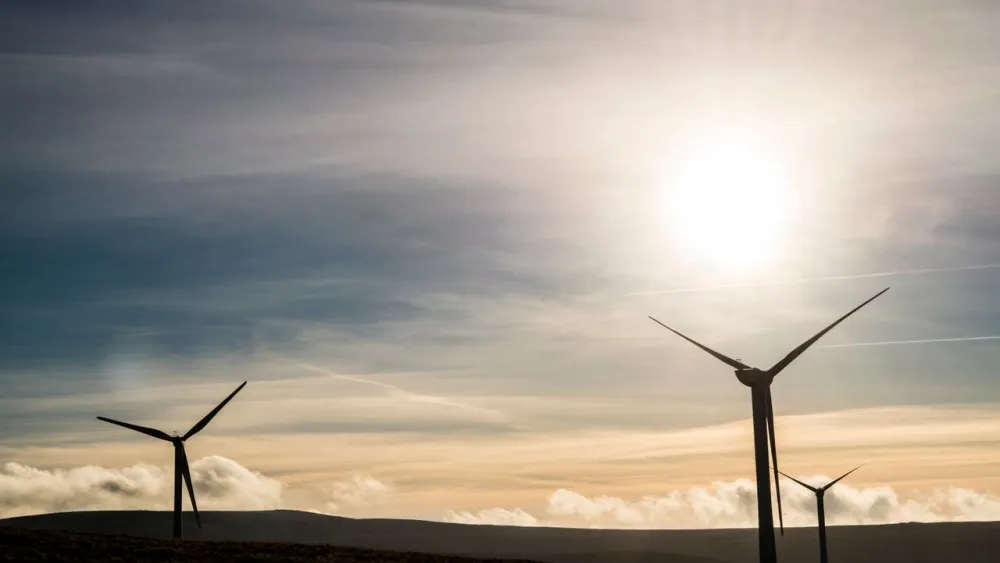
Meanwhile, India’s clean-energy capacity reached a record 25.1 gigawatts (GW) in H1, up 69% year-on-year.
The new clean energy capacity is expected to generate nearly 50 terawatt hours of electricity per year. This capacity is nearly sufficient to meet the average increase in demand overall.
“The future of carbon dioxide emissions in India is a key indicator for the world, with the country – the world’s most populous – having contributed nearly two-fifths of the rise in global energy-sector emissions growth since 2019,” CREA said.
















 Read Here
 Advertise
 Sign Up