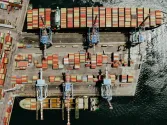
Fossil fuels met all ASEAN power demand growth in 2023
Renewable capacity must increase three to five times from 2023 levels by 2035.
ASEAN’s electricity demand increased by 3.6%, or 45 terawatt-hours (TWh), in 2023, with the entire rise met by coal and gas generation, according to an Ember report.
Fossil fuels accounted for 74% of the region’s electricity generation, including 44% from coal. The share of renewables declined to 26% from 28% in 2022.
Increased coal and gas consumption pushed ASEAN’s power-sector emissions up 6.6% to 718 million tonnes of carbon dioxide.
The increase exceeded 44 million tonnes, marking the largest absolute annual rise since 2019. Indonesia and Viet Nam accounted for approximately 78% of the additional emissions.
Hydropower generation declined by 21 TWh, or 9.5%, despite the addition of 0.5 gigawatts (GW) of capacity. Ember said the drop highlighted the sector’s exposure to droughts and increasingly unpredictable weather conditions.
Meanwhile, non-hydro renewable generation grew by only 8.5 TWh, which was insufficient to keep pace with rising demand.
Solar capacity increased from 11 GW in 2019 to 26 GW in 2023, largely driven by expansion in Viet Nam. Across ASEAN, about 21 GW of solar capacity was added between 2018 and 2023.
Based on the region’s electricity-demand growth rate from 2018 to 2023, consumption could reach 1,626 TWh by 2030, representing a 30% increase from 2023.
Ember said published decarbonisation pathways indicate that ASEAN must expand renewable capacity to between three and five times its 2023 level by 2035.
Cost declines have made several renewable technologies more competitive than fossil fuels. Solar generation cost approximately US$38 to US$46 per megawatt-hour in Viet Nam and Thailand, compared with nearly US$60 for coal.
Bioenergy remained more expensive at between US$59 and US$98 per megawatt-hour in Indonesia, Malaysia and Thailand, whilst hydropower cost approximately US$25 in Laos.
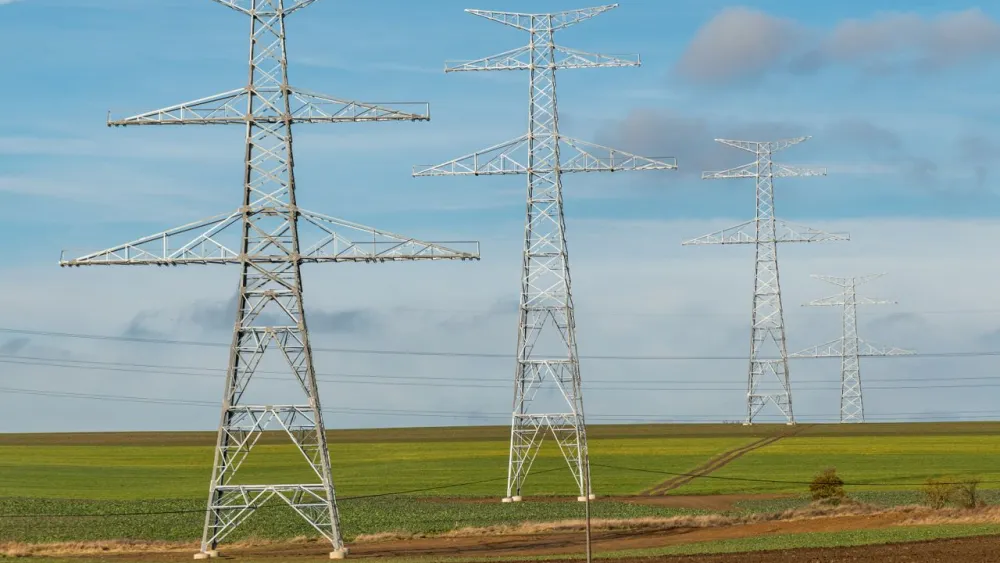
The report identified regional grid interconnection as a key measure for expanding renewable energy. Solar and wind output across ASEAN countries can complement each other at different times of the day and year, helping balance electricity supply.
However, only eight of the region’s 18 planned interconnection projects had been completed, providing 7.7 GW of cross-border transmission capacity.
The Lao PDR–Thailand–Malaysia–Singapore Power Integration Project remained ASEAN’s only multilateral electricity-trading arrangement.
Ember recommended modernising power grids, strengthening regional interconnections, expanding direct renewable-energy purchases and rooftop solar, and replacing captive coal generation with renewable alternatives.
The report also called for stronger carbon-market rules, better-targeted private investment and improved electricity-data transparency across ASEAN.
Published in October 2024, the report mainly analysed 2023 data and noted that differences in data availability across ASEAN countries may affect regional comparisons and projections.











 Read Here
 Advertise
 Sign Up