Tuas Power to complete Singapore’s first 100% biomass conversion by 2028
The landmark project will cut one million tonnes of carbon emissions annually.
Tuas Power is preparing to achieve a major milestone in Singapore’s energy transition—completing the nation’s first 100% biomass conversion by 2028.
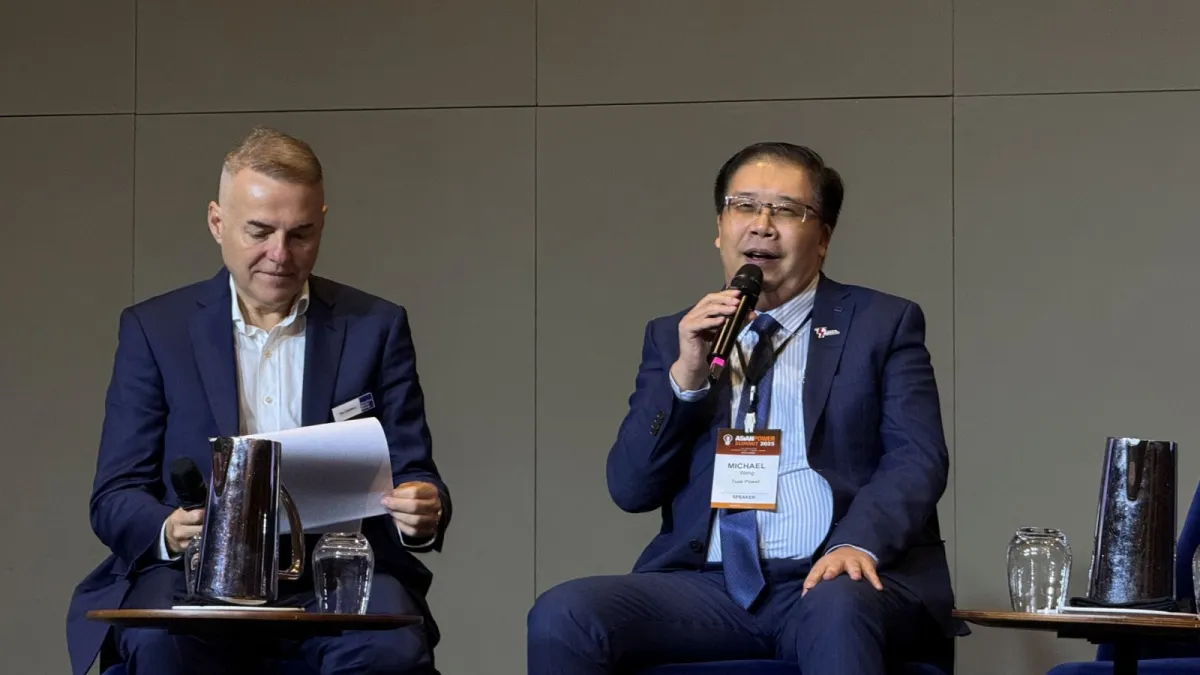
Speaking at the Asian Power Summit 2025, Michael Wong, chief operating officer of Tuas Power, outlined how the company’s Tembusu Multi-Utilities Complex on Jurong Island will transition from coal and biomass co-firing to running entirely on renewable biomass.
“The exciting moment is now we have a plan to convert it into 100% renewable biomass by 2028,” Wong said. “By doing so, we can reduce the carbon emission by 1 million tonnes of CO₂ per year.”
The project, he explained, will deliver reductions equivalent to “close to 20% of the national target of the reduction by 2030,” and will phase out unabated coal “22 years ahead of the original national target.” The plant, which began operations in 2013, currently provides “900 tons per hour of steam, plus 133 megawatts of power” to industrial customers on Jurong Island.
“This will allow our customers on Jurong Island to use green steam and green electricity,” Wong said. “They can immediately benefit from reduced Scope 2 emissions once the conversion is completed.”
The initiative forms part of Tuas Power’s wider effort to “accelerate the commercial to low-carbon future for Singapore,” aligning with the nation’s Green Plan 2030 and its 2050 net-zero goals. Wong highlighted that biomass is “a low-hanging solution” that can “run 24-7” and deliver “more reliable, non-intermittent supply of green electricity.”
In addition to emissions reduction, Wong emphasised that the transition strengthens industrial competitiveness.
“Imagine those customers who are buying the green electricity, auto green, utilities from our plants,” he said. “They become green supplier to their customers as well.”
Beyond decarbonisation, Tuas Power’s biomass conversion also aims to establish new regional capabilities.
“We are building up a very important capability, not just for Singapore, but on a regional basis. How to get the right certification, to make sure that it’s converted into green solutions, is very important,” Wong explained.
“We think we need to work together, in collaboration with all our partners, including our customers, suppliers, government bodies, and investment partners,” he added.
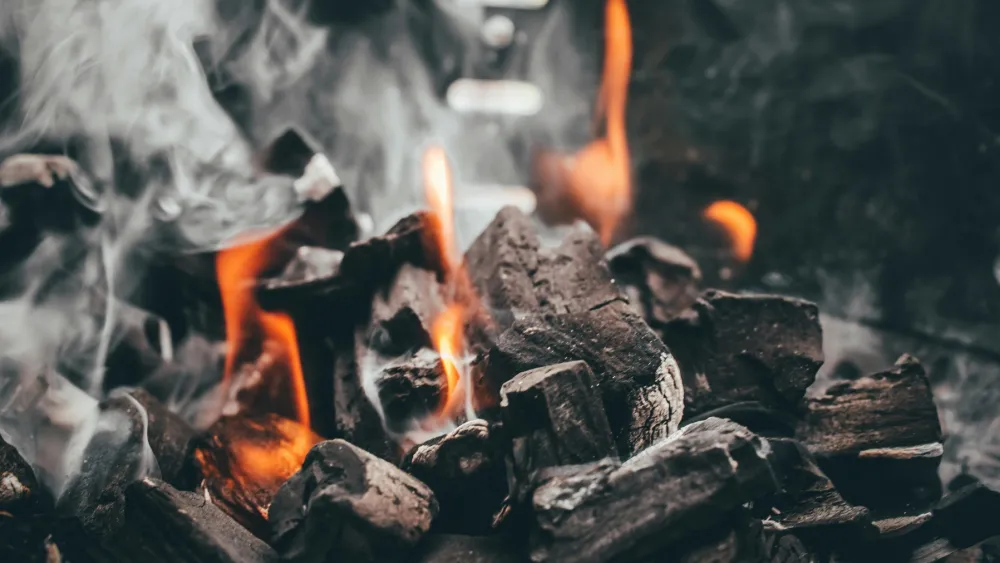
By turning waste wood and imported biomass into energy, the project will create a sustainable, circular model that supports both energy security and affordability.
“It helps to strike a very good balance to provide a 24-7 more reliable, run intermittent supply of electricity, green electricity, and green utilities for the customers—and the sustainability have to reduce 1 million carbon dioxide emissions per year,” Wong said.









 Read Here
 Advertise
 Sign Up