Southeast Asia races to redesign energy security amidst ME conflict, report says
All six markets have announced nuclear ambitions for 2030 to 2037.
Whilst showing resilience to the limited near-term impact of the ongoing Middle East conflict, Southeast Asia is likely to speed up reassessment of generation strategies, according to a Wood Mackenzie report.
The report said that regulated pricing and long-term liquefied natural gas (LNG) contracts are expected to shield most markets from severe near-term price shocks.
However, rising gas and LNG prices are expected to impact the region’s power prices through the second quarter of the year.
Singapore and the Philippines are likely to experience the earliest effects, with Singapore’s wholesale electricity prices increasing by around 20% in the third week of March, whilst prices in the Philippines are following a similar trend over the same period.
Elsewhere, regulatory mechanisms and subsidies will delay or dampen price increases. According to the report, Thailand’s fuel tariff adjustment is not expected until May, whilst in Peninsular Malaysia, the impact is estimated at around a 1% increase in total power bills.
In Vietnam, exposure remains limited, with gas accounting for just 9% of its power mix, and Indonesia’s fully subsidised tariff structure is expected to shield consumers from near-term changes.
However, if elevated fuel prices persist, most Southeast Asian markets will have limited ability to switch away from gas and LNG.
Vietnam and Indonesia may partially offset higher gas costs through increased coal generation and power imports.
Singapore and Thailand, where gas and LNG account for approximately 85% and 65% of generation capacity, respectively, have more limited short-term alternatives.
Moreover, Malaysia and the Philippines also retain coal capacity, but plants are already operating near maximum utilisation levels.
In line with this, all six markets have announced nuclear ambitions for 2030 to 2037, ranging from 1.2 gigawatts in the Philippines to 4.0 to 6.4 GW in Vietnam.
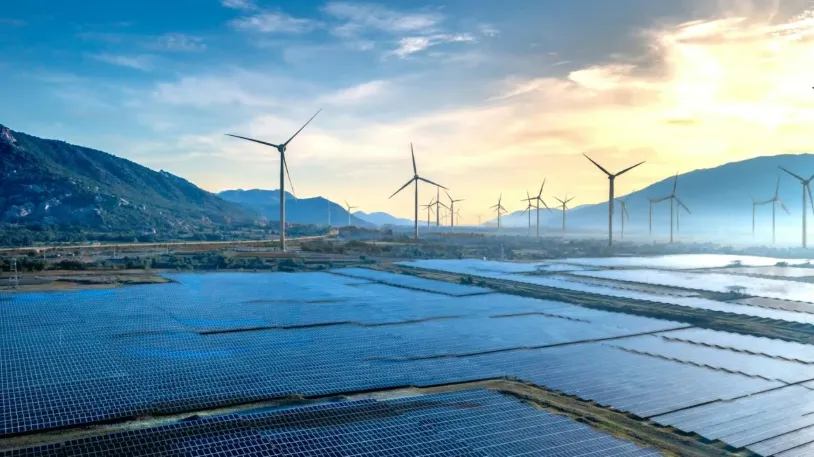
“Firmed renewables combining wind and solar with battery storage are also emerging as a more scalable near-term solution,” Wood Mackenzie said.











 Read Here
 Advertise
 Sign Up