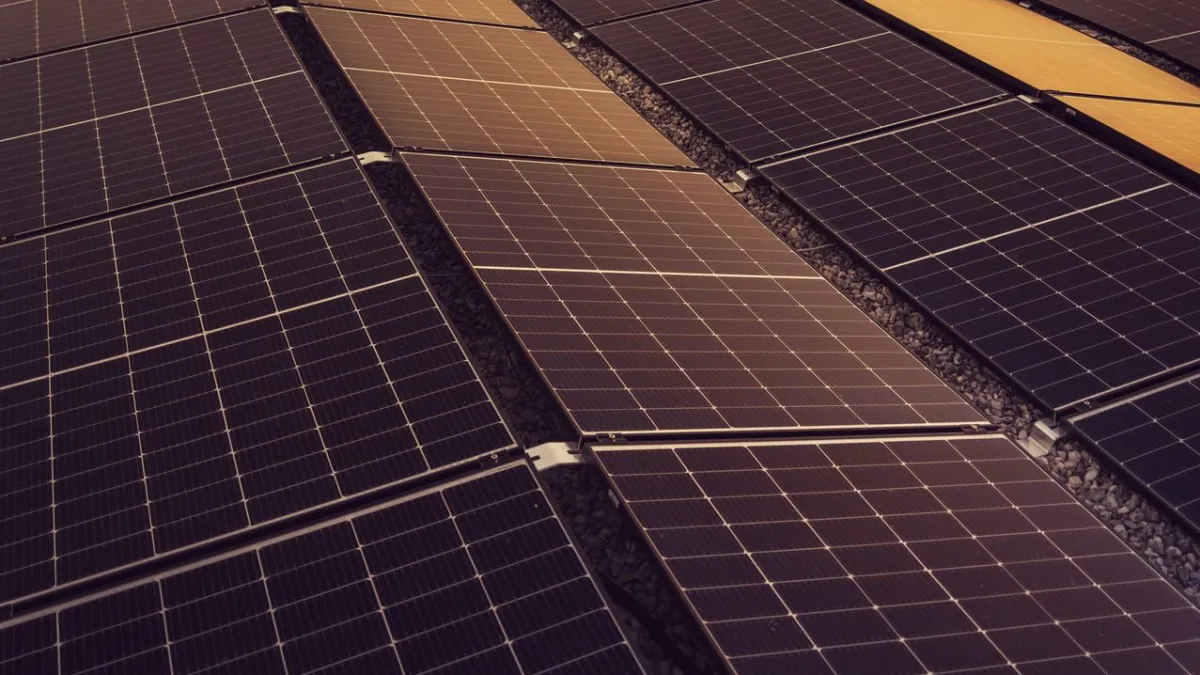
Australia extends solar R&D funding to cut costs below $20/MWh
Research focuses on next-generation solar cells, including tandem silicon and perovskite
The Australian Renewable Energy Agency (ARENA) has extended funding for the Australian Centre for Advanced Photovoltaics (ACAP) until 2032 to accelerate development of ultra-low-cost solar technologies.
The expanded ACAP 3.0 program is a $220m national research initiative backed by universities and industry partners. It will fund research fellowships, upgrade infrastructure, and strengthen collaboration across seven research institutes.
ARENA aims to push solar electricity costs below $20 per megawatt hour—around one-third of current utility-scale solar costs.
ACAP 3.0 sets long-term technical goals that include pushing research-scale tandem solar cell efficiencies to nearly 40%, achieving around 35 percent efficiency in commercial tandem modules, extending module lifetimes to as much as 40 years, and driving manufacturing cost reductions toward approximately 10 cents per watt at scale.
The program will focus on accelerating breakthroughs in silicon photovoltaics, tandem and multijunction devices (including perovskite-silicon technologies), and next-generation manufacturing approaches.
According to ACAP Executive Director Professor Renate Egan, the renewed investment provides long-term certainty for researchers and is designed to accelerate the pace of solar innovation.
“Solar is still a relatively young technology with plenty of scope to improve," he said. "This commitment positions Australia to build on our proven success developing the talent and breakthroughs needed to deliver the next generation of solar innovations.”
ARENA CEO Darren Miller said the investment will help Australia maintain its leadership in solar technology and turn research into commercial solutions.
“Australia helped lead the world in solar, and we want to keep leading the world in the next wave of solar innovation,” he said.
The program will also prioritise improving the efficiency and real-world performance of solar technologies, extending module reliability and operational lifetimes, and reducing dependence on critical materials.
It will further focus on advancing circular economy approaches in solar manufacturing, strengthening collaboration with industry and manufacturers, and training the next generation of solar scientists and engineers.
















 Read Here
 Advertise
 Sign Up