
India renewables face $55b climate loss risk
The study assessed 871 planned clean energy locations across 10 states and territories.
Investing just 2% of planned renewable energy project costs in climate resilience measures could help India avoid an estimated $28b in climate-related losses, whilst improving the insurability and bankability of projects, according to a report by Zurich Kotak General Insurance and Zurich Resilience Solutions.
The report found that climate resilience measures embedded early in project planning and construction could cut potential losses across India's renewable energy pipeline by half, reducing projected losses from $55b to $27b and generating an estimated six-fold return on investment.
India became the world's third-largest holder of renewable energy capacity in 2026, with installed non-fossil fuel capacity reaching 283.5 gigawatts by March.
Renewable power generation is growing by around 11% annually, keeping the country on track to meet its target of 500 gigawatts of non-fossil capacity by 2030.
The study assessed 871 planned renewable energy sites across 10 states and union territories, representing about 90% of India's renewable energy capacity.
It found that nearly 90% of planned generation capacity is likely to face high or critical exposure to climate risks by 2030, equating to a roughly 15% to 30% chance of experiencing a major climate event.
Zurich estimated that about $55b worth of renewable energy assets could be exposed to climate-related losses if resilience measures are not adopted. By 2030, 66% of India's planned renewable generation capacity is projected to fall within the two highest risk categories.
Tornadoes, wildfires, floods and hail were identified as the hazards posing the greatest risks to renewable energy infrastructure.
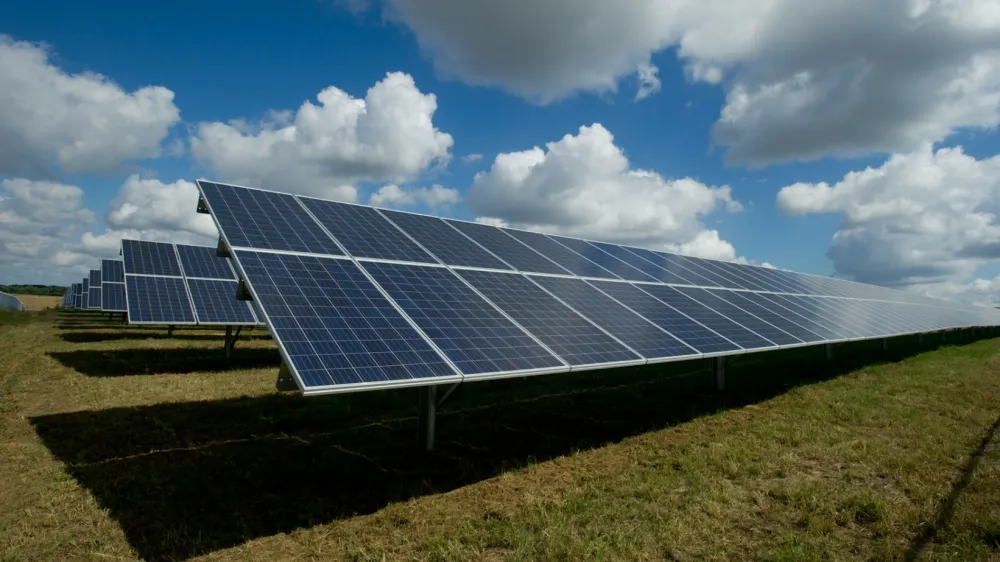
Solar projects account for 593 of the 871 sites assessed, representing nearly 70% of planned capacity.
Hydropower projects, whilst making up only 48 sites, carry a disproportionately high financial risk because of the significant costs associated with building civil infrastructure.
Zurich said resilience measures are most effective when incorporated during the design and construction stages, when engineering changes are easier and less costly to implement.
The insurer said resilient assets are easier to insure and finance and are better positioned to maintain reliable long-term performance as India's clean energy expansion accelerates.



















 Read Here
 Advertise
 Sign Up