Japan
Mitsui, Toshiba to build Japan's largest PV plant
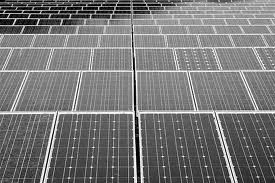
Mitsui, Toshiba to build Japan's largest PV plant
Mitsui and Toshiba are jteaming up to build Japan’s largest PV system.
Kansai Electric's 10MW solar system in Osaka starts operations
Kansai Electric Power has started commercial operation of its 10MW PV plant in Sakai City, Osaka.
Trina Solar sees growth in Japan, Australia, and India markets
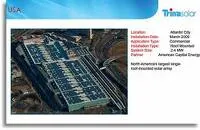
China's Trina Solar forecasts a stronger second half helped by increasing orders from new markets after last quarter's demand slump in Germany and Italy.
Samsung sees global solar cell growth to $70B by 2020
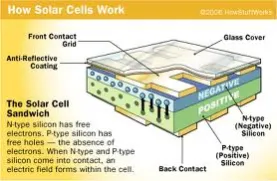
Samsung SDI expects the global solar cell market to be worth $70 billion by 2020.
Japan bearing firm sees increased sales for wind generators
NTN Corp.expects sales of the devices used in wind-power generators to exceed target after the Fukushima disaster spurred demand for alternative energy sources.
SANYO launches Solar Premium Installer Programme
It is the first dedicated support network of its kind for PV installers.
Shikoku Electric postpones maintenance work at Anan plant
Shikoku Electric Power postponed its planned maintenance work at its 450MW No 3 unit at the Anan plant in Japan.
Tohoku Electric to get more power from TEPCO
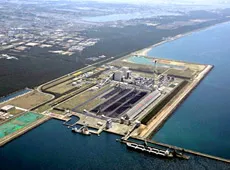
TEPCO announced plans to increase the power supply to Tohoku Electric Power to more than 3,000MW this month.
Tohoku Electric partners with Toyota, State of Miyagi in solar power business
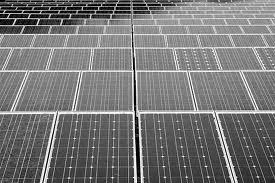
Tohoku Electric Power will establish a new solar power generation business in a joint venture with Toyota Motar Corp and the state of Miyagi.
Japan’s lower house gives green light on renewable energy bill
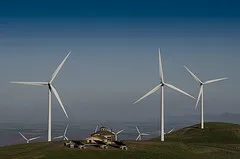
The question is, can the country live without nuclear power?
Kyushu Electric shuts down 600MW unit at Japan power plant
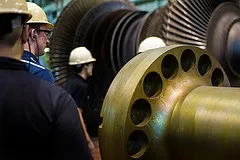
The unit's steam turbine was automatically shut down while generating 400MW of power.
Tohoku Electric restarts thermal power plant after replacing pipe
Tohoku Electric restarted the operation of its No. 2 power generator at its thermal plant in the city of Akita after replacing a cracked pipe connecting the boiler to the turbine.
Chubu Electric may get 100 B yen loan from JBIC
JBIC may extend a 100 billion yen to Chubu Electric Power Co. to help it procure fuel for thermal power generation.
Sakaide power plant's 269MW unit shut due to steam leak
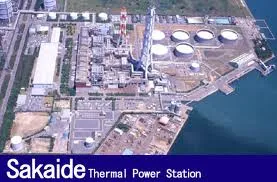
Shikoku Electric Power Co shut the gas-fired 296-megawatt No.1 unit at Sakaide plant due to worries over a steam leak from a boiler tube.
Japan, 5 Mekong nations cooperate on cross-border energy security
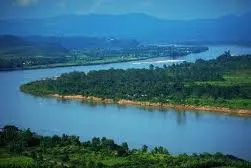
Japan and five Mekong River countries will focus on cross-border energy security cooperation in light of power shortages in some parts of the Southeast Asian region.
Japan to set up new nuclear agency under environment ministry
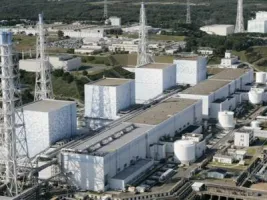
Japan will set up a new nuclear regulatory agency under the Environment Ministry instead of the trade ministry. This is meant to increase the body's independence after the country’s atomic disaster, officials said. Chief Cabinet Secretary Yukio Edano said the Cabinet was expected to approve the plan by Monday. The current Nuclear and Industrial Safety Agency has been widely criticised for cosy ties with the nuclear industry under the Ministry of Economy, Trade and Industry, which promotes nuclear energy. “We expect to make the agency an affiliate of the Environment Agency,” Edano said. “Environment and nuclear issues have a certain affinity for each other.” Under the plan, drafted by Goshi Hosono, minister in charge of the nuclear crisis, NISA would be integrated with the Nuclear Safety Commission, an independent panel of experts under the Cabinet Office, to become a more independent entity distanced from the nuclear industry and other promoters of atomic power.
Japan to continue exporting nuclear technology

Japan decided exporting nuclear power generation technology after reviewing its policy.
Thought Leadership Centre



Most Read
1. Inox Clean Energy expands portfolio with acquisition of Vena Energy India 2. Brookfield-Foxconn deal locks 1GW renewable capacity in Vietnam 3. Bangladesh power sector’s $4.53b shortfall underscores transition imperative 4. About $65b ASEAN renewable assets face climate risk, Zurich Insurance says 5. Amogy and Amun Energy to launch 1-MW ammonia pilot in South KoreaResource Center

 Read Here
 Advertise
 Sign Up
Event News

Be amongst the industry leaders recognised for driving innovation and operational rigour across Asia.













Commentary
Malaysia’s energy workforce is upskilling, but to what standard?
Asia’s grid decade: Why transmission will decide the pace of renewable growth
The supply-side blind spot in ASEAN’s data centre boom