Can solar and offshore wind replace nuclear as Taiwan’s primary power source by 2035?
Natural gas, meanwhile, will provide essential baseload power following the 2025 nuclear exit.
Taiwan’s renewable energy capacity is expected to reach 50.7 gigawatts (GW) by 2035 from around 19.1 GW in 2024, according to GlobalData.
In its new analysis entitled “Taiwan Power Market Trends and Analysis by Capacity, Generation, Transmission, Distribution, Regulations, Key Players and Forecast to 2035,” GlobalData said that the country’s renewable power capacity expansion reflects sustained investment in clean energy technologies under the Renewable Energy Development Act, alongside grid reinforcement programs led by Taipower to support higher renewable penetration in an isolated system.
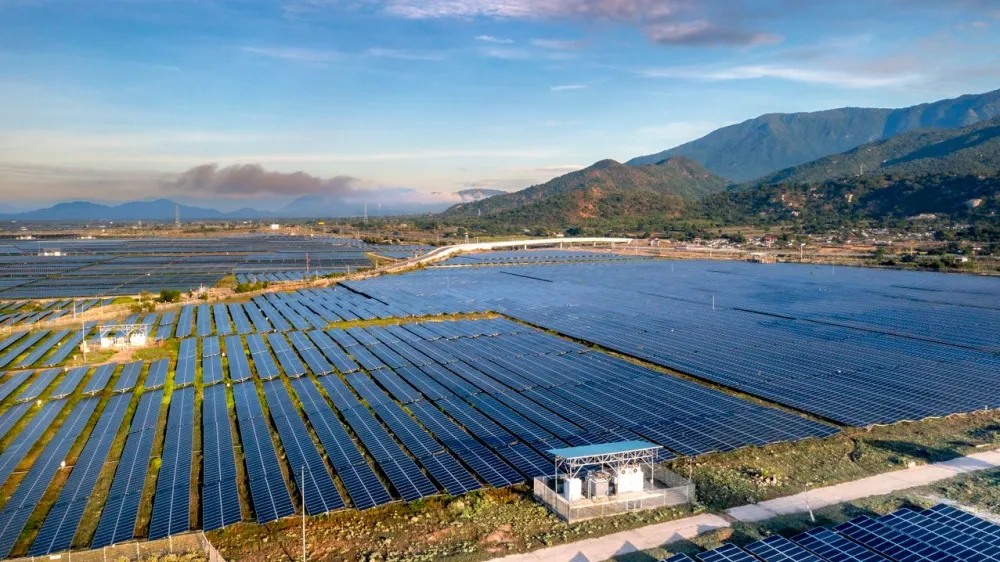
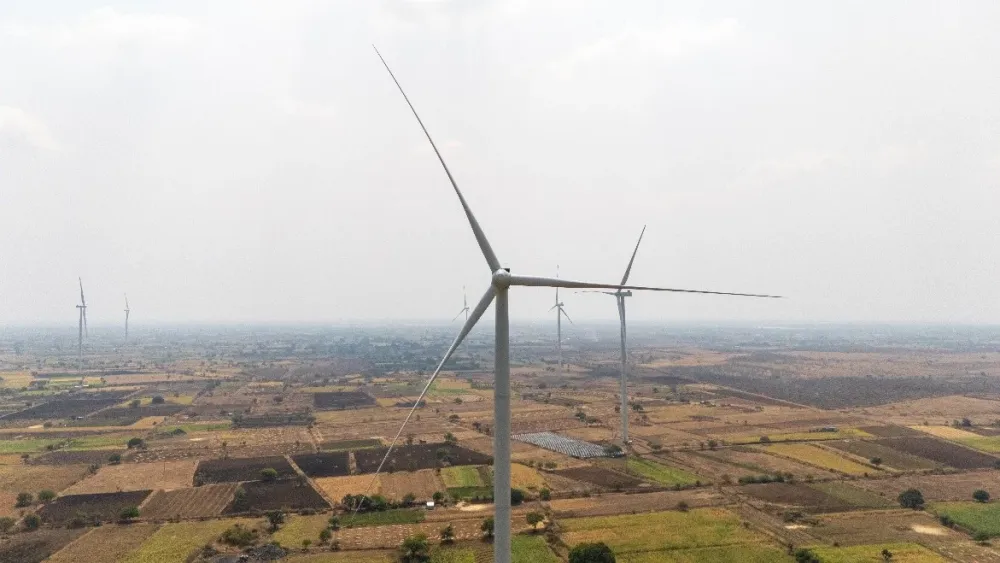
This expansion will be led by solar, increasing from around 14.3 GW in 2024 to 31.2 GW by 2035, and offshore wind, increasing from around 3.0 GW in 2024 to about 17.4 GW by 2035. Meanwhile, onshore wind and other renewable technologies play a more limited role due to land constraints and permitting challenges.
“Following the completion of the nuclear phase-out in 2025, policy focus has intensified on offshore wind, solar PV, energy storage, and grid upgrades to maintain system reliability whilst meeting rising industrial electricity demand in a fully isolated power system,” said Mohammed Ziauddin, power analyst at GlobalData.
Meanwhile, natural gas remains a major contributor to Taiwan’s power generation, with nuclear retirement increasing reliance on LNG-backed gas-fired generation for baseload and balancing capacity as renewable penetration rises.
GlobalData expects gas-based power capacity to reach 40.9 GW by 2035 from around 20.1 GW in 2024.
“Offshore wind and solar PV are reshaping the generation mix, whilst gas remains essential for reliability in an isolated and import-dependent system. This balanced pathway supports Taiwan’s net-zero ambitions whilst safeguarding power system resilience through 2035,” said Ziauddin.


















 Read Here
 Advertise
 Sign Up