Bangladesh power costs climb despite falling coal and oil prices
Primary energy imports increased to 62.5%, exposing deeper reliance on external supply.
Bangladesh’s power generation costs remained elevated in FY2024–25 despite a 59.7% fall in coal prices and lower oil prices, according to an Institute for Energy Economics and Financial Analysis (IEEFA) report.
The report cited capacity payments, gas supply shortages, and rising reliance on imported energy.
It also said lower fuel prices did not translate into lower generation costs despite the fall from FY2022–23 levels, and oil prices remained low, yet overall costs did not decline.
IEEFA attributed this to capacity payments, low plant load factors, and gas supply shortages.
Primary energy imports increased from 47.7% to 62.5% over four years, whilst power generation costs rose by 83% over the same period.
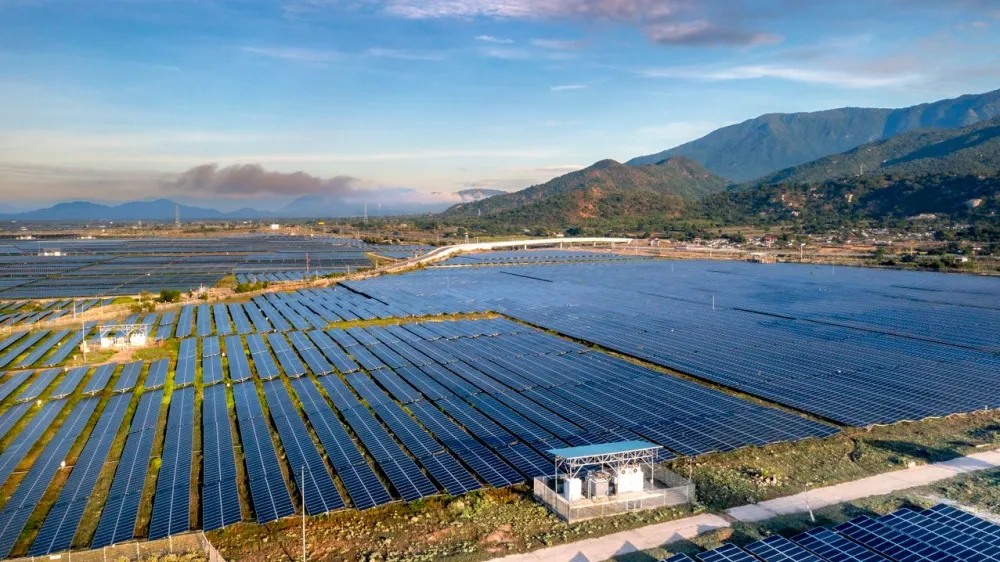
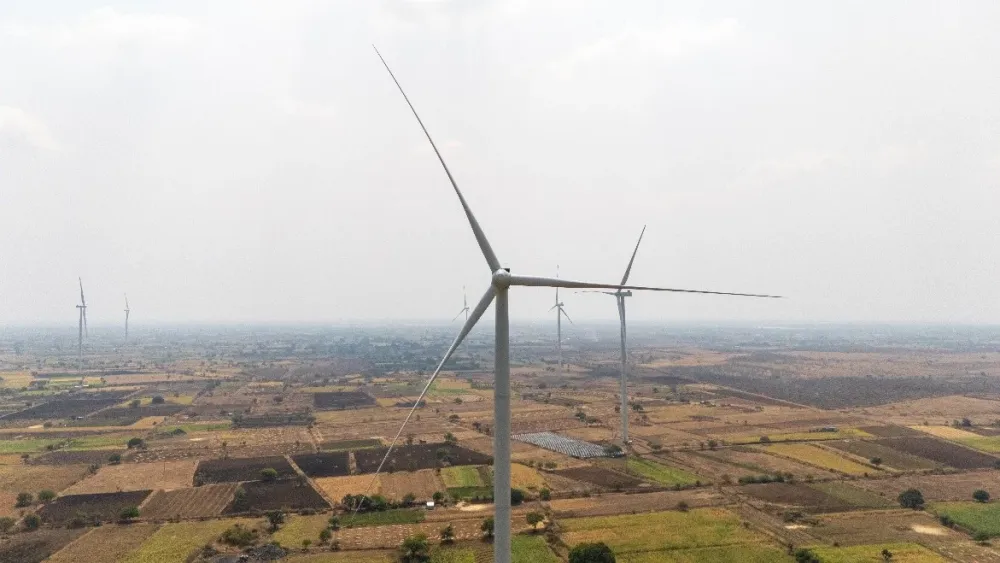
Meanwhile, renewable energy (RE) accounted for 2.3% of grid-based generation, compared with a global average of about 33.8%.
Average capacity payments reached about $0.08 (BDT9.5) per kilowatt-hour (kWh) for private oil-fired plants and around $0.05 (BDT5.9) per kWh for coal-fired plants in FY2024–25, Shafiqul Alam, lead energy analyst at IEEFA, said.
He said that plants operating below 25% load factor generated electricity at around $0.14 (BDT16.85) per kWh, compared with about $0.05 (BDT6) per kWh for plants running at around 75% load factor.
The report said declining domestic gas production has increased dependence on imported liquefied natural gas (LNG).
Bangladesh may pay subsidies of about $1.07b for LNG imports between April and June 2026, based on current prices of about $20 per million British thermal units, excluding regasification and terminal costs.
The IEEFA report said high import duties on distributed RE systems have limited deployment.
About 100 megawatts of rooftop solar capacity could save more than 30 times the one-off import duties by reducing furnace oil imports over the system lifecycle.
Alam recommended expanding domestic RE capacity and limiting new fossil fuel-based plants to address overcapacity.
He also suggested retaining some oil-fired plants under government ownership after contract expiry to reduce capacity payment obligations.
Bangladesh could reduce gas demand by importing hydropower under the Bangladesh–Bhutan–India–Nepal framework, the report noted.
It estimated that access to 6,000 megawatts of hydropower from Nepal and Bhutan during peak demand months could cut annual gas consumption by up to 257 billion cubic feet after 2030.
IEEFA also called for lower open access costs for RE projects under corporate power purchase agreements to support industrial decarbonisation.
Industrial electricity consumption increased by 4.8% in FY2024–25, whilst the Bangladesh Power Development Board recorded revenue shortfalls of $4.54b (BDT556.6b).
IEEFA said exposure to global fuel markets, combined with capacity payments and subsidy requirements, continues to strain public finances and underscores the need for changes in energy policy.
(US$1 = BDT122.70)

















 Read Here
 Advertise
 Sign Up