YTL bets on solar to fuel NVIDIA’s 500 MW AI cloud in Johor
Solar power takes center stage in fueling next-generation data demands.
YTL Group is taking a bold step toward sustainable digital infrastructure with plans to power NVIDIA’s 500-megawatt AI data center in Johor, Malaysia, entirely through solar energy.
The project marks one of the region’s largest renewable-powered data hubs and signals how Southeast Asia’s energy transition is aligning with the surge in AI-driven demand.
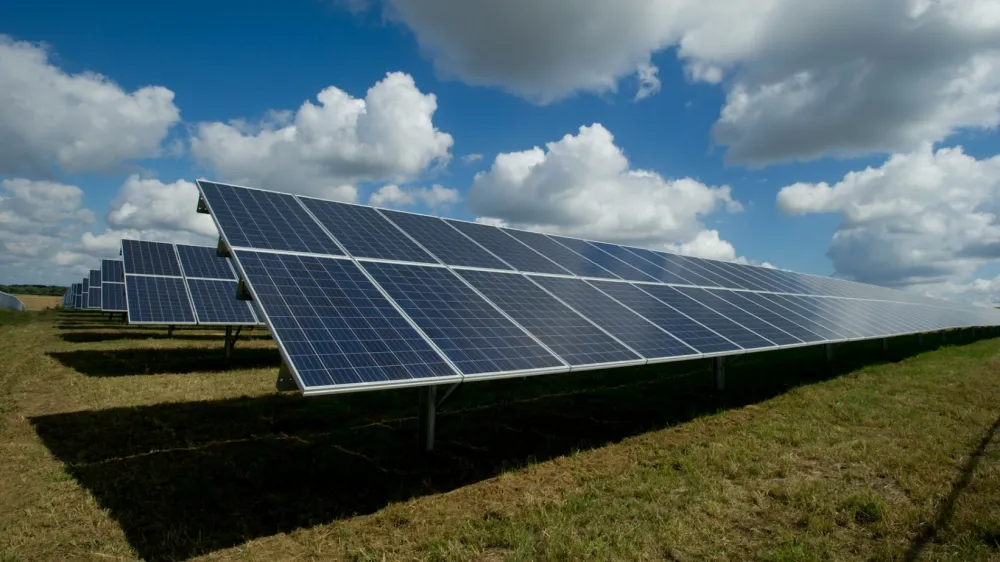
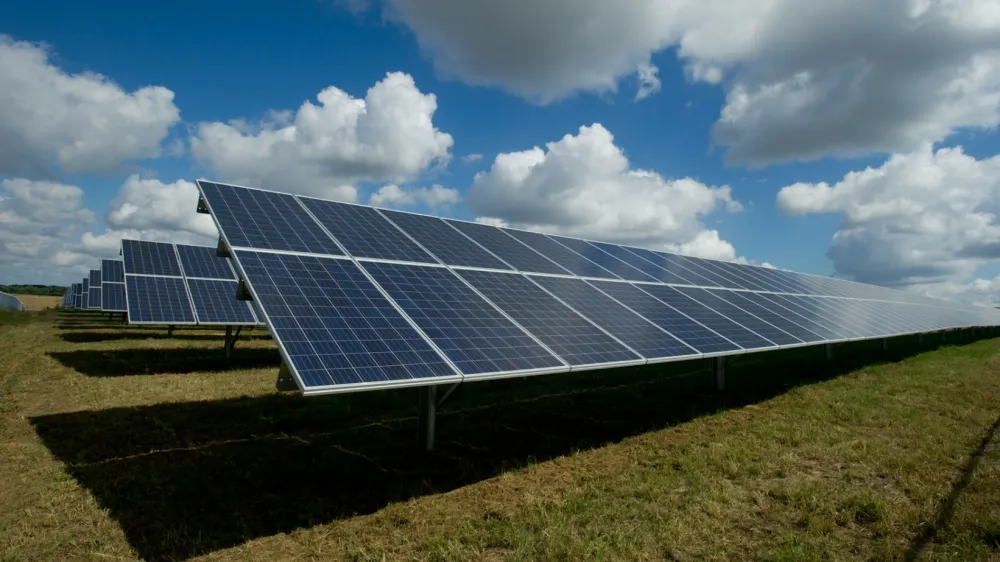
Ralph Dixon, executive director of Sustainability at YTL Group and CEO of YTL-SV Carbon, said the initiative will rely on a 500-megawatt solar facility built on repurposed palm oil land.
“It’s 1,650 acres using old palm oil land… we see this as a transition opportunity to go from palm oil to solar,” Dixon said during the Asian Power Summit 2025 held in Singapore.
The move allows YTL to expand clean generation capacity without clearing forested areas, using only palm plantations that have reached the end of their productive cycle. This is also part of YTL’s broader strategy to integrate clean power directly into digital and industrial development.
“We are building a 500-megawatt data centre in Johor, which is for NVIDIA, our joint venture with NVIDIA for the AI cloud,” Dixon said.
The facility underscores how Malaysia is positioning itself as a regional hub for data-driven growth supported by renewables.
To ensure round-the-clock reliability, YTL will complement the solar system with battery storage and grid backup.
“It’s critical that data centres must remain powered at all times… battery energy storage systems are being built there as well,” he noted. The project will also maintain a link to a nearby combined-cycle gas plant for additional stability.
Whilst YTL’s immediate focus is solar, Dixon acknowledged that future technologies like small modular reactors (SMRs) could emerge as viable power sources for data centres. “We are not looking at nuclear with this project… but that’s not to say that in 10 or 15 years’ time, we may not consider that as a solution,” he said.
By transforming idle agricultural land into renewable infrastructure, YTL’s project reflects a growing corporate shift toward cleaner, more resilient energy systems that can support Asia’s rapidly expanding AI ecosystem.

















 Read Here
 Advertise
 Sign Up