Staff Reporter
Korea's wholesale power prices to be slashed amidst spike in capacity
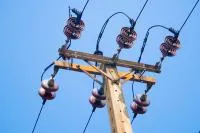
Korea's wholesale power prices to be slashed amidst spike in capacity
Power generators brace for margin pressures.
China makes shift from coal-fired stoves to single district heating system

Air pollution will hopefully be improved.
Siemens hands over combined cycle power plant on Singapore’s Jurong Island
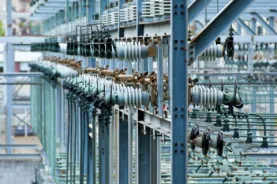
Capacity is an estimated 800MW.
What effective control over KION could mean for Weichai Power

Will net profit get a boost?
GMR reveals renewed plans to list energy business

And it's looking to raise equity too.
Tata Motors confirms shutting down Sanand facility for 3-6 weeks

Clients blame inventory pile-up.
ABB innovations back new Solar PV installations in Japan
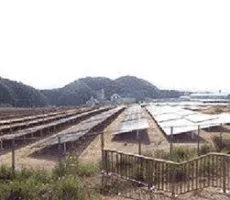
As investment in Japan could hit US$22.9b.
Alstom and Saft provide EDF with an innovative system of energy storage batteries
Frequency regulation is becoming serious business.
The road to Mandalay: APR Energy’s 100MW thermal power plant in Myanmar now operational
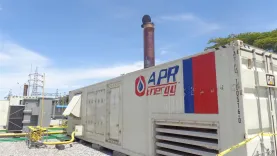
It will provide electricity to over 6m people.
Asia-Pacific is shifting towards sourcing energy outside the region

Crude oil, coal, and gas imports have doubled.
Here's the impact of China's new power grid investments on domestic power firms

It's showtime for downstream players.
How Indonesian firms could suffer from power tariff hikes

Increases range from 40% to 65%.
Delivering excellence in project execution
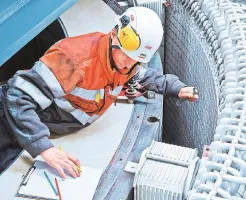
Delivering integrated instrumentation, control and electrical solutions for power generation and water plants – on time, within budget, and with strict compliance with health and safety regulations – is one of ABB’s defining strengths.
Perkins pops the champagne on its 20 millionth engine
It's a 1206 two-stage turbo Tier 4 diesel engine in UK.
Philippines' first utility scale solar power plant comes online
First phase has entered commercial operation.
OWL launches Oriental OWL Energy KK in Japan
It will zero in on the solar boom.
Siemens H-Class technology goes into operation in the US
It's the second power plant with this technology.
Thought Leadership Centre



Most Read
1. SEA green economy to hit $430b by 2030, but grid bottlenecks threaten growth 2. India loses 2.1TWh of renewables as coal hits flexibility limit 3. Japan’s US LNG resales equal output of 17 coal plants, report says 4. Pakistan’s LNG supply hit as Middle East conflict halts Qatar cargoes 5. Philippine renewable projects draw $5.72b in investmentsResource Center
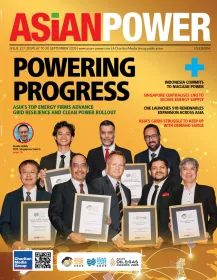
 Read Here
 Advertise
 Sign Up
Event News

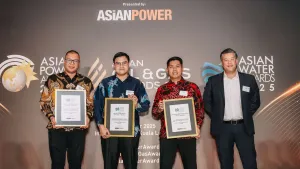
Be amongst the industry leaders recognised for driving innovation and operational rigour across Asia.







Commentary
Malaysia’s energy workforce is upskilling, but to what standard?
Asia’s grid decade: Why transmission will decide the pace of renewable growth