Asia moves to cut $1.1tn fossil fuel import bill
The energy system rewired to renewables and electrotech as imported fuels reshape industry strategy.
Asia is shifting towards an energy strategy centred on domestic electricity generation and electrotech deployment, according to an Ember report published on 11 June 2026.
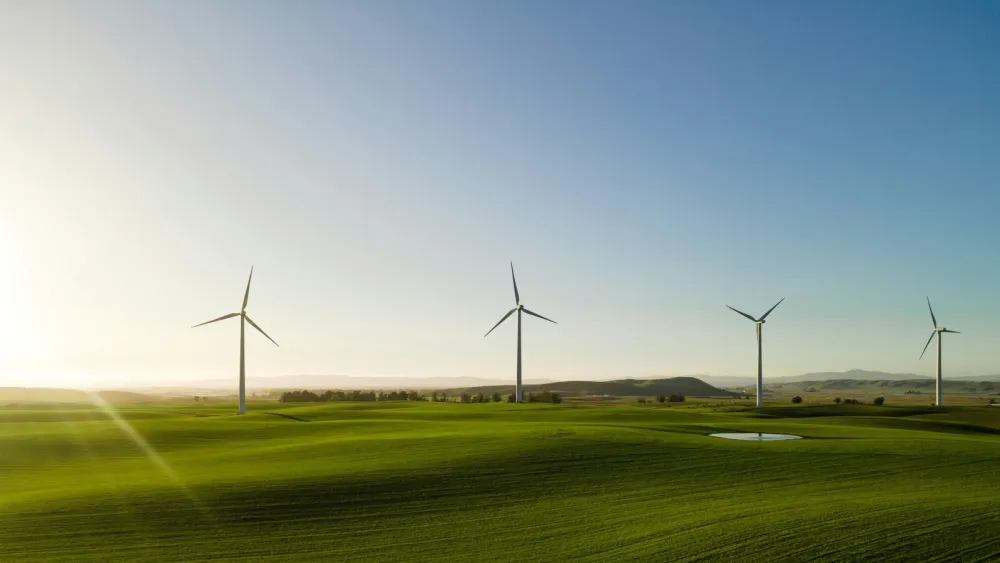
The approach prioritises replacing imported fossil fuels with solar and wind power, alongside wider electrification of end-use sectors, including transport.
The region imports about $1.1t in fossil fuels annually, equal to around 31% of its primary energy demand.
It accounts for 62% of global fossil fuel imports, despite holding just 4% of global oil reserves and 8% of gas reserves.
Ember identifies two main domestic levers for reducing import dependence. On the supply side, solar and battery storage systems displace imported liquefied natural gas in power generation, whilst on the demand side, electrification—particularly of road transport—reduces oil consumption.
“Asia can electrify its road transport fleets and save over $300b in oil imports every year,” the report estimated.
The region has already generated over half of global electricity and has driven around three-quarters of global electricity demand growth since 2000.
It also accounts for about 75% of global electrotech manufacturing capacity, including more than 95% of solar panels and 85% of batteries.
More than 70% of the region’s energy demand can already be electrified using existing technologies, whilst solar and wind resources could supply at least 14 times total energy demand under conservative estimates.
Falling technology costs underpin the shift, with the report stating that solar-plus-storage systems now compete with fossil generation across most of Asia.
“The cost of capital of renewables has dropped below that of fossil power, and end-use technologies have fallen in price by 35-90%, opening up new areas for electrification,” the think tank said.
The report argues that reducing fossil fuel import dependence could reallocate capital towards domestic energy infrastructure and manufacturing, whilst lowering exposure to global fuel price volatility.
















 Read Here
 Advertise
 Sign Up