Policy inconsistencies threaten momentum in APAC’s energy shift
Progress continues to vary significantly amongst countries.
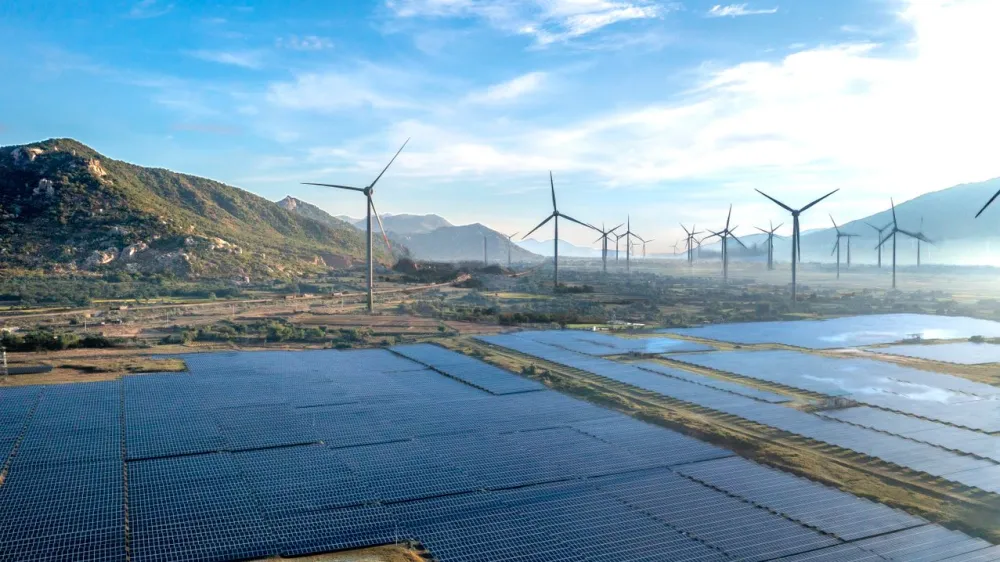
Asia Pacific is making progress in its energy transition, but uneven policies and ongoing reliance on fossil fuels remain a challenge, according to Wood Mackenzie’s latest Energy Transition Outlook (ETO) report.
The region accounts for roughly half of global energy demand and 60% of carbon emissions even whilst China, India, Japan, South Korea, and Australia increase investment in renewable energy, hydrogen, and carbon capture technologies.
According to the report, progress varies significantly amongst countries. In 2024, China expanded solar capacity to 292 gigawatts (GW) and saw record growth in electric vehicle adoption whilst Japan and South Korea strengthened cross-border hydrogen projects.
Elsewhere, India moved ahead with its first green ammonia plant whilst Indonesia, Malaysia, and Australia introduced new policies to support carbon capture and storage.
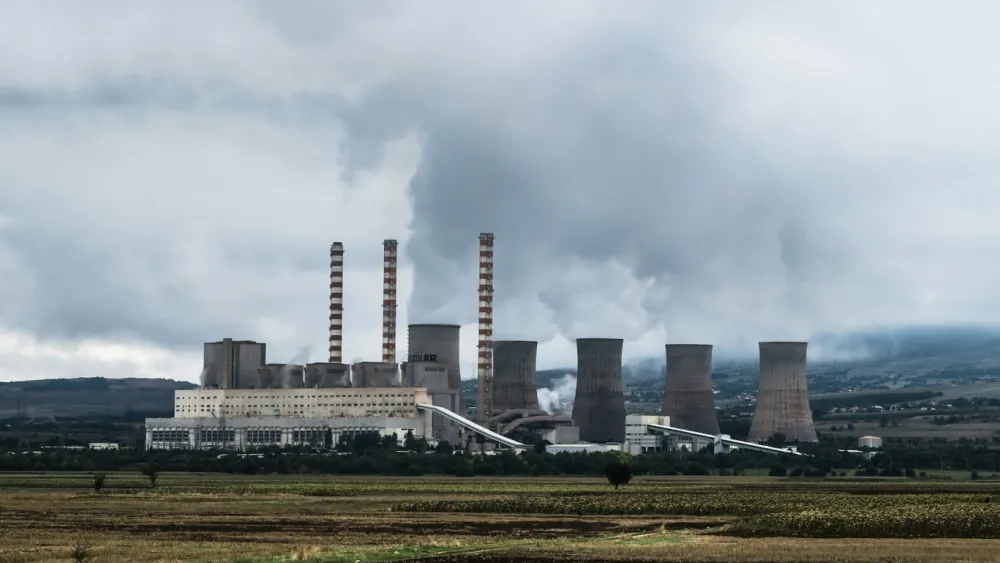
Despite these developments, coal and fossil fuel use remain high, Wood Mackenzie finds.
India added 4 GWs of coal capacity in 2024 and plans nearly 90 GWs more by 2032.
South Korea is shifting toward nuclear and fossil fuels, whilst Japan’s projected share of renewables by 2030 lags.
Wood Mackenzie said Asia Pacific could capture almost half of the global low-carbon technology market by 2050 if countries maintain policy support and investment, however, the report cautions that without stronger regulatory frameworks and faster deployment of clean technologies, the region may struggle to meet net-zero goals.














 Read Here
 Advertise
 Sign Up