China to continue building coal plants until 2030 as renewable expansion accelerates
Rising electricity and CHP heating demand drives ongoing coal construction.
China is expected to continue building coal-fired power plants through the end of the decade, even as it pursues aggressive climate goals and expands renewable energy capacity, according to a report by Asia Research & Engagement (ARE).
The report said that China has an abundance of coal but limited oil and natural gas. The country accounts for 53% of world coal production, but only 5.5% of natural gas and 5.1% of crude oil.
In 2023, China produced 93EJ of coal and consumed 92EJ. Oil production was 9EJ and consumption 33EJ, while gas production was 8EJ and consumption 15EJ. Coal accounted for about 61% of the country’s total electricity generation in 2023 (5,752TWh out of 9,456TWh).
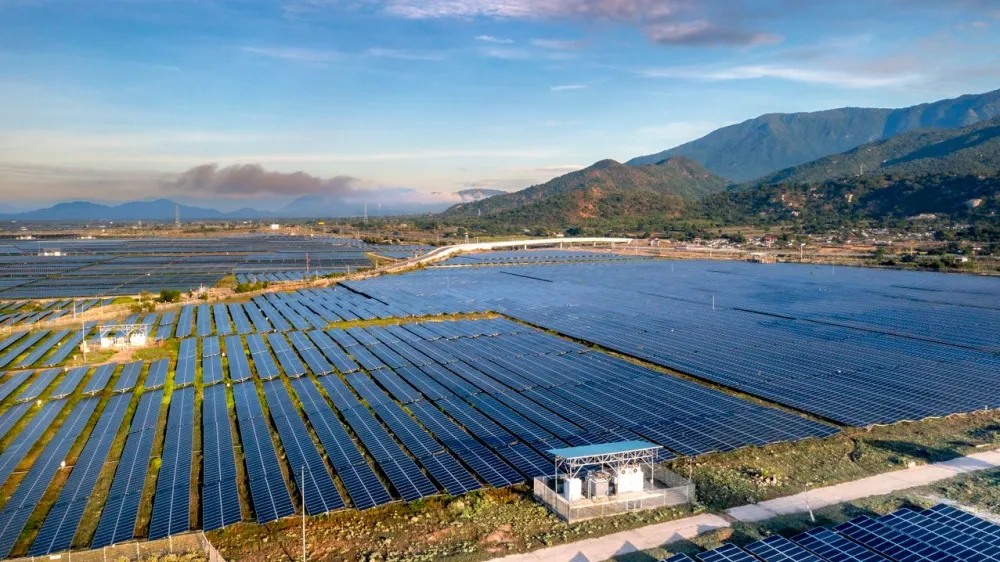
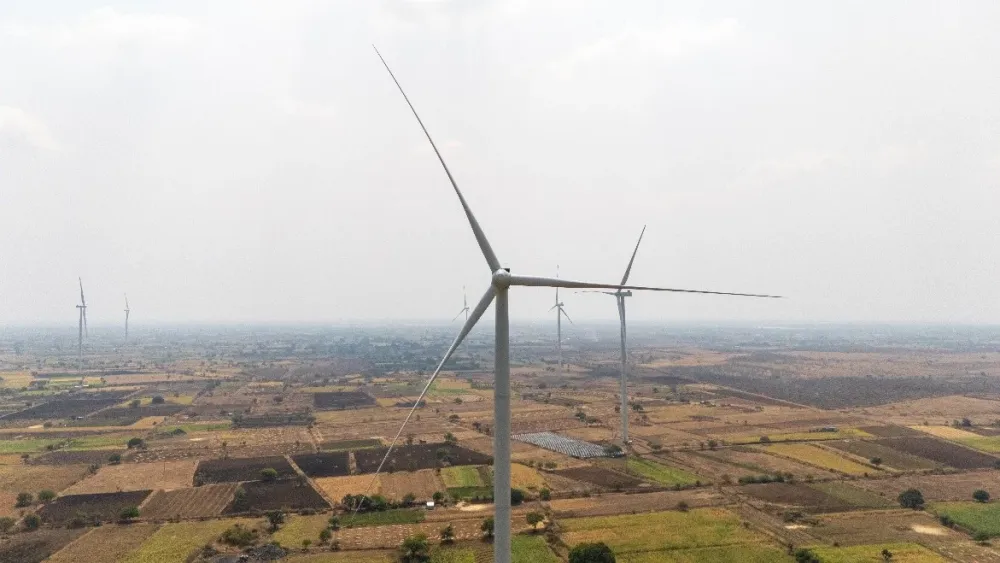
China’s renewables buildout focuses on large-scale wind and solar projects in western regions, integrated with coal to provide flexibility and grid stability.
Total planned wind and solar capacity reached 595.05GW, typically configured in “wind-solar-coal-battery” models with a coal-to-renewables ratio of about 30%.
By the end of 2025, 147.05GW of large-scale wind and solar bases were expected to be constructed. Based on the 30% ratio, approximately 44GW of coal capacity will have been added to provide flexibility.
Over the same period, China’s net increase in coal capacity is projected to reach about 150GW. After 30GW of retirements, a total 180GW of new coal capacity will serve both baseload demand and flexibility services, with roughly 25% intended to provide system flexibility. Flexible-service coal capacity accounts for about 32% of total new coal constructed and approved.
Rising electricity demand reinforces the need for coal. Between 2017 and 2023, annual incremental electricity generation reached 432, 542, 331, 299, 770, 310, and 584TWh, with coal contributing approximately 47%, 61%, 21%, 25%, 54%, 15%, and 50% of these increases.
During the 2024 summer peak, China’s peak load reached 1,451GW, with coal providing approximately 1,000GW of firm capacity.
Regional imbalances persist despite national supply-demand balance. Regions like Zhejiang, Sichuan, and Shanghai face peak-hour shortages, while coal- and renewable-rich provinces supply excess electricity. Limited interprovincial transmission and slow construction of ultra-high-voltage lines make local coal projects essential for grid stability.
Heating demand is another factor. Combined heat-and-power (CHP) plants, which provide both electricity and heat, have doubled in capacity between 2016 and 2024 and now account for over half of total thermal power capacity. Rising heating needs in southern China are expected to drive further CHP and coal expansion.
New coal projects are designed to peak around 2030, after which China plans to gradually reduce fossil fuel reliance as renewable capacity and flexibility solutions mature. Analysts emphasize that these developments reflect a strategic repurposing of coal, ensuring system stability during the transition to a low-carbon energy system.


















 Read Here
 Advertise
 Sign Up