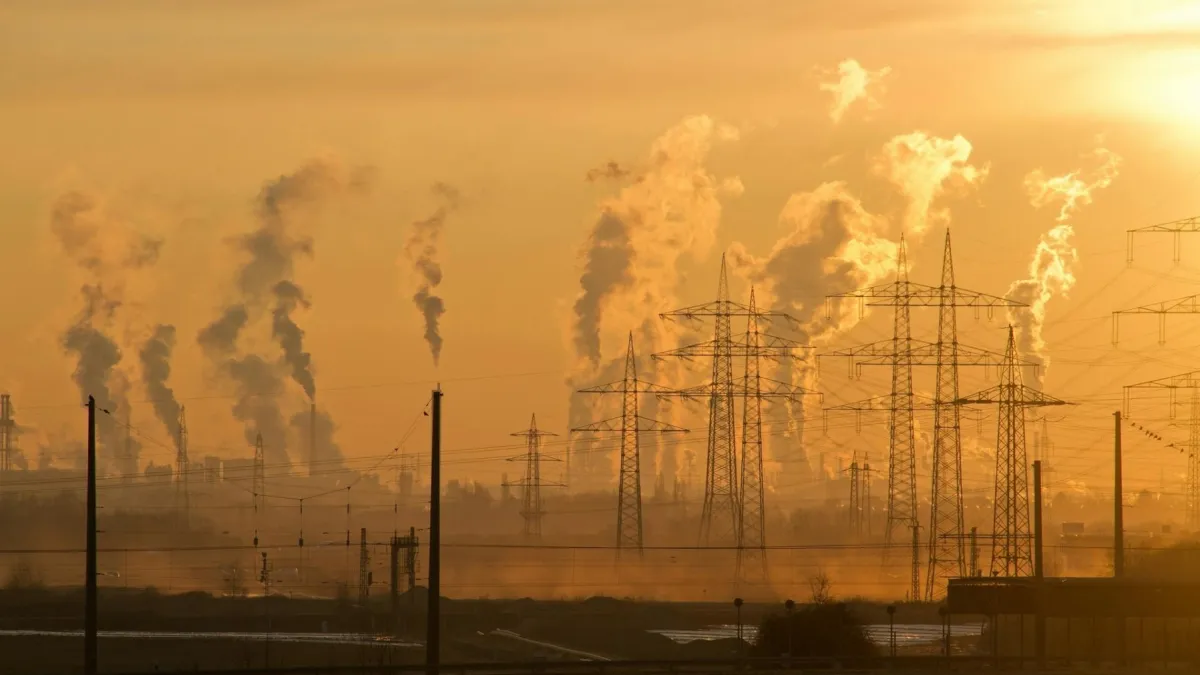
Asia faces widening energy shock as supply strains ripple across industries
Oil and fuel prices are rising sharply.
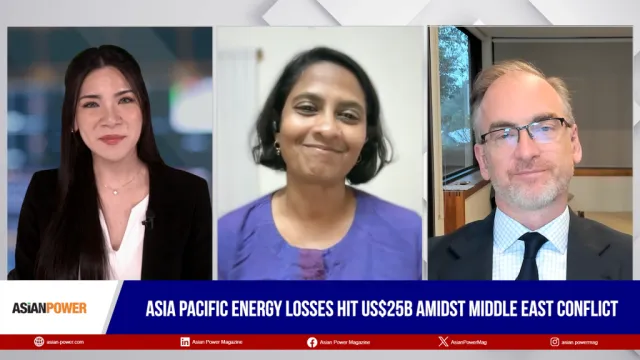
Asia is facing its biggest energy access shock in 50 years, with disruptions spreading across industries and economies, according to a report by Morgan Stanley Research.
Oil prices remain near $100 per barrel, but stress in energy supply is rising sharply. The impact is no longer limited to fuel and gas—it is now affecting sectors like food delivery, ceramics, renewable energy, and manufacturing.
Several indicators highlight growing imbalances in global energy markets. Dubai crude, typically priced at a discount to Brent, is now trading at a premium exceeding $20 per barrel, whilst diesel refining margins have surged to record levels—double pre-conflict highs.
At the same time, jet fuel premiums over diesel have tripled, reflecting tightening aviation fuel supply. Sulphur prices have risen by 20%, impacting both nickel production and semiconductor manufacturing, and helium spot prices have climbed by approximately 50%, adding pressure to high-tech industries.
Meanwhile, plastic and synthetic rubber costs—critical for automobile manufacturing—have seen gross margin expansions of 30–50%, as about 10% of global production capacity in Korea, Singapore, and Taiwan has scaled back due to shortages of key feedstocks such as naphtha and propane.
Whilst Asia currently holds an estimated 65–70 days of crude oil inventories, analysts warn that this buffer may not prevent supply chain disruptions.
The report noted that access to Russian crude has provided some support, but fuel price caps and export controls are constraining refining output, partly due to limited storage capacity. This is already affecting downstream production, including plastics for automobiles and sulphur used in semiconductors.
Early signs of strain are emerging in consumer sectors. In India, for instance, restaurants are reporting reduced access to cooking gas, raising concerns even within food delivery markets.
Policymakers across the region have begun—or are preparing—to implement energy rationing measures, even before inventories are depleted. Industries such as chemicals, ceramics, and glass are already curbing LNG and LPG consumption in response.
Countries such as Thailand, Taiwan, and South Korea rely on the Middle East for up to 15% of their natural gas supply, yet hold only 10–15 days of LNG inventories, excluding shipments in transit.
If liquefied natural gas (LNG) supplies from Qatar do not resume within weeks, power shortages could follow. Restarting supply chains may take up to 40 days, including production ramp-up and shipping time.
Although coal-fired generation is expected to increase to offset shortages, limited spare capacity means it cannot fully compensate if LNG disruptions persist beyond a month.
Asian governments are taking emergency measures to stabilize supply by releasing strategic petroleum reserves, securing high-cost LNG and propane cargoes—including some diverted from Europe—and increasing reliance on coal, particularly from Indonesia, which continues to supply global markets without major logistical constraints.
The report warned that if energy access remains constrained, the impact could extend well beyond the energy sector, affecting industrial output, consumer prices, and equity markets across Asia.
















 Read Here
 Advertise
 Sign Up