Battery storage growth in Southeast Asia hinges on monetisation frameworks
The region’s storage gap could limit grid response systems.
Battery energy storage systems (BESS) in Southeast Asia require clearer monetisation frameworks to scale across the region’s electricity markets, according to the Future Energy Storage & System Integration Alliance (FESSIA).
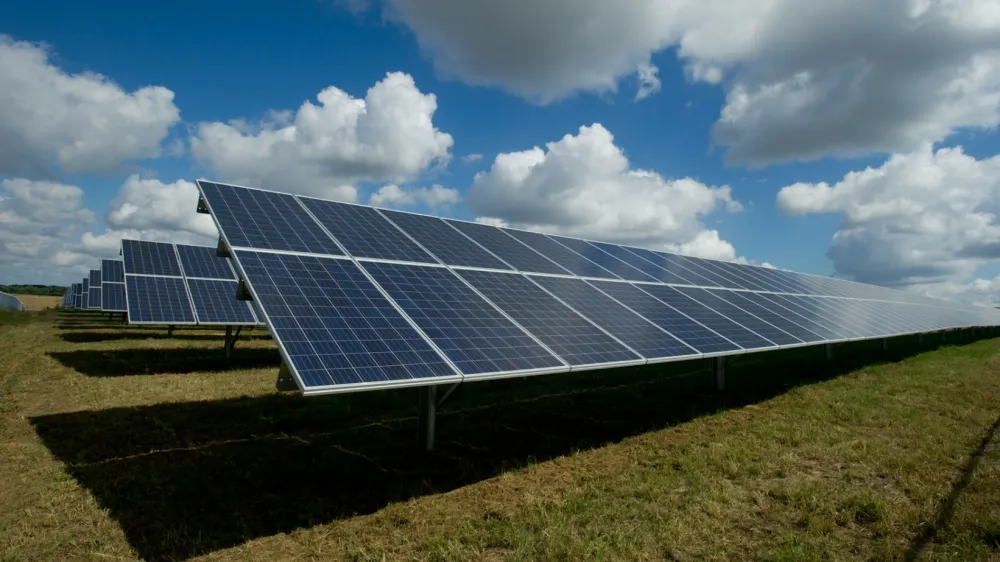
It said electricity systems in Southeast Asiahave seen increasing deployment of variable renewable energy, creating higher demand for system flexibility to maintain grid reliability and energy security.
The alliance said the region’s energy storage market remains underdeveloped, with around 1.4 gigawatts of BESS currently in operation.
The report stated that ancillary services represent the strongest current economic case for BESS in Vietnam and the Philippines.
It also found that hybridisation and energy shifting are commercially viable in both markets.
In the Philippines, the report projected that BESS ancillary services could reduce system costs by up to $275m annually and support up to $2.25b in solar-plus-BESS revenues by 2030.
In Vietnam, annual BESS investment could rise to $5.70bn by 2030 from $750m in 2026.
FESSIA stated that revenue stacking will play a key role in improving project bankability and supporting deployment, adding that market mechanisms and policy frameworks need to evolve to recognise the value of flexibility services.
The report said BESS technology costs have fallen by nearly 90% over the past decade, but the main constraint in Southeast Asia lies in market readiness rather than technology readiness.
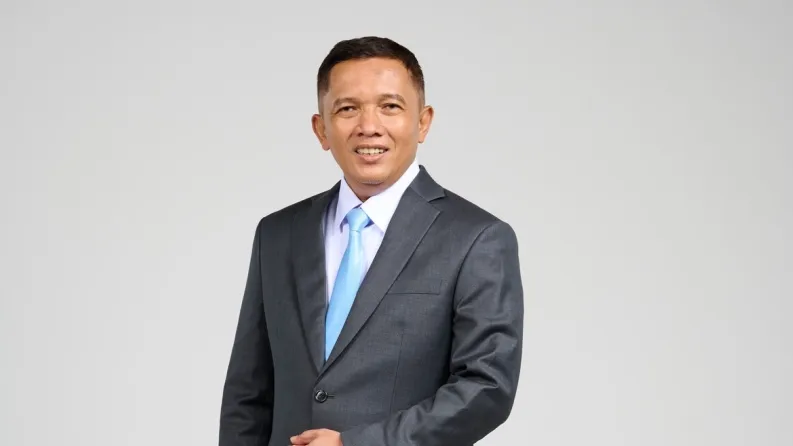
Liming Qiao, CEO and Founder of FESSIA, said power systems must integrate flexibility into planning, operations, and market design as renewable deployment increases.
Matthew Rowe, Director of Power Grids in Asia-Pacific at DNV Energy Systems, said electricity markets and regulatory frameworks need to evolve to reflect the system value of BESS.
Rowe said clearer operational rules and mechanisms that recognise fast-response capabilities would support deployment.













 Read Here
 Advertise
 Sign Up