AI demand redirects energy M&A into grid and gas assets
Utilities gain investor focus as power constraints reshape deal flow.
Reliability has become the main driver in energy, utilities, and resources mergers and acquisitions (M&A) as artificial intelligence (AI)-driven electricity demand, grid constraints, and geopolitical instability converge in 2026, according to PwC.
“Reliability sits at the heart of today’s energy deal thesis. The real challenge is balancing security, affordability and efficiency as demand grows and markets become more complex,” said Tracy Herrmann, Global Energy, Utilities and Resources Deals Leader at PwC US.
The firm said in its mid-year outlook on global deal trends that rising power demand from AI and data centres has increased investor interest in gas, power, and grid assets that can add capacity quickly.
“Deal value remains resilient despite softer volumes, reflecting a K-shaped M&A market, where megadeals are concentrated in power and utilities and oil and gas,” the report said.
Buyers have prioritised infrastructure control, contracted cash flows, and stable markets as volatility in energy markets raises valuation and execution risk.
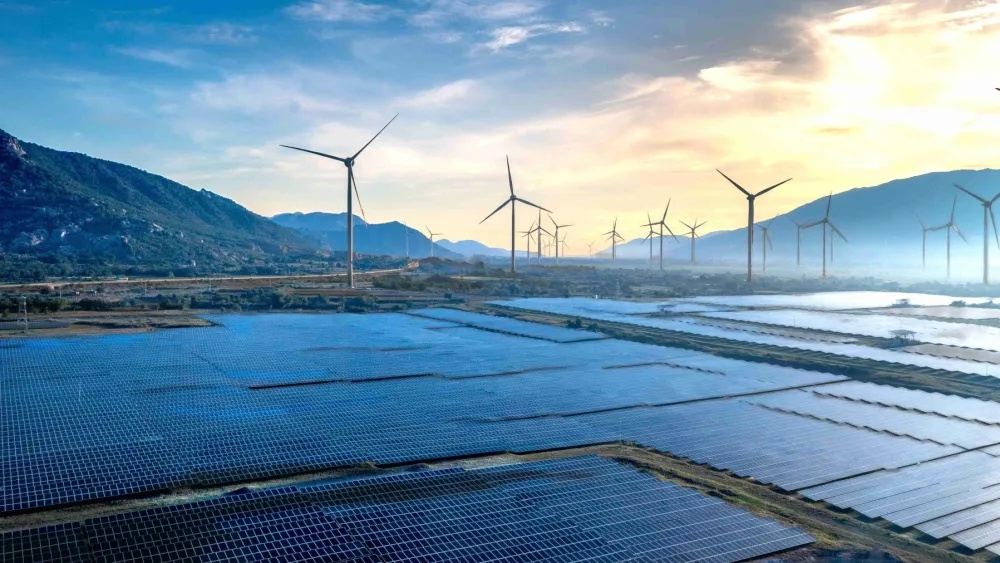
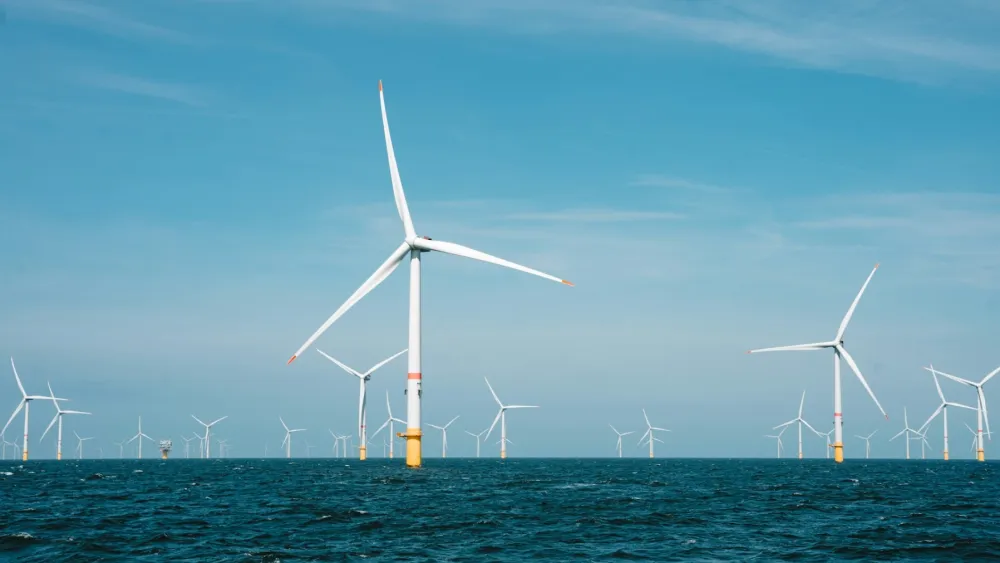
Capital has shifted towards liquefied natural gas, upstream gas, midstream infrastructure, dispatchable generation, and grid assets under an “all of the above” strategy.
PwC said projected cumulative spending on power infrastructure will reach $25.0t by 2050, with annual spending rising 76% to $1.1t, according to its Global Infrastructure Outlook 2025–50.
The report said acquisitions and partnerships now take priority over greenfield development, as dealmakers target proven assets and regulated platforms.
Geopolitical instability, including disruption in key energy trade routes, has increased focus on supply security.
The report said this has increased near-term valuation volatility whilst supporting long-term demand for infrastructure assets.
“The geopolitical backdrop is adding urgency,” it said. “Disruption in the Middle East and concerns around critical trade routes are creating energy price volatility, which can make deals harder to value in the near term.”
The outlook identified affordability as a key constraint, with regulators and utilities weighing how to allocate costs between data centres, households, and businesses.
Markets with clearer cost recovery frameworks attract more capital, whilst regulatory uncertainty increases deal risk, the report said.
















 Read Here
 Advertise
 Sign Up