
Securing the green grid: How video intelligence is powering a safer, smarter energy future
By Kiean KhooThe convergence of edge computing, IoT, and AI is creating smarter, more resilient energy ecosystems.
Southeast Asia is accelerating its integration of variable renewable energy (VRE) sources such as solar PV, with solar and wind projected to dominate the region’s power mix by 2050, reaching a 66% share.
Countries across the region are rapidly moving away from fossil fuels, embracing renewable sources like solar, wind, and hydro to meet growing energy demands whilst achieving climate goals. This transition, whilst essential for decarbonisation, introduces new challenges for grid reliability and security.
The traditional energy grid was largely centralised and easier to monitor. In contrast, today's green grids are decentralised, digitised, and increasingly reliant on distributed energy resources (DERs) and complex digital infrastructure.
These shifts are changing the threat landscape, making energy systems more vulnerable to both physical and cyberattacks. To keep pace, energy operators are turning to video intelligence as a critical tool for safeguarding the infrastructure of the future.
The convergence of physical and cyber risks
In the past, energy infrastructure was composed of large, centralised facilities such as coal-fired power plants, often guarded by physical security teams and simple surveillance. The rise of renewables has led to a geographic dispersion of assets.
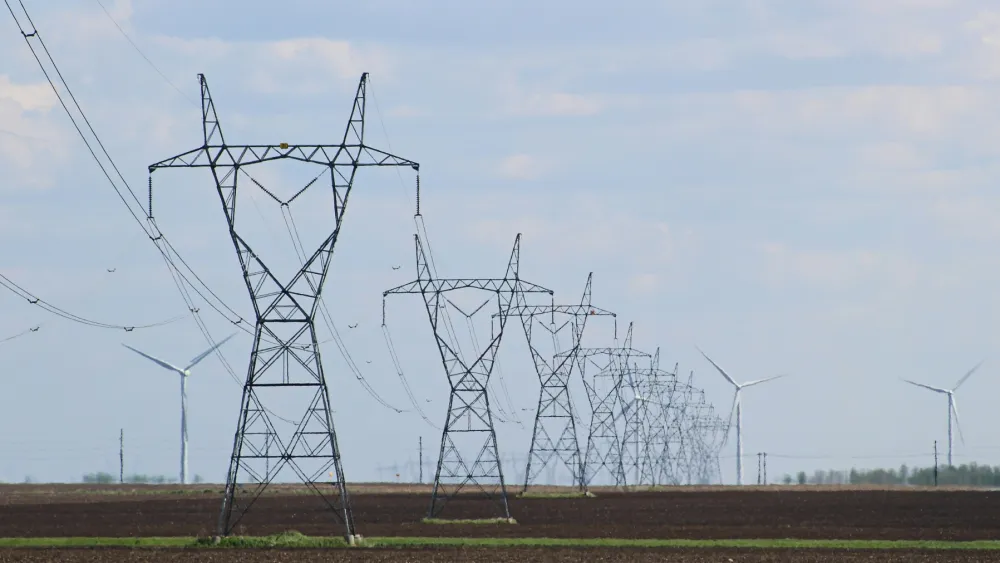
Solar farms in rural fields, wind turbines offshore, substations at the edge of urban areas and battery storage sites close to consumption centres. These critical infrastructures are now interconnected through digital systems, significantly increasing the attack surface.
Moreover, the convergence of IT (information technology) and OT (operational technology) within energy networks has created blurred lines between digital and physical security. As a result, utilities and energy providers are recognising the need for integrated security frameworks that can detect, analyse, and respond to hybrid threats in real time.
Transforming energy asset protection with smart video intelligence
Video surveillance, once primarily a ‘visibility’ tool, has evolved into a key component of proactive infrastructure security management in the energy sector. Through the integration of artificial intelligence (AI)-powered video analytics, energy operators can enhance the monitoring of large-scale, remote assets like solar farms and wind installations.
Unlike traditional systems that require constant manual oversight, AI-driven surveillance can analyse vast amounts of data in real-time, detecting potential threats and triggering automatic responses.
A case in point is Electricity Generating Authority of Thailand (EGAT), which deployed a surveillance system across six hydropower plants. With more than 200 network cameras and centralised monitoring, EGAT has reduced labour costs by 35% and significantly improved safety, enabling remote surveillance of water levels and quick response to emergencies.
It has also been able to mitigate life-threatening incidents, such as past cases where fishermen capsized and drowned due to sudden dam releases.
AI systems proactively identify unusual activity, such as unauthorised access or equipment malfunctions before they cause disruptions. Extending into grid substations, advanced video intelligence alerts operators to critical environmental changes such as overheating transformers or potential system overloads that could result in power outages.
By integrating video feeds with sensor data, these AI-powered solutions provide a comprehensive, real-time overview of both operational health and security, ensuring energy assets remain safe and resilient.
AI, IoT and edge computing: Powering resilient energy systems
The convergence of edge computing, IoT, and AI is creating smarter, more resilient energy ecosystems. Local processing via edge computing reduces latency for geographically dispersed assets, reducing reliance on the central system.
Meanwhile, IoT sensors continuously monitor operational parameters, and AI algorithms analyse data in real time, detecting equipment wear and tear, or cyber intrusions. Together, these technologies enhance asset protection, optimise performance, and accelerate progress towards sustainability goals.
Towards a resilient, future-ready energy sector
The path to a sustainable energy future in Asia hinges on how much clean power is generated, and how securely and intelligently it is delivered. The energy infrastructure today is more complex and interconnected.
Security strategies, therefore, must evolve in parallel, leveraging technologies like video intelligence to ensure visibility, responsiveness and resilience.
In many parts of Asia, where energy infrastructure is being built or overhauled from the ground up, there is a unique opportunity to embed security and intelligence into the foundation.
Governments and utilities can leapfrog legacy limitations by adopting integrated platforms that support scalability, interoperability, and remote management that are essential for future-proofing the grid.
The shift to renewable and digital infrastructure in Asia demands a proactive, intelligent approach to protecting the green grid.















 Read Here
 Advertise
 Sign Up